

What's inside
What's inside
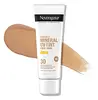 Key Ingredients
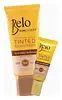
Benefits
Concerns
Ingredients Side-by-side
Titanium Dioxide
Cosmetic Colorant

Zinc Oxide
Cosmetic Colorant
Water
Skin ConditioningIsohexadecane
EmollientDicaprylyl Carbonate
EmollientDimethicone
Emollient

Isopropyl Palmitate
Emollient


Isononyl Isononanoate
EmollientCetyl PEG/PPG-10/1 Dimethicone
Emulsifying
C12-15 Alkyl Benzoate
AntimicrobialSodium Chloride
MaskingPolyhydroxystearic Acid
Emulsifying
Tocopheryl Acetate
Antioxidant


Triethoxycaprylylsilane
Sorbitan Sesquioleate
Emulsifying
Phenoxyethanol
Preservative
Ethylhexylglycerin
Skin ConditioningDimethiconol
Emollient
Aluminum Hydroxide
EmollientDimethicone Crosspolymer
Emulsion Stabilising
Stearic Acid
Cleansing
Xanthan Gum
EmulsifyingIron Oxides
Titanium Dioxide, Zinc Oxide, Water, Isohexadecane, Dicaprylyl Carbonate, Dimethicone, Isopropyl Palmitate, Isononyl Isononanoate, Cetyl PEG/PPG-10/1 Dimethicone, C12-15 Alkyl Benzoate, Sodium Chloride, Polyhydroxystearic Acid, Tocopheryl Acetate, Triethoxycaprylylsilane, Sorbitan Sesquioleate, Phenoxyethanol, Ethylhexylglycerin, Dimethiconol, Aluminum Hydroxide, Dimethicone Crosspolymer, Stearic Acid, Xanthan Gum, Iron Oxides
Water
Skin ConditioningEthylhexyl Methoxycinnamate
UV Absorber
Titanium Dioxide
Cosmetic Colorant
Aluminum Hydroxide
EmollientLauroyl Lysine
Skin Conditioning
Cyclotetrasiloxane
Emollient
Cyclopentasiloxane
Emollient
Butylene Glycol
Humectant
Bee Venom
Astringent
Dimethicone/Methicone Copolymer
Dimethicone
Emollient
Cetearyl Dimethicone Crosspolymer
Polymethylsilsesquioxane
Niacinamide
Smoothing






Cetyl Alcohol
Emollient

Glyceryl Stearate
Emollient
Ceteareth-20
CleansingCeteareth-12
EmulsifyingCetearyl Alcohol
Emollient
Cetyl Palmitate
Emollient
Ethylhexyl Methoxycrylene
Skin Conditioning
Butyl Methoxydibenzoylmethane
UV Absorber
Hydrogenated Dimer Dilinoleyl/Dimethylcarbonate Copolymer
Emulsion StabilisingOctocrylene
UV Absorber
Butyrospermum Parkii Butter
Skin Conditioning
Sorbitan Palmitate
Emulsifying
Sorbitan Olivate
Emulsifying
Iron Oxides
Parfum
Masking


CI 77491
Cosmetic ColorantCI 77499
Cosmetic ColorantBenzyl Alcohol
Perfuming

Methylchloroisothiazolinone
Preservative
Methylisothiazolinone
Preservative
Bisabolol
Antioxidant
Citric Acid
Buffering
Tetrasodium EDTA
Benzylidene Dimethoxydimethylindanone
Skin ProtectingWater, Ethylhexyl Methoxycinnamate, Titanium Dioxide, Aluminum Hydroxide, Lauroyl Lysine, Cyclotetrasiloxane, Cyclopentasiloxane, Butylene Glycol, Bee Venom, Dimethicone/Methicone Copolymer, Dimethicone, Cetearyl Dimethicone Crosspolymer, Polymethylsilsesquioxane, Niacinamide, Cetyl Alcohol, Glyceryl Stearate, Ceteareth-20, Ceteareth-12, Cetearyl Alcohol, Cetyl Palmitate, Ethylhexyl Methoxycrylene, Butyl Methoxydibenzoylmethane, Hydrogenated Dimer Dilinoleyl/Dimethylcarbonate Copolymer, Octocrylene, Butyrospermum Parkii Butter, Sorbitan Palmitate, Sorbitan Olivate, Iron Oxides, Parfum, CI 77491, CI 77499, Benzyl Alcohol, Methylchloroisothiazolinone, Methylisothiazolinone, Bisabolol, Citric Acid, Tetrasodium EDTA, Benzylidene Dimethoxydimethylindanone
Reviews
Ingredients Explained
These ingredients are found in both products.
Ingredients higher up in an ingredient list are typically present in a larger amount.
Aluminum Hydroxide is a form of aluminum. It can be naturally found in nature as the mineral gibbsite. In cosmetics, Aluminum Hydroxide is used as a colorant, pH adjuster, and absorbent.
As a colorant, Aluminum Hydroxide may add opacity, or reduce the transparency. Aluminum hydroxide is contains both basic and acidic properties.
According to manufacturers, this ingredient is an emollient and humectant. This means it helps hydrate the skin.
In medicine, this ingredient is used to help relieve heartburn and help heal ulcers.
There is currently no credible scientific evidence linking aluminum hydroxide in cosmetics to increased cancer risk.
Major health organizations allow the use of aluminum hydroxide in personal care products and have not flagged it as a carcinogenic risk at typical usage levels.
Learn more about Aluminum HydroxideDimethicone is a type of synthetic silicone created from natural materials such as quartz. It is also known as polydimethylsiloxane.
What it does:
Dimethicone comes in different viscosities:
Depending on the viscosity, dimethicone has different properties.
Ingredients lists don't always show which type is used, so we recommend reaching out to the brand if you have questions about the viscosity.
This ingredient is unlikely to cause irritation because it does not get absorbed into skin. However, people with silicone allergies should be careful about using this ingredient.
Note: Dimethicone may contribute to pilling. This is because it is not oil or water soluble, so pilling may occur when layered with products. When mixed with heavy oils in a formula, the outcome is also quite greasy.
Learn more about DimethiconeTitanium dioxide is a mineral UV filter widely used in sunscreens and cosmetics.
It is one of only two UV filters officially classified as “mineral” by regulatory agencies, the other being zinc oxide.
Titanium dioxide provides broad-spectrum protection mostly in the UVB and UVAII range, with some protection in the UVAI range.
While its UVA protection isn’t as strong as zinc oxide’s, the difference is minor.
A common myth is that mineral UV filters reflect UV light. However, modern research shows titanium dioxide absorbs UV radiation like chemical filters (~95% absorption & 5% reflection).
Thanks to its non-irritating nature, titanium dioxide is suitable for sensitive, acne-prone, or redness-prone skin. It is unlikely to cause "eye sting" like other sunscreen ingredients.
A major drawback of this ingredient is its white cast and thick texture. This is why mineral sunscreens often leave a white cast and are less cosmetically elegant than chemical/hybrid sunscreens.
To improve white cast and spreadability, micronized or nano-sized titanium dioxide is often used.
There are ongoing concerns surrounding nano-titanium oxide's impact on marine ecosystems.
There is no conclusive evidence that any form of titanium oxide (or any other sunscreen ingredients) will cause harm to marine ecosystems or coral reefs. The science is still developing but many consumers are keeping a close eye on this issue.
Please note, many destinations have reef-safety sunscreen rules. For instance, the U.S. Virgin Islands advises all visitors to use non-nano mineral sunscreens.
Nano mineral sunscreens once raised safety concerns about absorption into skin.
Extensive research has shown that they do not penetrate healthy or damaged skin; they remain safely on the surface and the top layer of dead skin (stratum corneum).
You'll likely find titanium dioxide bundled with alumina, silica, or dimethicone. These ingredients help make titanium dioxide highly photostable; this prevents it from interacting with other formula components under UV light.
Learn more about Titanium DioxideWater. It's the most common cosmetic ingredient of all. You'll usually see it at the top of ingredient lists, meaning that it makes up the largest part of the product.
So why is it so popular? Water most often acts as a solvent - this means that it helps dissolve other ingredients into the formulation.
You'll also recognize water as that liquid we all need to stay alive. If you see this, drink a glass of water. Remember to stay hydrated!
Learn more about WaterThis ingredient is a combination of red, black, and yellow iron oxide pigments. This combination of colors is usually found in foundation, because it results in a "skin" color.
The EU typically uses CI numbers for colorants when applicable, such as CI 77489. In the US, iron oxides are regulated as color additives and "iron oxides" is the most commonly used name in US cosmetic practice.
A 2021 paper looked at skincare formulations containing iron oxides and found that they reduced transmission of blue light when measured optically. In simple terms, the pigment particles helped block or scatter part of the visible light spectrum in lab testing and the authors suggest this could translate into better protection against blue-light-related skin effects.
There is also clinical and experimental research showing that tinted products containing iron oxides can reduce visible light-induced pigmentation:
Please note, whether a product reduces visible or blue light depends on things like:
In the EU's CosIng database, iron oxides are only listed as a colorant. CosIng groups ingredients by their main cosmetic role, such as colorant, preservative, or UV filter.
Though studies say iron oxides can "attenuate blue light", they're describing an optical property and not an officially recognized cosmetic function.
So CosIng isn’t contradicting the research. It’s just classifying iron oxides by what they officially are: pigments that add color.
Learn more about Iron Oxides
