Neutrogena Healthy Skin Glow Perfector Pen Versus Kosas Revealer Super Creamy + Brightening Concealer

What's inside
What's inside
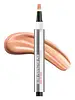 Key Ingredients
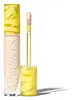
Benefits
Concerns
No concerns
Ingredients Side-by-side
Water
Skin ConditioningGlycerin
Humectant


Methyl Trimethicone
Skin Conditioning
Hydrogenated Polyisobutene
EmollientDimethicone
Emollient
Trimethylsiloxysilicate
Emollient
Butylene Glycol Dicaprylate/Dicaprate
EmollientPhenyl Trimethicone
Skin Conditioning
Pentylene Glycol
Skin Conditioning
Lauryl PEG-10 Tris(Trimethylsiloxy)Silylethyl Dimethicone
Emulsifying
Tocopheryl Acetate
Antioxidant


Isododecane
EmollientCetyl PEG/PPG-10/1 Dimethicone
Emulsifying
Polyphenylsilsesquioxane
Panthenol
Skin Conditioning

Magnesium Sulfate
Silica
Abrasive


Disteardimonium Hectorite
StabilisingDimethicone/Vinyl Dimethicone Crosspolymer
Skin Conditioning
Triethoxycaprylylsilane
Aluminum Hydroxide
EmollientCaprylyl Glycol
Emollient
Glyceryl Caprylate
EmollientTrisodium Ethylenediamine Disuccinate
ChelatingTitanium Dioxide
Cosmetic Colorant

Mica
Cosmetic ColorantIron Oxides
Water, Glycerin, Methyl Trimethicone, Hydrogenated Polyisobutene, Dimethicone, Trimethylsiloxysilicate, Butylene Glycol Dicaprylate/Dicaprate, Phenyl Trimethicone, Pentylene Glycol, Lauryl PEG-10 Tris(Trimethylsiloxy)Silylethyl Dimethicone, Tocopheryl Acetate, Isododecane, Cetyl PEG/PPG-10/1 Dimethicone, Polyphenylsilsesquioxane, Panthenol, Magnesium Sulfate, Silica, Disteardimonium Hectorite, Dimethicone/Vinyl Dimethicone Crosspolymer, Triethoxycaprylylsilane, Aluminum Hydroxide, Caprylyl Glycol, Glyceryl Caprylate, Trisodium Ethylenediamine Disuccinate, Titanium Dioxide, Mica, Iron Oxides
Water
Skin ConditioningCaprylic/Capric Triglyceride
Masking
Mica
Cosmetic ColorantOctyldodecanol
Emollient
Polyglyceryl-2 Dipolyhydroxystearate
Skin Conditioning

Ethylhexyl Olivate
Skin Conditioning
Undecane
EmollientGlycerin
Humectant
Polyhydroxystearic Acid
Emulsifying
Tridecane
Perfuming

Polyglyceryl-3 Diisostearate
Emulsifying


Galactoarabinan
Helianthus Annuus Seed Wax
Skin Conditioning
Arnica Montana Flower Extract
Masking
Caffeine
Skin Conditioning
Dunaliella Salina Extract
Skin ConditioningFoeniculum Vulgare Oil
Emollient
Glyceryl Oleate
Emollient
Helianthus Annuus Seed Oil
Emollient
Lecithin
Emollient
Maltodextrin
Absorbent
Palmitoyl Tripeptide-5
Skin Conditioning

Panthenol
Skin Conditioning
Rosmarinus Officinalis Extract
AntimicrobialSodium Hyaluronate
Humectant
Squalane
Emollient
Tocopherol
Antioxidant
Potassium Sorbate
Preservative
Sodium Benzoate
Masking
Water, Caprylic/Capric Triglyceride, Mica, Octyldodecanol, Polyglyceryl-2 Dipolyhydroxystearate, Ethylhexyl Olivate, Undecane, Glycerin, Polyhydroxystearic Acid, Tridecane, Polyglyceryl-3 Diisostearate, Galactoarabinan, Helianthus Annuus Seed Wax, Arnica Montana Flower Extract, Caffeine, Dunaliella Salina Extract, Foeniculum Vulgare Oil, Glyceryl Oleate, Helianthus Annuus Seed Oil, Lecithin, Maltodextrin, Palmitoyl Tripeptide-5, Panthenol, Rosmarinus Officinalis Extract, Sodium Hyaluronate, Squalane, Tocopherol, Potassium Sorbate, Sodium Benzoate
Reviews
Ingredients Explained
These ingredients are found in both products.
Ingredients higher up in an ingredient list are typically present in a larger amount.
Glycerin (or glycerol) is a compound naturally found in your skin. It's a powerhouse humectant that pulls water into the stratum corneum.
Topically, glycerin does several things at once:
Your skin makes glycerin on its own (mostly from sebaceous oil breakdown) and shuttles it to your outermost layer of skin, or your epidermis, via aquaporin-3.
Aquaporin-3 is a transporter that is essential for normal skin hydration, elasticity, and repair. Interestingly, mice lacking in AQP3 have dry and less elastic skin that can be fully corrected with glycerin.
This ingredient is non-irritating, plays well with almost every ingredient, and works across all skin types. Typical use is anywhere between 3-10% but can go up to 79% in some leave-on products.
Just know very high concentrations (>40%) can feel tacky in low humidity.
Glycerin is the name for this ingredient in American English. British English uses Glycerol/Glycerine.
Learn more about GlycerinMica is a naturally occurring mineral used to add shimmer and color in cosmetics. It can also help improve the texture of a product or give it an opaque, white/silver color.
Serecite is the name for very fine but ragged grains of mica.
This ingredient is often coated with metal oxides like titanium dioxide. Trace amounts of heavy metals may be found in mica, but these metals are not harmful in our personal products.
Mica has been used since prehistoric times throughout the world. Ancient Egyptian, Indian, Greek, Roman, Aztec, and Chinese civilizations have used mica.
Learn more about MicaPanthenol is a common ingredient that helps hydrate and soothe the skin. It is found naturally in our skin and hair.
There are two forms of panthenol: D and L.
D-panthenol is also known as dexpanthenol. Most cosmetics use dexpanthenol or a mixture of D and L-panthenol.
Panthenol is famous due to its ability to go deeper into the skin's layers. Using this ingredient has numerous pros (and no cons):
Like hyaluronic acid, panthenol is a humectant. Humectants are able to bind and hold large amounts of water to keep skin hydrated.
This ingredient works well for wound healing. It works by increasing tissue in the wound and helps close open wounds.
Once oxidized, panthenol converts to pantothenic acid. Panthothenic acid is found in all living cells.
This ingredient is also referred to as pro-vitamin B5.
Learn more about PanthenolWater. It's the most common cosmetic ingredient of all. You'll usually see it at the top of ingredient lists, meaning that it makes up the largest part of the product.
So why is it so popular? Water most often acts as a solvent - this means that it helps dissolve other ingredients into the formulation.
You'll also recognize water as that liquid we all need to stay alive. If you see this, drink a glass of water. Remember to stay hydrated!
Learn more about Water

