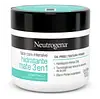
This oil-control moisturizer is formulated around Butyrospermum Parkii Butter and Aluminum Starch Octenylsuccinate to balance excess oil and hydrate skin.
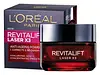
This anti-aging day moisturizer is formulated around Adenosine and Hydrolyzed Hyaluronic Acid to soften the look of wrinkles.


What's inside
What's inside
 Key Ingredients
No key ingredients
Benefits
Concerns
Ingredients Side-by-side

Water
Skin ConditioningGlycerin
Humectant


Isohexadecane
EmollientHydroxypropyl Tetrahydropyrantriol
Skin ConditioningDimethicone
Emollient
Isopropyl Isostearate
Emollient




Aluminum Starch Octenylsuccinate
Absorbent
Propylene Glycol
Humectant
Nylon-12

Octyldodecanol
Emollient
Cetyl Alcohol
Emollient
Behenyl Alcohol
Emollient
Ammonium Polyacryloyldimethyl Taurate
Emulsion StabilisingC13-14 Isoparaffin
Emollient
PEG-100 Stearate
Surfactant
Stearic Acid
Cleansing
Stearyl Alcohol
Emollient
Triethanolamine
BufferingCetearyl Alcohol
Emollient
Cetearyl Glucoside
Emulsifying
Myristic Acid
Cleansing
Myristyl Alcohol
Emollient
Palmitic Acid
Emollient
Adenosine
Skin Conditioning

Disodium EDTA
Disodium Stearoyl Glutamate
CleansingHydrolyzed Hyaluronic Acid
Humectant
Capryloyl Salicylic Acid
Exfoliating



Laureth-7
EmulsifyingT-Butyl Alcohol
Perfuming



Polyacrylamide
Polyethylene
Abrasive
Methylparaben
Preservative

Phenoxyethanol
Preservative
CI 15985
Cosmetic ColorantCI 19140
Cosmetic ColorantLinalool
Perfuming

Isoeugenol
Perfuming
Limonene
Perfuming
Citronellol
Perfuming
Benzyl Alcohol
Perfuming
Parfum
Masking
Water, Glycerin, Isohexadecane, Hydroxypropyl Tetrahydropyrantriol, Dimethicone, Isopropyl Isostearate, Aluminum Starch Octenylsuccinate, Propylene Glycol, Nylon-12, Octyldodecanol, Cetyl Alcohol, Behenyl Alcohol, Ammonium Polyacryloyldimethyl Taurate, C13-14 Isoparaffin, PEG-100 Stearate, Stearic Acid, Stearyl Alcohol, Triethanolamine, Cetearyl Alcohol, Cetearyl Glucoside, Myristic Acid, Myristyl Alcohol, Palmitic Acid, Adenosine, Disodium EDTA, Disodium Stearoyl Glutamate, Hydrolyzed Hyaluronic Acid, Capryloyl Salicylic Acid, Laureth-7, T-Butyl Alcohol, Polyacrylamide, Polyethylene, Methylparaben, Phenoxyethanol, CI 15985, CI 19140, Linalool, Isoeugenol, Limonene, Citronellol, Benzyl Alcohol, Parfum
Reviews
Ingredients Explained
These ingredients are found in both products.
Ingredients higher up in an ingredient list are typically present in a larger amount.
Aluminum Starch Octenylsuccinate is a synthetic powder used as an absorbent, thickener, and anti-caking agent.
As an absorbent, it is great at mattifying skin by soaking up the oil. This is why you'll find it in a range of products from makeup to moisturizers.
This ingredient is considered a modified starch. Starch can also be found naturally in plants.
One study from 1991 found that 5% of this ingredient enhanced titanium dioxide SPF by as much as 40%. The study found 1% titanium dioxide had a 5.6 SPF and adding 5% of aluminum starch octenylsuccinate boosted it to an SPF of 8.1
Although “aluminum” in an ingredient name can raise red flags for some consumers, the form and usage context matter significantly. For typical topical applications, there is no substantial evidence of health risks - such as cancer, neurotoxicity, or systemic “aluminum overload.”
Learn more about Aluminum Starch OctenylsuccinateCetyl Alcohol is a fatty alcohol. Fatty Alcohols are most often used as an emollient or to thicken a product.
Its main roles are:
Though it has "alcohol" in the name, it is not related to denatured alcohol or ethyl alcohol.
The FDA allows products labeled "alcohol-free" to have fatty alcohols.
This ingredient may not be fungal acne safe. It is a primary fatty alcohol with a chain length above 12 carbons. A study from 2019 show Malassezia can feed on fatty alcohols in this range, so it may trigger fungal acne in those prone to it.
Learn more about Cetyl AlcoholDimethicone is a type of synthetic silicone created from natural materials such as quartz. It is also known as polydimethylsiloxane.
What it does:
Dimethicone comes in different viscosities:
Depending on the viscosity, dimethicone has different properties.
Ingredients lists don't always show which type is used, so we recommend reaching out to the brand if you have questions about the viscosity.
This ingredient is unlikely to cause irritation because it does not get absorbed into skin. However, people with silicone allergies should be careful about using this ingredient.
Note: Dimethicone may contribute to pilling. This is because it is not oil or water soluble, so pilling may occur when layered with products. When mixed with heavy oils in a formula, the outcome is also quite greasy.
Learn more about DimethiconeGlycerin (or glycerol) is a compound naturally found in your skin. It's a powerhouse humectant that pulls water into the stratum corneum.
Topically, glycerin does several things at once:
Your skin makes glycerin on its own (mostly from sebaceous oil breakdown) and shuttles it to your outermost layer of skin, or your epidermis, via aquaporin-3.
Aquaporin-3 is a transporter that is essential for normal skin hydration, elasticity, and repair. Interestingly, mice lacking in AQP3 have dry and less elastic skin that can be fully corrected with glycerin.
This ingredient is non-irritating, plays well with almost every ingredient, and works across all skin types. Typical use is anywhere between 3-10% but can go up to 79% in some leave-on products.
Just know very high concentrations (>40%) can feel tacky in low humidity.
Glycerin is the name for this ingredient in American English. British English uses Glycerol/Glycerine.
Learn more about GlycerinParfum is a catch-all term for an ingredient or more that is used to give a scent to products.
Also called "fragrance", this ingredient can be a blend of hundreds of chemicals or plant oils. This means every product with "fragrance" or "parfum" in the ingredients list is a different mixture.
For instance, Habanolide is a proprietary trade name for a specific aroma chemical. When used as a fragrance ingredient in cosmetics, most aroma chemicals fall under the broad labeling category of “FRAGRANCE” or “PARFUM” according to EU and US regulations.
The term 'parfum' or 'fragrance' is not regulated in many countries. In many cases, it is up to the brand to define this term.
For instance, many brands choose to label themselves as "fragrance-free" because they are not using synthetic fragrances. However, their products may still contain ingredients such as essential oils that are considered a fragrance by INCI standards.
One example is Calendula flower extract. Calendula is an essential oil that still imparts a scent or 'fragrance'.
Depending on the blend, the ingredients in the mixture can cause allergies and sensitivities on the skin. Some ingredients that are known EU allergens include linalool and citronellol.
Parfum can also be used to mask or cover an unpleasant scent.
The bottom line is: not all fragrances/parfum/ingredients are created equally. If you are worried about fragrances, we recommend taking a closer look at an ingredient. And of course, we always recommend speaking with a professional.
Learn more about Parfum

