

What's inside
What's inside
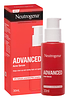 Key Ingredients
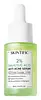
Benefits
Concerns
Ingredients Side-by-side
Water
Skin ConditioningGlycolic Acid
Buffering










Propylene Glycol
Humectant

Dimethicone
Emollient
Mandelic Acid
Antimicrobial
Gluconolactone
Skin Conditioning
Sodium Hydroxide
BufferingNeopentyl Glycol Diheptanoate
EmollientHydroxyethyl Acrylate/Sodium Acryloyldimethyl Taurate Copolymer
Emulsion StabilisingPolyacrylate Crosspolymer-6
Emulsion StabilisingSalicylic Acid
Masking


Dimethicone Crosspolymer
Emulsion Stabilising
Disodium EDTA
Dipropylene Glycol
HumectantEthyl Linalool
Masking
Methyldihydrojasmonate
MaskingMethyl Anthranilate
Masking3-Hexenol
Masking
Water, Glycolic Acid, Propylene Glycol, Dimethicone, Mandelic Acid, Gluconolactone, Sodium Hydroxide, Neopentyl Glycol Diheptanoate, Hydroxyethyl Acrylate/Sodium Acryloyldimethyl Taurate Copolymer, Polyacrylate Crosspolymer-6, Salicylic Acid, Dimethicone Crosspolymer, Disodium EDTA, Dipropylene Glycol, Ethyl Linalool, Methyldihydrojasmonate, Methyl Anthranilate, 3-Hexenol
Water
Skin ConditioningButylene Glycol
Humectant
Niacinamide
Smoothing


Glycerin
Humectant
PPG-10 Methyl Glucose Ether
Skin ConditioningPentylene Glycol
Skin Conditioning
1,2-Hexanediol
Skin Conditioning
Salicylic Acid
Masking
Acacia Senegal Gum
MaskingAcrylates/C10-30 Alkyl Acrylate Crosspolymer
Emulsion StabilisingTriethanolamine
BufferingMethylpropanediol
SolventEctoin
Skin Conditioning
Dipotassium Glycyrrhizate
Humectant
Ceramide AP
Skin Conditioning
Ceramide NP
Skin Conditioning
Ceramide Ns
Skin Conditioning
Ceramide Ng
Skin Conditioning
Centella Asiatica Extract
Cleansing
Disodium EDTA
Tartaric Acid
Buffering
Malic Acid
Buffering
Peumus Boldus Leaf Extract
MaskingPPG-26-Buteth-26
Skin ConditioningAllantoin
Skin Conditioning
O-Cymen-5-Ol
Antimicrobial
Ethylhexylglycerin
Skin ConditioningGlyceryl Caprylate
EmollientPEG-40 Hydrogenated Castor Oil
Emulsifying

Menthol
Masking

Caprylyl Glycol
Emollient
Xanthan Gum
EmulsifyingHydrolyzed Royal Jelly Protein
Skin ConditioningOligopeptide-1
Skin Conditioning
Sodium Hyaluronate
Humectant
Glycolipids
Skin ConditioningGlycosphingolipids
EmollientPropanediol
Solvent
Sodium Lactate
Buffering
Glycolic Acid
Buffering
Sucrose
Humectant
Urea
Buffering
Sodium Citrate
BufferingPhenoxyethanol
Preservative
Water, Butylene Glycol, Niacinamide, Glycerin, PPG-10 Methyl Glucose Ether, Pentylene Glycol, 1,2-Hexanediol, Salicylic Acid, Acacia Senegal Gum, Acrylates/C10-30 Alkyl Acrylate Crosspolymer, Triethanolamine, Methylpropanediol, Ectoin, Dipotassium Glycyrrhizate, Ceramide AP, Ceramide NP, Ceramide Ns, Ceramide Ng, Centella Asiatica Extract, Disodium EDTA, Tartaric Acid, Malic Acid, Peumus Boldus Leaf Extract, PPG-26-Buteth-26, Allantoin, O-Cymen-5-Ol, Ethylhexylglycerin, Glyceryl Caprylate, PEG-40 Hydrogenated Castor Oil, Menthol, Caprylyl Glycol, Xanthan Gum, Hydrolyzed Royal Jelly Protein, Oligopeptide-1, Sodium Hyaluronate, Glycolipids, Glycosphingolipids, Propanediol, Sodium Lactate, Glycolic Acid, Sucrose, Urea, Sodium Citrate, Phenoxyethanol
Reviews
Ingredients Explained
These ingredients are found in both products.
Ingredients higher up in an ingredient list are typically present in a larger amount.
Disodium EDTA is a chelating agent. It grabs onto and deactivates metal ions that sneak into your products from water, packaging, or air.
This ingredient mainly works behind the scenes and helps with:
On top of that, this ingredient can counteract the effects of hard water by binding to the minerals in it.
One thing worth knowing is that Disodium EDTA has been shown to be a mild penetration enhancer. It can help other ingredients absorb into skin more effectively which can be a double-edged sword (great for actives, but can also make the active too strong if you have sensitive skin).
Clinical patch testing showed no significant skin irritation at typical use concentrations and minimal dermal absorption.
You'll most likely see this ingredient near the end of an ingredient list. It's typically found in concentrations less than 1%.
Learn more about Disodium EDTAGlycolic Acid is arguably the most famous alpha hydroxy acid (AHA) with tons of research backing its benefits.
It is found naturally in sugar cane but the form used in skincare is usually synthetic for purity and stability.
Glycolic acid removes the top layer of dead skin cells to allow newer and fresher ones to emerge.
AHAs work by breaking down the structural “glue” that holds old skin cells in place. When that buildup is gone, your skin can renew itself more efficiently.
Research also shows glycolic acid stimulates collagen production, helping to firm and thicken the skin over time. This is one of its biggest advantages over other AHAs.
Overall, glycolic acid helps with:
Fun fact: Glycolic acid boosts skin hydration by helping it produce molecules that increase hyaluronic acid naturally.
To work best, glycolic acid products should have a pH between 3-4 (that’s where exfoliation is most effective but still gentle on skin).
The pH and concentration of a product are key to its effectiveness:
It is normal to feel a slight stinging sensation when using glycolic acid. This usually fades as your skin adjusts.
Because glycolic acid has the smallest molecular size in the AHA family, it can penetrate deeper, which enhances its effectiveness but also makes it more likely to irritate sensitive skin.
If your skin is very sensitive or prone to rosacea, glycolic acid may be too strong; in that case, try milder options like lactic acid or a PHA instead.
Recent studies suggest glycolic acid might even help protect against UV damage. But don’t skip sunscreen! Freshly exfoliated skin is more sensitive to the sun.
Glycolic acid is a skincare superstar. It smooths, brightens, hydrates, and firms the skin. Unless you’re highly sensitive, it’s well worth adding to your routine.
Read more about some other popular AHA's here:
Learn more about Glycolic AcidSalicylic Acid (also known as beta hydroxy acid or BHA) is a well-known ingredient for treating skin that struggles with acne and clogged pores. It exfoliates both the skin's surface and deep within the pores to help clear out buildup, control oil, and reduce inflammation.
Unlike AHAs (alpha hydroxy acids), salicylic acid is oil-soluble. This allows it to penetrate into pores which makes it especially effective for treating blackheads and preventing future breakouts.
Salicylic acid is also known for its soothing properties. It has a similar structure to aspirin and can calm inflamed or irritated skin, making it a good option for acne-prone skin that is also sensitive.
Concentrations of 0.5-2% are recognized by the U.S. FDA as an over-the-counter topical acne product.
It can cause irritation and/or dryness if one's skin already has a compromised moisture barrier, so it's best to focus on repairing that before introducing this ingredient into your routine.
While salicylic acid does not increase sun sensitivity, it’s still important to wear sunscreen daily to protect your skin.
If you are looking for the ingredient called BHA or Butylated Hydroxyanisole, click here.
Learn more about Salicylic AcidWater. It's the most common cosmetic ingredient of all. You'll usually see it at the top of ingredient lists, meaning that it makes up the largest part of the product.
So why is it so popular? Water most often acts as a solvent - this means that it helps dissolve other ingredients into the formulation.
You'll also recognize water as that liquid we all need to stay alive. If you see this, drink a glass of water. Remember to stay hydrated!
Learn more about Water
