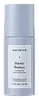
This barrier-repair serum is formulated around Squalane and Urea to strengthen the skin barrier and hydrate skin.
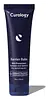
This barrier-repair moisturizer is formulated around Dimethicone and Petrolatum to strengthen the skin barrier and hydrate skin.

What's inside
What's inside
 Key Ingredients
Benefits
Concerns
Ingredients Side-by-side
Water
Skin ConditioningOctyldodecanol
Emollient
Squalane
Emollient


Shea Butter Ethyl Esters
Emollient

Polyglyceryl-4 Diisostearate/Polyhydroxystearate/Sebacate
Emulsifying
Propanediol
Solvent
C13-15 Alkane
SolventCrambe Abyssinica Seed Oil Phytosterol Esters
Emulsifying
Urea
Buffering

Glycerin
Humectant
Silica
Abrasive


Polyglyceryl-3 Polyricinoleate
Emulsifying
Sodium Chloride
MaskingSimmondsia Chinensis Seed Oil
Emollient
Silybum Marianum Seed Oil
Skin Conditioning
Ceramide NP
Skin Conditioning


Cholesterol
Emollient
Oleic Acid
Emollient


Blakeslea Trispora Mycelium Extract
Salicornia Herbacea Extract
Skin ConditioningSodium Hyaluronate
Humectant
Caprylic/Capric Triglyceride
Masking
Disteardimonium Hectorite
StabilisingPhytosphingosine
Skin Conditioning
Hydrogenated Poly(C6-14 Olefin)
EmollientBenzotriazolyl Dodecyl P-Cresol
UV AbsorberHydrogenated Lecithin
Emulsifying
Lactic Acid
Buffering



Butylene/Ethylene/Styrene Copolymer
Ethylene/Propylene/Styrene Copolymer
Stearic Acid
Cleansing
Sodium Hydroxide
BufferingCitric Acid
Buffering
Ethylhexylglycerin
Skin ConditioningPentaerythrityl Tetra-Di-T-Butyl Hydroxyhydrocinnamate
Antioxidant
Sodium Sulfate
Sodium Carbonate
BufferingTocopherol
Antioxidant
Caprylyl Glycol
Emollient
Caprylhydroxamic Acid
Chelating1,2-Hexanediol
Skin Conditioning
Phenoxyethanol
Preservative
CI 77742
Cosmetic ColorantWater, Octyldodecanol, Squalane, Shea Butter Ethyl Esters, Polyglyceryl-4 Diisostearate/Polyhydroxystearate/Sebacate, Propanediol, C13-15 Alkane, Crambe Abyssinica Seed Oil Phytosterol Esters, Urea, Glycerin, Silica, Polyglyceryl-3 Polyricinoleate, Sodium Chloride, Simmondsia Chinensis Seed Oil, Silybum Marianum Seed Oil, Ceramide NP, Cholesterol, Oleic Acid, Blakeslea Trispora Mycelium Extract, Salicornia Herbacea Extract, Sodium Hyaluronate, Caprylic/Capric Triglyceride, Disteardimonium Hectorite, Phytosphingosine, Hydrogenated Poly(C6-14 Olefin), Benzotriazolyl Dodecyl P-Cresol, Hydrogenated Lecithin, Lactic Acid, Butylene/Ethylene/Styrene Copolymer, Ethylene/Propylene/Styrene Copolymer, Stearic Acid, Sodium Hydroxide, Citric Acid, Ethylhexylglycerin, Pentaerythrityl Tetra-Di-T-Butyl Hydroxyhydrocinnamate, Sodium Sulfate, Sodium Carbonate, Tocopherol, Caprylyl Glycol, Caprylhydroxamic Acid, 1,2-Hexanediol, Phenoxyethanol, CI 77742



Reviews
Ingredients Explained
These ingredients are found in both products.
Ingredients higher up in an ingredient list are typically present in a larger amount.
Caprylic/Capric Triglyceride (aka MCT Oil) is a lightweight emollient, solvent, and texture enhancer. It is considered a skin-softener by helping to prevent moisture loss.
Though it behaves like an oil, it is not technically one due to its chemical composition. One perk of this ingredient is that it is very stable, resistant to oxidation, and unlikely to go rancid.
In practice, that translates to a long shelf life and a consistently elegant skin feel.
While there is an assumption Caprylic Triglyceride can clog pores due to it being derived from coconut oil, there is no research supporting this. Just patch test if you have concerns.
Fractionated coconut oil and MCT Oil are both listed as Caprylic/Capric Triglyceride according to INCI. This is because INCI names are based on the ingredient’s final chemical composition and not its marketing name or source.
This ingredient is treated as the gold standard fungal acne safe oil. Even though it is coconut derived, the problematic lauric acid is stripped out.
This leaves just caprylic (C8) and capric (C10) acid. These chain lengths actually trend antifungal; a 2020 study found caprylic acid was enough to disrupt Malassezia furfur cell membrane, with a caprylic acid derivative damaging membrane structures at concentrations as low as 0.2%.
Learn more about Caprylic/Capric TriglycerideSodium Hyaluronate is the salt form of hyaluronic acid. It is a long sugar chain that is naturally found in your skin, joints, and connective tissue that maintains hydration and elasticity.
In skincare, it works as a humectant. It pulls water from the environment and deeper layers of skin and binds it to the surface.
Interestingly, the size of the molecule affects its behavior:
Some clinical evidence links low molecular weight versions to improved wrinkle depth, elasticity, anti-inflammatory effects, and barrier repair.
Many serums use a blend of both weights so you can get surface hydration plus longer-lasting and deeper effects.
You'll typically see concentrations between 0.1-2% for this ingredient.
Learn more about Sodium HyaluronateWater. It's the most common cosmetic ingredient of all. You'll usually see it at the top of ingredient lists, meaning that it makes up the largest part of the product.
So why is it so popular? Water most often acts as a solvent - this means that it helps dissolve other ingredients into the formulation.
You'll also recognize water as that liquid we all need to stay alive. If you see this, drink a glass of water. Remember to stay hydrated!
Learn more about Water

