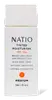
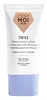
This sunscreen offers SPF 30 protection with a dewy, hydrating finish.


What's inside
What's inside
 Key Ingredients
Benefits
Concerns
Ingredients Side-by-side
Water
Skin ConditioningIsopropyl Palmitate
Emollient




Neopentyl Glycol Diheptanoate
EmollientOctocrylene
UV Absorber


Butyl Methoxydibenzoylmethane
UV Absorber
Ethylhexyl Triazone
UV Absorber
4-Methylbenzylidene Camphor
UV Absorber
Hydrated Silica
Abrasive
Stearic Acid
Cleansing
Cetearyl Alcohol
Emollient

Triethanolamine
BufferingPolyglyceryl-3 Diisostearate
Emulsifying
Aloe Barbadensis Leaf Juice
Skin Conditioning

Phenoxyethanol
Preservative
Xanthan Gum
EmulsifyingMagnesium Aluminum Silicate
Absorbent
Chamomilla Recutita Flower Extract
Masking
Terminalia Ferdinandiana Fruit Extract
Antioxidant
Camellia Sinensis Leaf Extract
Antimicrobial


Dimethicone
Emollient

Oenothera Biennis Oil
Emollient
Simmondsia Chinensis Seed Oil
Emollient
Tocopheryl Acetate
Antioxidant
Vitis Vinifera Seed Oil
Emollient
Methylparaben
Preservative
Parfum
Masking

Butylparaben
Masking
Ethylparaben
Preservative
Propylparaben
Preservative
Isobutylparaben
Antimicrobial
Tetrasodium EDTA
ChelatingCI 77891
Cosmetic ColorantIron Oxides
CI 77004
Cosmetic ColorantWater, Isopropyl Palmitate, Neopentyl Glycol Diheptanoate, Octocrylene, Butyl Methoxydibenzoylmethane, Ethylhexyl Triazone, 4-Methylbenzylidene Camphor, Hydrated Silica, Stearic Acid, Cetearyl Alcohol, Triethanolamine, Polyglyceryl-3 Diisostearate, Aloe Barbadensis Leaf Juice, Phenoxyethanol, Xanthan Gum, Magnesium Aluminum Silicate, Chamomilla Recutita Flower Extract, Terminalia Ferdinandiana Fruit Extract, Camellia Sinensis Leaf Extract, Dimethicone, Oenothera Biennis Oil, Simmondsia Chinensis Seed Oil, Tocopheryl Acetate, Vitis Vinifera Seed Oil, Methylparaben, Parfum, Butylparaben, Ethylparaben, Propylparaben, Isobutylparaben, Tetrasodium EDTA, CI 77891, Iron Oxides, CI 77004
Water
Skin ConditioningCoco-Caprylate
Emollient
Caprylic/Capric Triglyceride
Masking
Cetearyl Nonanoate
EmollientSqualane
Emollient
Shea Butter Ethyl Esters
Emollient
Beeswax
Emulsion Stabilising
Polyglyceryl-4 Diisostearate/Polyhydroxystearate/Sebacate
Emulsifying
Ricinus Communis Seed Oil
Masking
Glycerin
Humectant
Magnesium Sulfate
Silica
Abrasive
Hydrogenated Castor Oil
Emollient
Polyhydroxystearic Acid
Emulsifying
Phenoxyethanol
Preservative
Tocopherol
Antioxidant
Sodium Chloride
MaskingDecylene Glycol
Skin Conditioning1,2-Hexanediol
Skin Conditioning
Aloe Barbadensis Leaf Juice
Skin Conditioning
Morinda Citrifolia Seed Powder
Skin ConditioningSimmondsia Chinensis Seed Oil
Emollient
Iron Oxides
CI 77891
Cosmetic ColorantWater, Coco-Caprylate, Caprylic/Capric Triglyceride, Cetearyl Nonanoate, Squalane, Shea Butter Ethyl Esters, Beeswax, Polyglyceryl-4 Diisostearate/Polyhydroxystearate/Sebacate, Ricinus Communis Seed Oil, Glycerin, Magnesium Sulfate, Silica, Hydrogenated Castor Oil, Polyhydroxystearic Acid, Phenoxyethanol, Tocopherol, Sodium Chloride, Decylene Glycol, 1,2-Hexanediol, Aloe Barbadensis Leaf Juice, Morinda Citrifolia Seed Powder, Simmondsia Chinensis Seed Oil, Iron Oxides, CI 77891
Reviews
Ingredients Explained
These ingredients are found in both products.
Ingredients higher up in an ingredient list are typically present in a larger amount.
Aloe Barbadensis Leaf Juice is the filtered, stabilized liquid pressed from the inner gel of the aloe vera leaf.
In cosmetics, it shows up as either soothing active or a water-replacement base. It is roughly 98-99% water and the last 1-2% is an interesting mix of polysaccharides, amino acids, vitamins, minerals, and enzymes.
The polysaccharides do most of the work: they bind water at the skin surface for a light, non-greasy hydration boost. And one of the polysaccharides, glycomannan, is linked to fibroblast stimulation + collagen synthesis. This is also why aloe has such a long track record in wound and burn healing.
This ingredient is also calming with anti-inflammatory and mild antimicrobial activity, making it a great pick for sensitive, irritated, or post-sun skin.
Realistic expectations matter though; the solid evidence is mostly limited to hydration, soothing, and wound support. Deeper claims about anti-aging or sun protection are not well backed, and science reviews note it does not prevent radiation-induced skin injury.
Because it plays well with almost everything, it's commonly used as a base alongside other actives like niacinamide or vitamin C.
Typical usage concentrations range from 0.5% (where hydration benefits already show up) all the way to 90%+ (where it replaces water as the main base).
The safety for this ingredient is well-establish as well. Overall, this is a great supporting ingredient for those who want a boost in hydration.
Learn more about Aloe Barbadensis Leaf JuiceCi 77891 is a white pigment from Titanium dioxide. It is naturally found in minerals such as rutile and ilmenite.
It's main function is to add a white color to cosmetics. It can also be mixed with other colors to create different shades.
Ci 77891 is commonly found in sunscreens due to its ability to block UV rays.
Learn more about CI 77891Phenoxyethanol is one of the most widely used preservatives in skincare (and for good reason!).
It has a large spectrum of antimicrobial activity and especially effective bacteria, yeast, and mold while only having a weak effect on your skin's natural microbiome.
On a cellular level, it disrupts the cell membranes of microbes by poking holes that make the cell leak. This shuts down the chemical reactions the microbe needs to make energy so it can no longer survive.
Another perk of this ingredient is that it stays functional across a wide pH range (3-10).
You'll often see it paired with boosters like Ethylhexylglycerin; one study showed that a 1:9 ratio of Ethylhexylglycerin to Phenoxyethanol damages bacterial membranes as effectively as doubling the Phenoxyethanol concentration on its own.
Typical use concentrations range from 0.3-1% depending on the formula, and this ingredient is capped at 1% int the EU.
Safety-wise, the fear mongering does not hold up to the evidence. The EU's Scientific Committee on Consumer Safety and FDA consider it safe as a preservative at up to 1%, including for children of all ages.
Adverse systemic effects only showed up in animal studies at exposures roughly 200x higher than what people get from cosmetics. And despite its very widespread use, this ingredient is a rare sensitizer and allergic reactions are uncommon.
Learn more about PhenoxyethanolJojoba oil is one of the most well-studied plant-derived ingredients in cosmetics. It is an emollient with a special structure.
Because it is made up of 97-98% wax esters, it closely mirrors the linear monoesters found in human sebum. This makes it skin compatible, non-greasy, and lightweight.
Unlike other plant oils, jojoba wax doesn't easily penetrate skin. It mostly works in the uppermost layers as an emollient. This just means it forms a light barrier on the skin to help retain moisture.
Formulations with jojoba esters up to 90% reduced transepidermal water loss (TEWL) and increased barrier recovery by 81% (outperforming bisabolol at 47%).
Besides barrier support, the science also suggests jojoba to have anti-inflammatory effects and potential applications for skin infections, aging, and wound healing.
Fun fact: Indigenous cultures have used jojoba as a moisturizer and to help treat burns for centuries.
Fungal acne: The Malassezia yeast is known to metabolize fatty acids in the C11-24 range and jojoba's dominant fatty acid components fall into this range. This ingredient may not be fungal acne safe.
Learn more about Simmondsia Chinensis Seed OilWater. It's the most common cosmetic ingredient of all. You'll usually see it at the top of ingredient lists, meaning that it makes up the largest part of the product.
So why is it so popular? Water most often acts as a solvent - this means that it helps dissolve other ingredients into the formulation.
You'll also recognize water as that liquid we all need to stay alive. If you see this, drink a glass of water. Remember to stay hydrated!
Learn more about WaterThis ingredient is a combination of red, black, and yellow iron oxide pigments. This combination of colors is usually found in foundation, because it results in a "skin" color.
The EU typically uses CI numbers for colorants when applicable, such as CI 77489. In the US, iron oxides are regulated as color additives and "iron oxides" is the most commonly used name in US cosmetic practice.
A 2021 paper looked at skincare formulations containing iron oxides and found that they reduced transmission of blue light when measured optically. In simple terms, the pigment particles helped block or scatter part of the visible light spectrum in lab testing and the authors suggest this could translate into better protection against blue-light-related skin effects.
There is also clinical and experimental research showing that tinted products containing iron oxides can reduce visible light-induced pigmentation:
Please note, whether a product reduces visible or blue light depends on things like:
In the EU's CosIng database, iron oxides are only listed as a colorant. CosIng groups ingredients by their main cosmetic role, such as colorant, preservative, or UV filter.
Though studies say iron oxides can "attenuate blue light", they're describing an optical property and not an officially recognized cosmetic function.
So CosIng isn’t contradicting the research. It’s just classifying iron oxides by what they officially are: pigments that add color.
Learn more about Iron Oxides

