

What's inside
What's inside
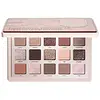 Key Ingredients
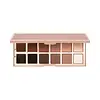
Benefits
Concerns
Ingredients Side-by-side
Calcium Aluminum Borosilicate
Mica
Cosmetic ColorantC30-45 Alkyl Dimethicone
Skin Conditioning
Stearyl Dimethicone
Emollient
Lauryl Dimethicone
Skin Conditioning
CI 77891
Cosmetic ColorantCellulose Acetate
CI 77491
Cosmetic ColorantSorbitan Isostearate
Emulsifying

CI 77499
Cosmetic ColorantPolysorbate 60
Emulsifying
Triacetin
AntimicrobialCaprylyl Glycol
Emollient
Ethylhexylglycerin
Skin ConditioningTin Oxide
Abrasive
CI 77492
Cosmetic ColorantWater
Skin ConditioningSilica
Abrasive

Zinc Stearate
Cosmetic ColorantCI 77000
Cosmetic ColorantPentaerythrityl Tetra-Di-T-Butyl Hydroxyhydrocinnamate
Antioxidant
Tocopherol
Antioxidant






Diisostearyl Malate
EmollientSynthetic Fluorphlogopite
Dimethicone
Emollient
Dicalcium Phosphate
Abrasive
Dimethicone/Vinyl Dimethicone Crosspolymer
Skin Conditioning
Hydrogenated Styrene/Isoprene Copolymer
Lauroyl Lysine
Skin Conditioning
Laureth-4
Emulsifying

CI 75470
Cosmetic ColorantTriethoxycaprylylsilane
Hdi/Trimethylol Hexyllactone Crosspolymer
Maltodextrin
Absorbent
CI 77007
Cosmetic ColorantTalc
Abrasive
Kaolin
Abrasive
Calcium Sodium Borosilicate
CI 19140
Cosmetic ColorantAlumina
Abrasive
Octyldodecyl Stearoyl Stearate
Emollient
CI 77163
Cosmetic Colorant
CI 77510
Cosmetic ColorantAluminum Calcium Sodium Silicate
Calcium Aluminum Borosilicate, Mica, C30-45 Alkyl Dimethicone, Stearyl Dimethicone, Lauryl Dimethicone, CI 77891, Cellulose Acetate, CI 77491, Sorbitan Isostearate, CI 77499, Polysorbate 60, Triacetin, Caprylyl Glycol, Ethylhexylglycerin, Tin Oxide, CI 77492, Water, Silica, Zinc Stearate, CI 77000, Pentaerythrityl Tetra-Di-T-Butyl Hydroxyhydrocinnamate, Tocopherol, Diisostearyl Malate, Synthetic Fluorphlogopite, Dimethicone, Dicalcium Phosphate, Dimethicone/Vinyl Dimethicone Crosspolymer, Hydrogenated Styrene/Isoprene Copolymer, Lauroyl Lysine, Laureth-4, CI 75470, Triethoxycaprylylsilane, Hdi/Trimethylol Hexyllactone Crosspolymer, Maltodextrin, CI 77007, Talc, Kaolin, Calcium Sodium Borosilicate, CI 19140, Alumina, Octyldodecyl Stearoyl Stearate, CI 77163, CI 77510, Aluminum Calcium Sodium Silicate
Pentaerythrityl Tetraisostearate
Emollient
PPG-3 Benzyl Ether Ethylhexanoate
EmollientC15-19 Alkane
SolventPolyethylene
Abrasive
Silica
Abrasive
Undecane
EmollientNylon-12

Isononyl Isononanoate
EmollientTridecane
Perfuming

Vp/Eicosene Copolymer
Polyglyceryl-2 Dipolyhydroxystearate
Skin Conditioning
Pentaerythrityl Tetra-Di-T-Butyl Hydroxyhydrocinnamate
Antioxidant
Polyglyceryl-3 Diisostearate
Emulsifying
Tocopherol
Antioxidant
Helianthus Annuus Seed Oil
Emollient
Iron Oxides
CI 77491
Cosmetic ColorantCI 77492
Cosmetic ColorantCI 77499
Cosmetic ColorantSynthetic Fluorphlogopite
Mica
Cosmetic ColorantCalcium Silicate
AbsorbentOctyldodecyl Stearoyl Stearate
Emollient
Polymethyl Methacrylate
Butyrospermum Parkii Butter
Skin Conditioning
Phenoxyethanol
Preservative
Octyldodecanol
Emollient
Glyceryl Triacetyl Ricinoleate
Emollient
Magnesium Myristate
Trimyristin
Skin Conditioning
Potassium Sorbate
Preservative
Caprylic/Capric Triglyceride
Masking
Hydrogenated Lecithin
Emulsifying
Polyurethane-79
CI 77891
Cosmetic ColorantCI 77007
Cosmetic ColorantCetyl Ethylhexanoate
EmollientRicinus Communis Seed Oil
Masking
Isostearyl Neopentanoate
Emollient
Hydrogenated Styrene/Methylstyrene/Indene Copolymer
Copernicia Cerifera Wax
Zinc Stearate
Cosmetic ColorantCI 77163
Cosmetic Colorant
Pentaerythrityl Tetraisostearate, PPG-3 Benzyl Ether Ethylhexanoate, C15-19 Alkane, Polyethylene, Silica, Undecane, Nylon-12, Isononyl Isononanoate, Tridecane, Vp/Eicosene Copolymer, Polyglyceryl-2 Dipolyhydroxystearate, Pentaerythrityl Tetra-Di-T-Butyl Hydroxyhydrocinnamate, Polyglyceryl-3 Diisostearate, Tocopherol, Helianthus Annuus Seed Oil, Iron Oxides, CI 77491, CI 77492, CI 77499, Synthetic Fluorphlogopite, Mica, Calcium Silicate, Octyldodecyl Stearoyl Stearate, Polymethyl Methacrylate, Butyrospermum Parkii Butter, Phenoxyethanol, Octyldodecanol, Glyceryl Triacetyl Ricinoleate, Magnesium Myristate, Trimyristin, Potassium Sorbate, Caprylic/Capric Triglyceride, Hydrogenated Lecithin, Polyurethane-79, CI 77891, CI 77007, Cetyl Ethylhexanoate, Ricinus Communis Seed Oil, Isostearyl Neopentanoate, Hydrogenated Styrene/Methylstyrene/Indene Copolymer, Copernicia Cerifera Wax, Zinc Stearate, CI 77163
Ingredients Explained
These ingredients are found in both products.
Ingredients higher up in an ingredient list are typically present in a larger amount.
This pigment is called Ultramarine blue lazurite. It gives a saturated blue color, but can be used to create other colors as well.
According to the manufacturer, it is usually made from kaolin, sodium sulfate, sodium carbonate, sulfur, and charcoal.
CI 77163 is the color-index name for Bismuth Oxychloride, a lab-made white powder that acts as a pearl pigment.
It's what gives a lot of pressed powders, eyeshadows, highlighteres, and mineral foundations that soft pearly glow.
Due to its structure as flat, plate-like crystals that stack like tiles, it feels silky and sticks to skin well. This also makes it very chemically stable and insoluble under normal skin conditions (this just means it sits on top of skin rather than going into it).
It has an interesting quirk: it slowly goes gray in sunlight and the graying is partly reversible in the dark.
At this time, there's no legal cap on how much a brand can use. Both the FDA and the EU permit it without restriction so real-world concentration levels come down to formulation:
Allergy risk is low as well since it's insoluble and doesn't release free metal ions into skin. True allergic contact dermatitis to it is rare enough that there's very little published cases.
However, mineral makeup users do report itching or stinging. The leading explanation for this is irritation from those stiff platelet crystals rubbing on skin (also more likely with heavy, high-percentage loose mineral powders) rather than an immune reaction.
This ingredient shows up on a lot of "pore-clogging" lists but there's no real evidence behind that. It doesn't even have a comedogenic rating from an actual study; the numbers you'll find online come from blogs citing other blogs.
Some people still find it breaks them out. So if that's you, definitely trust your skin.
Learn more about CI 77163Ci 77491 is also hydrated iron III oxide. It's sole purpose is to give a red/pink hue to products.
Iron III oxides are classified as inorganic chemicals for coloring.
Synthetically created Ci 77491 is considered safer than those naturally found. This is because the synthetically created version may contain less impurities. Iron oxides are generally non-toxic and non-allergenic.
Learn more about CI 77491CI 77492 is also hydrated iron III oxide. It's sole purpose is to give a yellow hue to products.
Iron III oxides are classified as inorganic chemicals for coloring.
Synthetically created CI 77492 is considered safer than those naturally found. This is because the synthetically created version may contain less impurities. Iron oxides are generally non-toxic and non-allergenic.
Learn more about CI 77492Ci 77499 is also hydrated iron III oxide. It is created from mixing red and black iron oxides. This helps give shades of darkness to a product.
Iron III oxides are classified as inorganic chemicals for coloring.
Ci 77891 is a white pigment from Titanium dioxide. It is naturally found in minerals such as rutile and ilmenite.
It's main function is to add a white color to cosmetics. It can also be mixed with other colors to create different shades.
Ci 77891 is commonly found in sunscreens due to its ability to block UV rays.
Learn more about CI 77891Mica is a naturally occurring mineral used to add shimmer and color in cosmetics. It can also help improve the texture of a product or give it an opaque, white/silver color.
Serecite is the name for very fine but ragged grains of mica.
This ingredient is often coated with metal oxides like titanium dioxide. Trace amounts of heavy metals may be found in mica, but these metals are not harmful in our personal products.
Mica has been used since prehistoric times throughout the world. Ancient Egyptian, Indian, Greek, Roman, Aztec, and Chinese civilizations have used mica.
Learn more about MicaOctyldodecyl Stearoyl Stearate is an emollient ester that mostly shows up in color cosmetics.
Functionally, it works as a skin-conditioning agent and a viscosity-increasing agent. This just means it helps soften skin while also thickening water-free formulas (like powders).
Despite being a "stearate", it has a lightweight, cushiony, and non-greasy slip.
This ingredient has shown no adverse effects in testing and is deemed safe in cosmetics at current use levels.
Typical concentrations range from 0.7-23%.
Because it is made of C-18 fatty acids (like stearic acid), this ingredient may not be fungal acne safe.
Learn more about Octyldodecyl Stearoyl StearatePentaerythrityl Tetra-Di-T-Butyl Hydroxyhydrocinnamate (long name, huh?) is a synthetic antioxidant.
It is used to help stabilize other antioxidants or prevent the color from changing in a product.
As an antioxidant, it helps fight free-radical molecules. Free-radical molecules are capable of damaging our cells and other genetic material. Thus, antioxidants may reduce the signs of aging.
This ingredient is oil-soluble.
Learn more about Pentaerythrityl Tetra-Di-T-Butyl HydroxyhydrocinnamateSilica, also known as silicon dioxide, is a naturally occurring mineral. It is used as a fine, spherical, and porous powder in cosmetics.
Though it has exfoliant properties, the function of silica varies depending on the product.
The unique structure of silica enhances the spreadability and adds smoothness, making it a great texture enhancer.
It is also used as an active carrier, emulsifier, and mattifier due to its ability to absorb excess oil.
In some products, tiny microneedles called spicules are made from silica or hydrolyzed sponge. When you rub them in, they lightly polish away dead skin layers and enhance the penetration of active ingredients.
Learn more about SilicaSynthetic Fluorphlogopite is the synthethic version of mica. It consists of fluorine, aluminum and silicate.
Synthetic Fluorphlogopite is used to add volume to products.
It is considered non-irritating on the skin.
Learn more about Synthetic FluorphlogopiteTocopherol is a fat-soluble antioxidant known as Vitamin E.
You'll find this ingredient in the vast majority of skincare (for good reason). It works to neutralize free radicals, or unstable molecules generated by UV exposure, pollution, and other environmental stressors, before they can cause oxidative damage to your skin cells.
Topically applied tocopherol has been shown to protect against UV damage by ramping up the skin's own natural defense enzymes.
It also acts as a skin conditioning agent; some studies show that regular topical use can improve the skin's water-binding capacity over 2-4 weeks.
This ingredient is especially loved for being a team player. When combined with Vitamin C, the photoprotective effect of both ingredients roughly doubles and the combo also helps reduce UV-induced DNA damage.
This ingredient has some brightening potential but it's more of a prevention ingredient than spot-fader. Cell studies show it can slow down melanin production but it's worth noting that it's not the most powerful brightener out there.
In formulations, it also serves as a stabilizer that helps protect other oxidation-prone ingredients from degrading.
Concentrations usually range from 0.1-1% in most leave-on products.
Learn more about TocopherolZinc Stearate is the metal salt of stearic acid. It is a white solid used to bind, thicken, and lubricate products.
This ingredient is common in powder makeup, where it helps keep the powder together.
Zinc Stearate is hydrophobic and repels water.
This ingredient can be sourced from non-animal or animal sources. It is best to reach out to the brand to see where they source this ingredient from.
Learn more about Zinc Stearate

