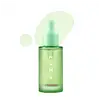
This acne serum is formulated around Salicylic Acid and Salix Alba Bark Extract to clear breakouts and balance excess oil.
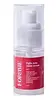
This acne serum is formulated around Niacinamide and Centella Asiatica Extract to clear breakouts and strengthen the skin barrier.

What's inside
What's inside
 Key Ingredients
Benefits
Concerns
Ingredients Side-by-side
Ocimum Basilicum Oil
Masking
Allantoin
Skin Conditioning




Salicylic Acid
Masking










Camellia Sinensis Leaf Water
Masking
Lactobacillus/Pear Juice Ferment Filtrate
Skin ConditioningSalix Alba Bark Extract
Astringent
Melia Azadirachta Leaf Extract
Skin ConditioningGlycine Soja Extract
Skin ConditioningScutellaria Baicalensis Root Extract
Astringent
Camellia Sinensis Leaf Oil
Antioxidant
Hamamelis Virginiana Water
Astringent
Glycerin
Humectant
Glycolic Acid
Buffering


Centella Asiatica Extract
Cleansing
Tocopherol
Antioxidant
Phellodendron Amurense Bark Extract
Skin ConditioningHouttuynia Cordata Extract
Skin Conditioning
Rehmannia Elata Root Extract
Skin ProtectingOcimum Basilicum Oil, Allantoin, Salicylic Acid, Camellia Sinensis Leaf Water, Lactobacillus/Pear Juice Ferment Filtrate, Salix Alba Bark Extract, Melia Azadirachta Leaf Extract, Glycine Soja Extract, Scutellaria Baicalensis Root Extract, Camellia Sinensis Leaf Oil, Hamamelis Virginiana Water, Glycerin, Glycolic Acid, Centella Asiatica Extract, Tocopherol, Phellodendron Amurense Bark Extract, Houttuynia Cordata Extract, Rehmannia Elata Root Extract
Niacinamide
Smoothing
Glycerin
Humectant
Squalane
Emollient
Centella Asiatica Extract
Cleansing
Salicylic Acid
Masking
Amylopectin
Dextrin
AbsorbentSodium Polyacryloyldimethyl Taurate
Emulsion StabilisingHexylresorcinol
Antimicrobial
Tranexamic Acid
Astringent
Ectoin
Skin Conditioning
Collagen
Moisturising
Calendula Officinalis Flower Extract
Masking
Phenoxyethanol
Preservative
Vitis Vinifera Seed Extract
Antimicrobial
Rosmarinus Officinalis Extract
AntimicrobialHydrogenated Polydecene
EmollientXanthan Gum
EmulsifyingSodium Lauroyl Lactylate
EmulsifyingSodium Hyaluronate
Humectant
Allantoin
Skin Conditioning
Trideceth-10
CleansingCeramide NP
Skin Conditioning
Ceramide AP
Skin Conditioning
Phytosphingosine
Skin Conditioning
Cholesterol
Emollient
Carbomer
Emulsion StabilisingEthylhexylglycerin
Skin ConditioningCeramide EOP
Skin Conditioning
Niacinamide, Glycerin, Squalane, Centella Asiatica Extract, Salicylic Acid, Amylopectin, Dextrin, Sodium Polyacryloyldimethyl Taurate, Hexylresorcinol, Tranexamic Acid, Ectoin, Collagen, Calendula Officinalis Flower Extract, Phenoxyethanol, Vitis Vinifera Seed Extract, Rosmarinus Officinalis Extract, Hydrogenated Polydecene, Xanthan Gum, Sodium Lauroyl Lactylate, Sodium Hyaluronate, Allantoin, Trideceth-10, Ceramide NP, Ceramide AP, Phytosphingosine, Cholesterol, Carbomer, Ethylhexylglycerin, Ceramide EOP
Reviews
Ingredients Explained
These ingredients are found in both products.
Ingredients higher up in an ingredient list are typically present in a larger amount.
Allantoin is a soothing ingredient known for its protective and moisturizing properties; it's basically a quiet workhorse ingredient you can find in a huge range of cosmetics.
Though it can be derived from the comfrey plant, allantoin is produced synthetically for cosmetic products to ensure purity.
Research shows it can encourage your skin cells to turn over and renew by stimulating keratinocyte and fibroblast proliferation.
It also has mild keratolytic properties to help loosen and shed dead skin cells without being harsh.
Studies also suggest allantoin can help calm inflammation by dialing down some of the chemical signals your skin sends out when it is irritated.
This ingredient is typically used in the 0.1-0.5% range, and the FDA recognizes it as a skin protectant in OTC products up to 2%.
Overall, allantoin is a wonderful addition to most routines; it is stable across a wide pH range (~4-8), works well with other ingredients, and is considered non-sensitizing/non-irritating.
Fun fact: Allantoin is naturally occurring in comfrey root, beets, chamomile, and wheat sprouts. Our bodies even produce it as a byproduct of uric acid metabolism.
Learn more about AllantoinCentella Asiatica Extract (Centella) is one of the most researched botanical extracts in skincare with decades of studies backing its effects on inflammation, collagen, and the skin barrier.
That research keeps pointing back to the same four triterpenoid saponins: Asiaticoside, Madecassoside, Asiatic Acid, and Madecassic Acid.
These compounds allow centella to dial back inflammation, encourage the skin to build and hold onto collagen, support the barrier and hydration, and bring solid antioxidant activity to protect against signs of aging.
Centella also carries a nice supporting cast of Vitamin A, vitamin C, several B vitamins, and amino acids. Put it all together and you get an ingredient that soothes, hydrates, and protects, all at once.
Most of centella's magic comes from the four big compounds (Asiaticoside, Madecassoside, Asiatic Acid, and Madecassic Acid). These are the actives doing the heavy lifting in almost every centella study.
Here is the short version of what they do in the skin:
So it is not just soothing for the sake of soothing. Centella calms the skin AND helps it rebuild.
Just FYI, not all centella on an ingredient list is the same. What you are getting actually depends on the extract:
Fun fact on the ratios: the leaves tend to be richest in Madecassoside and Asiaticoside, and lower in the two acids. The exact amounts shift with where the plant is grown and how it is processed. This means purity really does vary brand to brand.
Centella is one of the most easygoing actives out there.
It layers well with basically everything: niacinamide, hyaluronic acid, peptides, and vitamin C, and also pairs nicely with stronger actives like retinoids and exfoliating acids where it can help take the edge off irritation.
On the safety side, centella and its triterpenes are classified as weak sensitizers, meaning allergic reactions are possible but uncommon.
Patch tests at 1% and 5% came back negative in test panels, and creams at typical use levels did not cause allergic reactions across large groups of people.
But as with any new active, a patch test is still a smart move for very reactive skin.
Centella is widely used because it is effective at low percentages. For context, human safety testing found no meaningful irritation from creams containing centella extract at everyday use levels (the tested amounts were well under 1%).
The irritancy threshold in animal testing was also above 30% (so real-world formulas sit far below anything concerning).
In collagen lab studies, higher concentrations drove more collagen synthesis, so serums built around centella tend to feature it more prominently.
Bottom line: you will find centella working nicely anywhere from a fraction of a percent up to hero-ingredient levels depending on whether it is a supporting soother or the main event.
Fun fact: Centella has been used as a medicine and in food for many centuries. As a medicine, it is used to treat burns, scratches, and wounds.
Learn more about Centella Asiatica ExtractGlycerin (or glycerol) is a compound naturally found in your skin. It's a powerhouse humectant that pulls water into the stratum corneum.
Topically, glycerin does several things at once:
Your skin makes glycerin on its own (mostly from sebaceous oil breakdown) and shuttles it to your outermost layer of skin, or your epidermis, via aquaporin-3.
Aquaporin-3 is a transporter that is essential for normal skin hydration, elasticity, and repair. Interestingly, mice lacking in AQP3 have dry and less elastic skin that can be fully corrected with glycerin.
This ingredient is non-irritating, plays well with almost every ingredient, and works across all skin types. Typical use is anywhere between 3-10% but can go up to 79% in some leave-on products.
Just know very high concentrations (>40%) can feel tacky in low humidity.
Glycerin is the name for this ingredient in American English. British English uses Glycerol/Glycerine.
Learn more about GlycerinSalicylic Acid (also known as beta hydroxy acid or BHA) is a well-known ingredient for treating skin that struggles with acne and clogged pores. It exfoliates both the skin's surface and deep within the pores to help clear out buildup, control oil, and reduce inflammation.
Unlike AHAs (alpha hydroxy acids), salicylic acid is oil-soluble. This allows it to penetrate into pores which makes it especially effective for treating blackheads and preventing future breakouts.
Salicylic acid is also known for its soothing properties. It has a similar structure to aspirin and can calm inflamed or irritated skin, making it a good option for acne-prone skin that is also sensitive.
Concentrations of 0.5-2% are recognized by the U.S. FDA as an over-the-counter topical acne product.
It can cause irritation and/or dryness if one's skin already has a compromised moisture barrier, so it's best to focus on repairing that before introducing this ingredient into your routine.
While salicylic acid does not increase sun sensitivity, it’s still important to wear sunscreen daily to protect your skin.
If you are looking for the ingredient called BHA or Butylated Hydroxyanisole, click here.
Learn more about Salicylic Acid

