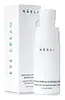
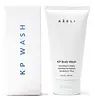
NAELI Apple Stem Cell Eye Cream - Dark Circles, Puffiness & Wrinkle Corrector Versus NAELI Sandalwood / Rose KP & Acne Exfoliating Body Wash
This anti-aging eye moisturizer is formulated around Hesperidin Methyl Chalcone and Palmitoyl Tetrapeptide-7 to soften the look of wrinkles and fade the look of dark spots.

What's inside
What's inside
 Key Ingredients
Benefits
Concerns
Ingredients Side-by-side
Water
Skin ConditioningAloe Barbadensis Leaf Juice
Skin Conditioning


Cetearyl Alcohol
Emollient






Glycerin
Humectant

Hesperidin Methyl Chalcone
Antioxidant
Steareth-20
CleansingDipeptide-2
Skin Conditioning

Palmitoyl Tetrapeptide-7
Skin Conditioning
Caprylic/Capric Triglyceride
Masking
Cetearyl Olivate
Sorbitan Olivate
Emulsifying
N-Hydroxysuccinimide
Skin ConditioningChrysin
Skin ConditioningPalmitoyl Tripeptide-1
Skin Conditioning
Dicaprylyl Carbonate
EmollientPropylene Glycol
Humectant
C12-15 Alkyl Benzoate
AntimicrobialSodium Ascorbyl Phosphate
Antioxidant


Cucumis Sativus Extract
Skin Conditioning
Camellia Sinensis Extract
Antioxidant
Tetrahexyldecyl Ascorbate
Antioxidant
Arnica Montana Flower Extract
Masking
Fucus Vesiculosus Extract
Emollient
Vaccinium Uliginosum Berry Extract
Skin ConditioningMalus Domestica Fruit Cell Culture Extract
Skin ConditioningTocopheryl Acetate
Antioxidant
Thioctic Acid
Antioxidant
Superoxide Dismutase
Antioxidant
Hydrolyzed Oat Protein
Skin ConditioningCeramide Ng
Skin Conditioning
Persea Gratissima Oil
Skin Conditioning
Carbomer
Emulsion StabilisingHydroxyethyl Acrylate/Sodium Acryloyldimethyl Taurate Copolymer
Emulsion StabilisingPolysorbate 20
Emulsifying
Xanthan Gum
EmulsifyingMorus Alba Extract
AstringentMedicago Sativa Extract
TonicPhytonadione Epoxide
AstringentUbiquinone
Antioxidant
Phenoxyethanol
Preservative
Caprylyl Glycol
Emollient
Water, Aloe Barbadensis Leaf Juice, Cetearyl Alcohol, Glycerin, Hesperidin Methyl Chalcone, Steareth-20, Dipeptide-2, Palmitoyl Tetrapeptide-7, Caprylic/Capric Triglyceride, Cetearyl Olivate, Sorbitan Olivate, N-Hydroxysuccinimide, Chrysin, Palmitoyl Tripeptide-1, Dicaprylyl Carbonate, Propylene Glycol, C12-15 Alkyl Benzoate, Sodium Ascorbyl Phosphate, Cucumis Sativus Extract, Camellia Sinensis Extract, Tetrahexyldecyl Ascorbate, Arnica Montana Flower Extract, Fucus Vesiculosus Extract, Vaccinium Uliginosum Berry Extract, Malus Domestica Fruit Cell Culture Extract, Tocopheryl Acetate, Thioctic Acid, Superoxide Dismutase, Hydrolyzed Oat Protein, Ceramide Ng, Persea Gratissima Oil, Carbomer, Hydroxyethyl Acrylate/Sodium Acryloyldimethyl Taurate Copolymer, Polysorbate 20, Xanthan Gum, Morus Alba Extract, Medicago Sativa Extract, Phytonadione Epoxide, Ubiquinone, Phenoxyethanol, Caprylyl Glycol
Water
Skin ConditioningAloe Barbadensis Leaf Juice
Skin Conditioning
Cocamidopropyl Betaine
Cleansing
Sodium C14-16 Olefin Sulfonate
Cleansing
Glycolic Acid
Buffering




Acrylates Copolymer
Sodium Hydroxide
BufferingSalicylic Acid
Masking

Urea
Buffering
Allantoin
Skin Conditioning
Butylene Glycol
Humectant
Tocopheryl Acetate
Antioxidant
Passiflora Edulis Seed Powder
Abrasive
Passiflora Incarnata Seed Powder
Abrasive
Hyaluronic Acid
Humectant
Ascorbic Acid
Antioxidant
Persea Gratissima Oil
Skin Conditioning
Calendula Officinalis Extract
Skin Conditioning
Camellia Sinensis Extract
Antioxidant
Lactic Acid
Buffering
Punica Granatum Extract
AstringentChamomilla Recutita Extract
Skin Conditioning
Rosa Damascena Extract
MaskingColloidal Oatmeal
Absorbent
Glycerin
Humectant
Saccharide Isomerate
Humectant
Fucus Vesiculosus Extract
Emollient
Arctostaphylos Uva Ursi Leaf Extract
Skin Conditioning
Parfum
Masking
Glyceryl Caprylate
EmollientGlyceryl Undecylenate
Emollient
Water, Aloe Barbadensis Leaf Juice, Cocamidopropyl Betaine, Sodium C14-16 Olefin Sulfonate, Glycolic Acid, Acrylates Copolymer, Sodium Hydroxide, Salicylic Acid, Urea, Allantoin, Butylene Glycol, Tocopheryl Acetate, Passiflora Edulis Seed Powder, Passiflora Incarnata Seed Powder, Hyaluronic Acid, Ascorbic Acid, Persea Gratissima Oil, Calendula Officinalis Extract, Camellia Sinensis Extract, Lactic Acid, Punica Granatum Extract, Chamomilla Recutita Extract, Rosa Damascena Extract, Colloidal Oatmeal, Glycerin, Saccharide Isomerate, Fucus Vesiculosus Extract, Arctostaphylos Uva Ursi Leaf Extract, Parfum, Glyceryl Caprylate, Glyceryl Undecylenate
Ingredients Explained
These ingredients are found in both products.
Ingredients higher up in an ingredient list are typically present in a larger amount.
Aloe Barbadensis Leaf Juice is the filtered, stabilized liquid pressed from the inner gel of the aloe vera leaf.
In cosmetics, it shows up as either soothing active or a water-replacement base. It is roughly 98-99% water and the last 1-2% is an interesting mix of polysaccharides, amino acids, vitamins, minerals, and enzymes.
The polysaccharides do most of the work: they bind water at the skin surface for a light, non-greasy hydration boost. And one of the polysaccharides, glycomannan, is linked to fibroblast stimulation + collagen synthesis. This is also why aloe has such a long track record in wound and burn healing.
This ingredient is also calming with anti-inflammatory and mild antimicrobial activity, making it a great pick for sensitive, irritated, or post-sun skin.
Realistic expectations matter though; the solid evidence is mostly limited to hydration, soothing, and wound support. Deeper claims about anti-aging or sun protection are not well backed, and science reviews note it does not prevent radiation-induced skin injury.
Because it plays well with almost everything, it's commonly used as a base alongside other actives like niacinamide or vitamin C.
Typical usage concentrations range from 0.5% (where hydration benefits already show up) all the way to 90%+ (where it replaces water as the main base).
The safety for this ingredient is well-establish as well. Overall, this is a great supporting ingredient for those who want a boost in hydration.
Learn more about Aloe Barbadensis Leaf JuiceCamellia Sinensis Extract is from the oil in tea plant leaves. The leaves give us various types of tea: green, black, oolong, and white.
Camellia Sinensis leaves have many benefits. It contains polyphenols, a strong antioxidant. Antioxidants help fight off free-radical molecules that damage skin cells. The antioxidants in green tea neutralize free-radicals from the sun. This gives the skin some extra UV protection, but should not replace sunscreen.
Many components of tea have anti-inflammatory and antimicrobial properties. Polyphenols and L-theanine help soothe the skin and reduce irritation. L-theanine is an amino acid that makes up most of the amino acids found in tea leaves. The caffeine in Camellia Sinensis Leaf Extract helps calm inflamed blood vessels.
Tea leaves also contain Vitamin Bs, linoleic acid, magnesium, calcium, iron, and zinc.
Research has shown both drinking Camellia Sinensis Leaf Tea and applying it to the skin can help boost skin elasticity and hydration. Studies also show using tea extract may reduce sebum, or oil, production.
Learn more about Camellia Sinensis ExtractFucus Vesiculosus Extract is derived from a type of brown algae.
Algae is an informal term for a group of aquatic organisms that can photosynthesize. It is estimated there are at least 30,000 types of Algae.
Fucus Vesiculosus Extract contains antioxidants. Antioxidants help fight free-radicals. Free-radicals are molecules that may damage your skin cells, such as pollution.
Fucus Vesiculosus Extract is also rich in sodium, potassium, and amino acids.
Many different types of algae have different benefits.
Learn more about Fucus Vesiculosus ExtractGlycerin (or glycerol) is a compound naturally found in your skin. It's a powerhouse humectant that pulls water into the stratum corneum.
Topically, glycerin does several things at once:
Your skin makes glycerin on its own (mostly from sebaceous oil breakdown) and shuttles it to your outermost layer of skin, or your epidermis, via aquaporin-3.
Aquaporin-3 is a transporter that is essential for normal skin hydration, elasticity, and repair. Interestingly, mice lacking in AQP3 have dry and less elastic skin that can be fully corrected with glycerin.
This ingredient is non-irritating, plays well with almost every ingredient, and works across all skin types. Typical use is anywhere between 3-10% but can go up to 79% in some leave-on products.
Just know very high concentrations (>40%) can feel tacky in low humidity.
Glycerin is the name for this ingredient in American English. British English uses Glycerol/Glycerine.
Learn more about GlycerinThis ingredient is also known as Avocado oil. It's the cold-pressed oil from the flesh of the avocado fruit packed with fatty acids (mostly oleic acid).
The rich fatty acid profile allows it to function as a skin conditioning agent and emollient; it helps soften and smooth skin while reducing water loss.
Preclinical research has found that topical avocado oil increased collagen synthesis and reduced inflammation during wound healing, giving it some skin-repairing credibility.
The unsaponifiable fraction of the oil is also interesting: studies on avocado unsaponifiables showed that it helped skin produce more collagen and other structural compounds that support healing.
The CIR Expert Panel has found this ingredient to be non-irritating in formulations.
This ingredient may not be fungal acne safe. This is because the oleic acid content falls within the range that Malassezia can use as a food source.
This ingredient does have a comedogenic rating of 0-3, but this doesn't mean a formula with this ingredient will clog pores. Human testing has proved that any finished product with a comedogenic ingredient won't automatically make you break out; it really comes down to concentration, formula, and your skin.
Learn more about Persea Gratissima OilTocopheryl Acetate is a stable, shelf-friendly form of vitamin E.
Formulators love it because plain vitamin E oxidizes quickly once it hits air. This acetate version stays stable and resists going off, helping to extend a product's shelf life.
It's actually inactive on its own and works like a slow-release "storage" form; the enzymes in your skin called esterases gradually convert it into active vitamin E over time.
One in vivo study showed 5% of the acetate in the living layer of the epidermis converted to vitamin E after 5 days of application. This study also found the skin gained protection against UV damage even though the conversion was slow and small.
Once converted, vitamin E acts as a skin's main fat-soluble antioxidant that fights free radicals to protect skin from damage.
Topical vitamin E generally boosts the skin's photoprotection, and it reduced UV-damage in animal models.
This ingredient has some brightening potential but it's more of a prevention ingredient than spot-fader. Cell studies show it can slow down melanin production but it's worth noting that it's not the most powerful brightener out there.
Overall, it has a pretty solid safety profile and has been found to be non-irritating and non-comedogenic. Allergic reactions may happen but stay rare due to how widely the ingredient gets used.
The concentration will vary depending on the formula; industry data shows 0.1% in baby lotions, 3% in lipsticks, and 5% in foot powders. You can also find this ingredient at 100% in a pure vitamin E oil.
Most leave-on skincare keeps it at the lower end, often between 0.5-1%.
Learn more about Tocopheryl AcetateWater. It's the most common cosmetic ingredient of all. You'll usually see it at the top of ingredient lists, meaning that it makes up the largest part of the product.
So why is it so popular? Water most often acts as a solvent - this means that it helps dissolve other ingredients into the formulation.
You'll also recognize water as that liquid we all need to stay alive. If you see this, drink a glass of water. Remember to stay hydrated!
Learn more about Water

