
What's inside
What's inside
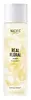 Key Ingredients
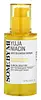
Benefits
Concerns
Ingredients Side-by-side
Calendula Officinalis Flower Extract
Masking


Cymbopogon Schoenanthus Extract
Skin ConditioningZanthoxylum Piperitum Fruit Extract
Skin ConditioningCalendula Officinalis Flower
Skin Conditioning
Allantoin
Skin Conditioning


Mentha Piperita Leaf Extract
Skin ConditioningStearic Acid
Cleansing

Selaginella Lepidophylla Extract
EmollientCentella Asiatica Extract
Cleansing

Rosmarinus Officinalis Extract
AntimicrobialChrysanthellum Indicum Extract
Skin Conditioning
Calendula Officinalis Flower Water
Masking
Dipotassium Glycyrrhizate
Humectant
Hydroxyacetophenone
Antioxidant
Melaleuca Alternifolia Leaf Extract
Perfuming
Butylene Glycol
Humectant
1,2-Hexanediol
Skin Conditioning
Sodium Hyaluronate
Humectant
Propanediol
Solvent
Lavandula Angustifolia Flower Extract
Cleansing

Chamomilla Recutita Flower Extract
Masking
Disodium EDTA
Dipropylene Glycol
HumectantCalendula Officinalis Flower Extract, Cymbopogon Schoenanthus Extract, Zanthoxylum Piperitum Fruit Extract, Calendula Officinalis Flower, Allantoin, Mentha Piperita Leaf Extract, Stearic Acid, Selaginella Lepidophylla Extract, Centella Asiatica Extract, Rosmarinus Officinalis Extract, Chrysanthellum Indicum Extract, Calendula Officinalis Flower Water, Dipotassium Glycyrrhizate, Hydroxyacetophenone, Melaleuca Alternifolia Leaf Extract, Butylene Glycol, 1,2-Hexanediol, Sodium Hyaluronate, Propanediol, Lavandula Angustifolia Flower Extract, Chamomilla Recutita Flower Extract, Disodium EDTA, Dipropylene Glycol
Citrus Junos Fruit Extract 83%
Skin ConditioningNiacinamide 10%
Smoothing





Caprylic/Capric Triglyceride
Masking
1,2-Hexanediol
Skin Conditioning
Hydrogenated Poly(C6-14 Olefin)
EmollientBisabolol
Antioxidant
Carbomer
Emulsion StabilisingBrassica Campestris Seed Oil
Skin Conditioning
Xanthan Gum
EmulsifyingEthylhexylglycerin
Skin ConditioningAdenosine
Skin Conditioning
Citrus Junos Peel Oil
Astringent
Melia Azadirachta Flower Extract
Skin ConditioningOcimum Sanctum Leaf Extract
Skin ConditioningGlycyrrhiza Glabra Root Extract
Bleaching
Polyglyceryl-3 Diisostearate
Emulsifying
Melia Azadirachta Leaf Extract
Skin ConditioningWater
Skin ConditioningCurcuma Longa Root Extract
Masking
Glycerin
Humectant
Butylene Glycol
Humectant
Althaea Officinalis Root Extract
Skin Conditioning
Oryza Sativa Bran Extract
Skin Conditioning
3-O-Ethyl Ascorbic Acid
Skin Conditioning
Hydrogenated Lecithin
Emulsifying
Ficus Carica Fruit Extract
Humectant
Punica Granatum Fruit Extract
Antioxidant
Morus Alba Fruit Extract
Antioxidant
Ginkgo Biloba Nut Extract
Skin ConditioningTocopherol
Antioxidant
Polyglyceryl-10 Stearate
Skin Conditioning
Panthenol
Skin Conditioning
Sodium Ascorbyl Phosphate
Antioxidant
Biotin
AntiseborrhoeicFolic Acid
Skin ConditioningPyridoxine
Skin ConditioningCyanocobalamin
Skin ConditioningLinoleic Acid
Cleansing
Riboflavin
Cosmetic ColorantBeta-Carotene
Skin ConditioningInositol
Humectant
Thiamine Hcl
MaskingDisodium EDTA
Limonene
Perfuming

Linalool
Perfuming
Citrus Junos Fruit Extract 83%, Niacinamide 10%, Caprylic/Capric Triglyceride, 1,2-Hexanediol, Hydrogenated Poly(C6-14 Olefin), Bisabolol, Carbomer, Brassica Campestris Seed Oil, Xanthan Gum, Ethylhexylglycerin, Adenosine, Citrus Junos Peel Oil, Melia Azadirachta Flower Extract, Ocimum Sanctum Leaf Extract, Glycyrrhiza Glabra Root Extract, Polyglyceryl-3 Diisostearate, Melia Azadirachta Leaf Extract, Water, Curcuma Longa Root Extract, Glycerin, Butylene Glycol, Althaea Officinalis Root Extract, Oryza Sativa Bran Extract, 3-O-Ethyl Ascorbic Acid, Hydrogenated Lecithin, Ficus Carica Fruit Extract, Punica Granatum Fruit Extract, Morus Alba Fruit Extract, Ginkgo Biloba Nut Extract, Tocopherol, Polyglyceryl-10 Stearate, Panthenol, Sodium Ascorbyl Phosphate, Biotin, Folic Acid, Pyridoxine, Cyanocobalamin, Linoleic Acid, Riboflavin, Beta-Carotene, Inositol, Thiamine Hcl, Disodium EDTA, Limonene, Linalool
Reviews
Ingredients Explained
These ingredients are found in both products.
Ingredients higher up in an ingredient list are typically present in a larger amount.
1,2-Hexanediol is a synthetic liquid and another multi-functional powerhouse.
It is a:
- Humectant, drawing moisture into the skin
- Emollient, helping to soften skin
- Solvent, dispersing and stabilizing formulas
- Preservative booster, enhancing the antimicrobial activity of other preservatives
Butylene Glycol (or BG) is used within cosmetic products for a few different reasons:
Overall, Butylene Glycol is a safe and well-rounded ingredient that works well with other ingredients.
Though this ingredient works well with most skin types, some people with sensitive skin may experience a reaction such as allergic rashes, closed comedones, or itchiness.
Learn more about Butylene GlycolDisodium EDTA is a chelating agent. It grabs onto and deactivates metal ions that sneak into your products from water, packaging, or air.
This ingredient mainly works behind the scenes and helps with:
On top of that, this ingredient can counteract the effects of hard water by binding to the minerals in it.
One thing worth knowing is that Disodium EDTA has been shown to be a mild penetration enhancer. It can help other ingredients absorb into skin more effectively which can be a double-edged sword (great for actives, but can also make the active too strong if you have sensitive skin).
Clinical patch testing showed no significant skin irritation at typical use concentrations and minimal dermal absorption.
You'll most likely see this ingredient near the end of an ingredient list. It's typically found in concentrations less than 1%.
Learn more about Disodium EDTA
