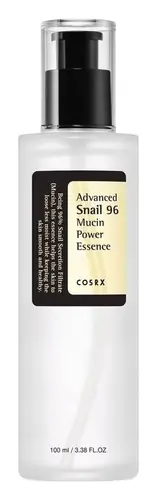
What's inside
What's inside
 Key Ingredients
Benefits
Concerns
Ingredients Side-by-side
Estriol 0.3%
Ascorbic Acid 1%
Antioxidant






Hyaluronic Acid 0.5%
Humectant


Aloe Barbadensis Leaf
Masking

Glycerin
Humectant
Sodium Bisulfate
BufferingBHT
Antioxidant
Acrylates/C12-22 Alkyl Methacrylate Copolymer
Aluminum Starch Octenylsuccinate
Absorbent
Bis-Vinyldimethicone/Bis-Isobutyl PPG-20 Crosspolymer
Emollient
Caprylic/Capric Triglyceride
Masking
Carthamus Tinctorius Seed Oil
Masking


Ceteth-20
CleansingCetyl Alcohol
Emollient
Cyclohexasiloxane
Emollient
Cyclopentasiloxane
Emollient
Dicaprylyl Ether
Emollient
Dimethicone
Emollient
Dimethyl Isosorbide
SolventDisteardimonium Hectorite
StabilisingGlyceryl Stearate
Emollient
Isodecyl Neopentanoate
EmollientIsododecane
EmollientIsopropyl Palmitate
Emollient


Laureth-12
EmulsifyingLecithin
Emollient
Ozokerite
Emulsion StabilisingPEG-75 Stearate
Surfactant
Petrolatum
Emollient
Polysilicone-11
Potassium Sorbate
Preservative
Propylene Carbonate
SolventSilica
Abrasive

Silica Silylate
Emollient
Sodium Lauryl Sulfoacetate
CleansingSorbic Acid
Preservative
Steareth-20
CleansingTitanium Dioxide
Cosmetic Colorant

Triethoxycaprylylsilane
Estriol 0.3%, Ascorbic Acid 1%, Hyaluronic Acid 0.5%, Aloe Barbadensis Leaf, Glycerin, Sodium Bisulfate, BHT, Acrylates/C12-22 Alkyl Methacrylate Copolymer, Aluminum Starch Octenylsuccinate, Bis-Vinyldimethicone/Bis-Isobutyl PPG-20 Crosspolymer, Caprylic/Capric Triglyceride, Carthamus Tinctorius Seed Oil, Ceteth-20, Cetyl Alcohol, Cyclohexasiloxane, Cyclopentasiloxane, Dicaprylyl Ether, Dimethicone, Dimethyl Isosorbide, Disteardimonium Hectorite, Glyceryl Stearate, Isodecyl Neopentanoate, Isododecane, Isopropyl Palmitate, Laureth-12, Lecithin, Ozokerite, PEG-75 Stearate, Petrolatum, Polysilicone-11, Potassium Sorbate, Propylene Carbonate, Silica, Silica Silylate, Sodium Lauryl Sulfoacetate, Sorbic Acid, Steareth-20, Titanium Dioxide, Triethoxycaprylylsilane
Water
Skin ConditioningCaprylic/Capric Triglyceride
Masking
Polyacrylamide
C13-14 Isoparaffin
Emollient
Laureth-7
EmulsifyingAlcohol Denat.
Antimicrobial

Phenoxyethanol
Preservative
Caprylyl Glycol
Emollient
Sorbic Acid
Preservative
Aloe Barbadensis Leaf Juice
Skin Conditioning
Tocopheryl Acetate
Antioxidant
Estriol
Cimicifuga Racemosa Root Extract
Antimicrobial
Angelica Polymorpha Sinensis Root Extract
Skin ConditioningGlycyrrhiza Glabra Root Extract
Bleaching
Trifolium Pratense Extract
Skin ConditioningDioscorea Villosa Root Extract
Skin Conditioning
Estradiol
Skin ConditioningGlycine Soja Extract
Skin ConditioningCitrus Grandis Seed Extract
Astringent
Water, Caprylic/Capric Triglyceride, Polyacrylamide, C13-14 Isoparaffin, Laureth-7, Alcohol Denat., Phenoxyethanol, Caprylyl Glycol, Sorbic Acid, Aloe Barbadensis Leaf Juice, Tocopheryl Acetate, Estriol, Cimicifuga Racemosa Root Extract, Angelica Polymorpha Sinensis Root Extract, Glycyrrhiza Glabra Root Extract, Trifolium Pratense Extract, Dioscorea Villosa Root Extract, Estradiol, Glycine Soja Extract, Citrus Grandis Seed Extract
Ingredients Explained
These ingredients are found in both products.
Ingredients higher up in an ingredient list are typically present in a larger amount.
Caprylic/Capric Triglyceride (aka MCT Oil) is a lightweight emollient, solvent, and texture enhancer. It is considered a skin-softener by helping to prevent moisture loss.
Though it behaves like an oil, it is not technically one due to its chemical composition. One perk of this ingredient is that it is very stable, resistant to oxidation, and unlikely to go rancid.
In practice, that translates to a long shelf life and a consistently elegant skin feel.
While there is an assumption Caprylic Triglyceride can clog pores due to it being derived from coconut oil, there is no research supporting this. Just patch test if you have concerns.
Fractionated coconut oil and MCT Oil are both listed as Caprylic/Capric Triglyceride according to INCI. This is because INCI names are based on the ingredient’s final chemical composition and not its marketing name or source.
This ingredient is treated as the gold standard fungal acne safe oil. Even though it is coconut derived, the problematic lauric acid is stripped out.
This leaves just caprylic (C8) and capric (C10) acid. These chain lengths actually trend antifungal; a 2020 study found caprylic acid was enough to disrupt Malassezia furfur cell membrane, with a caprylic acid derivative damaging membrane structures at concentrations as low as 0.2%.
Learn more about Caprylic/Capric TriglycerideSorbic Acid is a preservative that stops your product from spoiling by stopping microbes from growing.
As a preservative, it's kind of a specialist: it has a broad spectrum of activity against yeast and molds but is weaker against bacteria. That's why it's often paired with another preservative to cover that gap.
This ingredient is also pretty picky about pH; it performs best at pH 6.5 or below.
At the right pH level, sorbic acid is "active" and can slip through the outer wall of a microbe. Once inside, it turns the cell's interior more acidic to shut down the microbe from the inside.
The EU caps this ingredient at 0.6% while the CIR has concluded it's safe at concentrations up to 1%. It's most often used around 0.05-0.2% in cosmetics.
Though this ingredient is considered low-sensitizing and well-tolerated, a very small number of people may have a contact allergy to it. Be sure to patch test if you have a history of allergies towards preservatives.
Learn more about Sorbic AcidEstriol, also called oestriol, is a steroid and a weak form of estrogen. This is not an INCI ingredient and we suggest speaking with a medical professional about using this ingredient.