Murad Vita-C Eyes Dark Circle Corrector Versus NAELI Apple Stem Cell Eye Cream - Dark Circles, Puffiness & Wrinkle Corrector
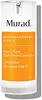
This brightening eye moisturizer is formulated around Niacinamide and Ascorbic Acid to fade the look of dark spots and brighten dull-looking skin.
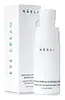
This anti-aging eye moisturizer is formulated around Hesperidin Methyl Chalcone and Palmitoyl Tetrapeptide-7 to soften the look of wrinkles and fade the look of dark spots.

What's inside
What's inside
 Key Ingredients
Benefits
Concerns
Ingredients Side-by-side
Water
Skin ConditioningGlycerin
Humectant


Dimethicone
Emollient
Hydroxyethyl Acrylate/Sodium Acryloyldimethyl Taurate Copolymer
Emulsion StabilisingCI 77891
Cosmetic ColorantNiacinamide
Smoothing









Ascorbic Acid
Antioxidant

Urea
Buffering
Yeast Amino Acids
HumectantTrehalose
Humectant
Inositol
Humectant
Taurine
BufferingBetaine
Humectant
Glutathione
Tetrahexyldecyl Ascorbate
Antioxidant
Glucosyl Hesperidin
HumectantFucus Vesiculosus Extract
Emollient
Xymenynic Acid
EmollientHdi/Trimethylol Hexyllactone Crosspolymer
Mica
Cosmetic ColorantTriheptanoin
Skin ConditioningPropylene Glycol Dicaprate
EmollientSorbitol
Humectant
Helianthus Annuus Seed Extract
Skin Conditioning
C13-16 Isoparaffin
Solvent
Caprylic/Capric Triglyceride
Masking
Polyisobutene
Silica
Abrasive
Hexylene Glycol
EmulsifyingPEG-7 Trimethylolpropane Coconut Ether
Emulsifying
Acetyl Zingerone
Antioxidant
Asparagopsis Armata Extract
Skin ProtectingChlorella Vulgaris Extract
Skin ConditioningTerminalia Ferdinandiana Fruit Extract
Antioxidant
Hordeum Vulgare Extract
EmollientAscophyllum Nodosum Extract
Skin ConditioningSodium Hyaluronate
Humectant
Xanthan Gum
EmulsifyingCucumis Sativus Extract
Skin Conditioning
Trimethylsiloxysilicate
Emollient
PEG-8 Methyl Ether Triethoxysilane
SurfactantGold
Cosmetic ColorantCaprylyl Glycol
Emollient
Phenoxyethanol
Preservative
Ethylhexylglycerin
Skin ConditioningCI 77492
Cosmetic ColorantCI 77491
Cosmetic ColorantWater, Glycerin, Dimethicone, Hydroxyethyl Acrylate/Sodium Acryloyldimethyl Taurate Copolymer, CI 77891, Niacinamide, Ascorbic Acid, Urea, Yeast Amino Acids, Trehalose, Inositol, Taurine, Betaine, Glutathione, Tetrahexyldecyl Ascorbate, Glucosyl Hesperidin, Fucus Vesiculosus Extract, Xymenynic Acid, Hdi/Trimethylol Hexyllactone Crosspolymer, Mica, Triheptanoin, Propylene Glycol Dicaprate, Sorbitol, Helianthus Annuus Seed Extract, C13-16 Isoparaffin, Caprylic/Capric Triglyceride, Polyisobutene, Silica, Hexylene Glycol, PEG-7 Trimethylolpropane Coconut Ether, Acetyl Zingerone, Asparagopsis Armata Extract, Chlorella Vulgaris Extract, Terminalia Ferdinandiana Fruit Extract, Hordeum Vulgare Extract, Ascophyllum Nodosum Extract, Sodium Hyaluronate, Xanthan Gum, Cucumis Sativus Extract, Trimethylsiloxysilicate, PEG-8 Methyl Ether Triethoxysilane, Gold, Caprylyl Glycol, Phenoxyethanol, Ethylhexylglycerin, CI 77492, CI 77491
Water
Skin ConditioningAloe Barbadensis Leaf Juice
Skin Conditioning
Cetearyl Alcohol
Emollient



Glycerin
Humectant
Hesperidin Methyl Chalcone
Antioxidant
Steareth-20
CleansingDipeptide-2
Skin Conditioning
Palmitoyl Tetrapeptide-7
Skin Conditioning
Caprylic/Capric Triglyceride
Masking
Cetearyl Olivate
Sorbitan Olivate
Emulsifying
N-Hydroxysuccinimide
Skin ConditioningChrysin
Skin ConditioningPalmitoyl Tripeptide-1
Skin Conditioning
Dicaprylyl Carbonate
EmollientPropylene Glycol
Humectant
C12-15 Alkyl Benzoate
AntimicrobialSodium Ascorbyl Phosphate
Antioxidant
Cucumis Sativus Extract
Skin Conditioning
Camellia Sinensis Extract
Antioxidant
Tetrahexyldecyl Ascorbate
Antioxidant
Arnica Montana Flower Extract
Masking
Fucus Vesiculosus Extract
Emollient
Vaccinium Uliginosum Berry Extract
Skin ConditioningMalus Domestica Fruit Cell Culture Extract
Skin ConditioningTocopheryl Acetate
Antioxidant
Thioctic Acid
Antioxidant
Superoxide Dismutase
Antioxidant
Hydrolyzed Oat Protein
Skin ConditioningCeramide Ng
Skin Conditioning
Persea Gratissima Oil
Skin Conditioning
Carbomer
Emulsion StabilisingHydroxyethyl Acrylate/Sodium Acryloyldimethyl Taurate Copolymer
Emulsion StabilisingPolysorbate 20
Emulsifying
Xanthan Gum
EmulsifyingMorus Alba Extract
AstringentMedicago Sativa Extract
TonicPhytonadione Epoxide
AstringentUbiquinone
Antioxidant
Phenoxyethanol
Preservative
Caprylyl Glycol
Emollient
Water, Aloe Barbadensis Leaf Juice, Cetearyl Alcohol, Glycerin, Hesperidin Methyl Chalcone, Steareth-20, Dipeptide-2, Palmitoyl Tetrapeptide-7, Caprylic/Capric Triglyceride, Cetearyl Olivate, Sorbitan Olivate, N-Hydroxysuccinimide, Chrysin, Palmitoyl Tripeptide-1, Dicaprylyl Carbonate, Propylene Glycol, C12-15 Alkyl Benzoate, Sodium Ascorbyl Phosphate, Cucumis Sativus Extract, Camellia Sinensis Extract, Tetrahexyldecyl Ascorbate, Arnica Montana Flower Extract, Fucus Vesiculosus Extract, Vaccinium Uliginosum Berry Extract, Malus Domestica Fruit Cell Culture Extract, Tocopheryl Acetate, Thioctic Acid, Superoxide Dismutase, Hydrolyzed Oat Protein, Ceramide Ng, Persea Gratissima Oil, Carbomer, Hydroxyethyl Acrylate/Sodium Acryloyldimethyl Taurate Copolymer, Polysorbate 20, Xanthan Gum, Morus Alba Extract, Medicago Sativa Extract, Phytonadione Epoxide, Ubiquinone, Phenoxyethanol, Caprylyl Glycol
Ingredients Explained
These ingredients are found in both products.
Ingredients higher up in an ingredient list are typically present in a larger amount.
Caprylic/Capric Triglyceride (aka MCT Oil) is a lightweight emollient, solvent, and texture enhancer. It is considered a skin-softener by helping to prevent moisture loss.
Though it behaves like an oil, it is not technically one due to its chemical composition. One perk of this ingredient is that it is very stable, resistant to oxidation, and unlikely to go rancid.
In practice, that translates to a long shelf life and a consistently elegant skin feel.
While there is an assumption Caprylic Triglyceride can clog pores due to it being derived from coconut oil, there is no research supporting this. Just patch test if you have concerns.
Fractionated coconut oil and MCT Oil are both listed as Caprylic/Capric Triglyceride according to INCI. This is because INCI names are based on the ingredient’s final chemical composition and not its marketing name or source.
This ingredient is treated as the gold standard fungal acne safe oil. Even though it is coconut derived, the problematic lauric acid is stripped out.
This leaves just caprylic (C8) and capric (C10) acid. These chain lengths actually trend antifungal; a 2020 study found caprylic acid was enough to disrupt Malassezia furfur cell membrane, with a caprylic acid derivative damaging membrane structures at concentrations as low as 0.2%.
Learn more about Caprylic/Capric TriglycerideCaprylyl Glycol is a humectant, skin conditioner, emollient, and preservative booster derived from either caprylic acid or synthetically created.
Typical use levels vary from 0.3-1% as a preservative booster and go up to 2% to condition skin.
Because it is not a free-fatty acid, this ingredient is fungal acne safe (there's nothing for Malassezia to feed on).
Learn more about Caprylyl GlycolCucumis Sativus Extract comes from the cucumber. Cucumbers have anti-aging, anti-inflammatory, and hydrating properties.
Cucumbers are mostly made up of water (95%), and the other 5% is composed of: vitamin C, caffeic acid, fatty acids, amino acids, and other minerals.
Fucus Vesiculosus Extract is derived from a type of brown algae.
Algae is an informal term for a group of aquatic organisms that can photosynthesize. It is estimated there are at least 30,000 types of Algae.
Fucus Vesiculosus Extract contains antioxidants. Antioxidants help fight free-radicals. Free-radicals are molecules that may damage your skin cells, such as pollution.
Fucus Vesiculosus Extract is also rich in sodium, potassium, and amino acids.
Many different types of algae have different benefits.
Learn more about Fucus Vesiculosus ExtractGlycerin (or glycerol) is a compound naturally found in your skin. It's a powerhouse humectant that pulls water into the stratum corneum.
Topically, glycerin does several things at once:
Your skin makes glycerin on its own (mostly from sebaceous oil breakdown) and shuttles it to your outermost layer of skin, or your epidermis, via aquaporin-3.
Aquaporin-3 is a transporter that is essential for normal skin hydration, elasticity, and repair. Interestingly, mice lacking in AQP3 have dry and less elastic skin that can be fully corrected with glycerin.
This ingredient is non-irritating, plays well with almost every ingredient, and works across all skin types. Typical use is anywhere between 3-10% but can go up to 79% in some leave-on products.
Just know very high concentrations (>40%) can feel tacky in low humidity.
Glycerin is the name for this ingredient in American English. British English uses Glycerol/Glycerine.
Learn more about GlycerinThis is a synthetic polymer. It helps improve the texture of products by adding thickness and gel-like feel.
It is also an emulsifer, meaning it prevents ingredients such as oil and water from separating. It also helps evenly disperse other ingredients.
Phenoxyethanol is one of the most widely used preservatives in skincare (and for good reason!).
It has a large spectrum of antimicrobial activity and especially effective bacteria, yeast, and mold while only having a weak effect on your skin's natural microbiome.
On a cellular level, it disrupts the cell membranes of microbes by poking holes that make the cell leak. This shuts down the chemical reactions the microbe needs to make energy so it can no longer survive.
Another perk of this ingredient is that it stays functional across a wide pH range (3-10).
You'll often see it paired with boosters like Ethylhexylglycerin; one study showed that a 1:9 ratio of Ethylhexylglycerin to Phenoxyethanol damages bacterial membranes as effectively as doubling the Phenoxyethanol concentration on its own.
Typical use concentrations range from 0.3-1% depending on the formula, and this ingredient is capped at 1% int the EU.
Safety-wise, the fear mongering does not hold up to the evidence. The EU's Scientific Committee on Consumer Safety and FDA consider it safe as a preservative at up to 1%, including for children of all ages.
Adverse systemic effects only showed up in animal studies at exposures roughly 200x higher than what people get from cosmetics. And despite its very widespread use, this ingredient is a rare sensitizer and allergic reactions are uncommon.
Learn more about PhenoxyethanolTetrahexyldecyl Ascorbate (THD) is a stable and oil-soluble form of Vitamin C.
THD is special in that it has the ability to travel deeper into skin than traditional ascorbic acid while maintaining the same skin benefits (double win!).
Because it’s oil-soluble, THD dives deep into your skin’s fatty layers (think ceramides and cholesterol) to fight off the kind of free radicals that mess with your skin barrier. This makes it a great pair with water-based vitamin C (ascorbic acid) that mainly works on the surface.
Even at just 0.1%, THD is already showing great antioxidant activity. When used up to 2%, it helps keep your skin happy and calm, especially when it’s stressed from pollution or sun.
Want to fade dark spots or tackle hyperpigmentation? You’ll want 5% or more. Pairing it with brightening buddies like niacinamide or licorice root gives even better results. One study even used 30% THD with other brighteners and saw real results on stubborn discoloration, even in melasma-prone skin.
A note on THD: It’s has a slightly silky, oily texture and usually shows up colorless or pale yellow (though the exact shade can vary by supplier).
While you can sneak it into water-based formulas, it really shines when paired with silicones or oils, which help your skin soak it up better.
THD is pretty stable, but it’s still vulnerable to degradation like ascorbic acid. Too much light or heat (above 113°F / 45°C) can break it down over time. Go for dark and opaque packaging that keeps it safe and shady!
Read more about other types of Vitamin C:
Learn more about Tetrahexyldecyl AscorbateWater. It's the most common cosmetic ingredient of all. You'll usually see it at the top of ingredient lists, meaning that it makes up the largest part of the product.
So why is it so popular? Water most often acts as a solvent - this means that it helps dissolve other ingredients into the formulation.
You'll also recognize water as that liquid we all need to stay alive. If you see this, drink a glass of water. Remember to stay hydrated!
Learn more about WaterXanthan gum is used as a stabilizer and thickener within cosmetic products. It helps give products a sticky, thick feeling - preventing them from being too runny.
On the technical side of things, xanthan gum is a polysaccharide - a combination consisting of multiple sugar molecules bonded together.
Xanthan gum is a pretty common and great ingredient. It is a natural, non-toxic, non-irritating ingredient that is also commonly used in food products.
Learn more about Xanthan Gum

