Murad Quick Relief Colloidal Oatmeal Treatment Versus First Aid Beauty Ultra Repair Rescue Barrier Balm With Dimethicone
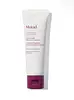
This calming treatment is formulated around Colloidal Oatmeal and Squalane to calm redness and strengthen the skin barrier.
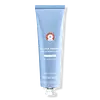
This barrier-repair moisturizer is formulated around Dimethicone and Colloidal Oatmeal to strengthen the skin barrier and calm redness.

What's inside
What's inside
 Key Ingredients
Benefits
Concerns
Ingredients Side-by-side
Colloidal Oatmeal 5%
Absorbent


Water
Skin ConditioningSqualane
Emollient

Propanediol
Solvent
Cetearyl Olivate


Sorbitan Olivate
Emulsifying
Coco-Caprylate/Caprate
Emollient
Musa Sapientum Leaf Extract
Skin ConditioningCetyl Alcohol
Emollient
Avena Sativa Kernel Extract
Abrasive

Betaine
Humectant
Butyrospermum Parkii Butter
Skin Conditioning


Polyglyceryl-10 Myristate
Skin Conditioning
Hydrogenated Lecithin
Emulsifying
Physalis Pubescens Fruit Juice
Skin ConditioningAlbatrellus Confluens Extract
Humectant
Niacinamide
Smoothing







Allantoin
Skin Conditioning
Tocopherol
Antioxidant
Jojoba Esters
Emollient
Ethylhexylglycerin
Skin ConditioningCaprylic/Capric Triglyceride
Masking
Hectorite
AbsorbentCarbomer
Emulsion StabilisingCaprylhydroxamic Acid
Tetrasodium Glutamate Diacetate
Sodium Hydroxide
BufferingCitric Acid
Buffering
Chlorphenesin
Antimicrobial
Colloidal Oatmeal 5%, Water, Squalane, Propanediol, Cetearyl Olivate, Sorbitan Olivate, Coco-Caprylate/Caprate, Musa Sapientum Leaf Extract, Cetyl Alcohol, Avena Sativa Kernel Extract, Betaine, Butyrospermum Parkii Butter, Polyglyceryl-10 Myristate, Hydrogenated Lecithin, Physalis Pubescens Fruit Juice, Albatrellus Confluens Extract, Niacinamide, Allantoin, Tocopherol, Jojoba Esters, Ethylhexylglycerin, Caprylic/Capric Triglyceride, Hectorite, Carbomer, Caprylhydroxamic Acid, Tetrasodium Glutamate Diacetate, Sodium Hydroxide, Citric Acid, Chlorphenesin
Dimethicone 1%
Emollient
Water
Skin ConditioningButylene Glycol
Humectant
Caprylic/Capric Triglyceride
Masking
Dicaprylyl Carbonate
EmollientGlycerin
Humectant
Pentylene Glycol
Skin Conditioning
Cetearyl Alcohol
Emollient
Lauryl Laurate
Skin Conditioning
Glyceryl Stearate
Emollient
C12-16 Alcohols
EmollientColloidal Oatmeal
Absorbent
Polyglyceryl-6 Octastearate
EmulsifyingGlyceryl Behenate
Emollient
Behenyl Alcohol
Emollient
Ceramide NP
Skin Conditioning
Centella Asiatica Extract
Cleansing
Aloe Barbadensis Leaf Juice
Skin Conditioning
Phospholipids
Skin Conditioning
Cetyl Palmitate
Emollient
Sorbitan Palmitate
Emulsifying
Hydroxyacetophenone
Antioxidant
Carbomer
Emulsion StabilisingPhenoxyethanol
Preservative
Caprylyl Glycol
Emollient
Palmitic Acid
Emollient
Hydrogenated Lecithin
Emulsifying
Tromethamine
BufferingPhytosterols
Skin Conditioning
Linoleic Acid
Cleansing
Sorbitan Oleate
Emulsifying
Pentaerythrityl Tetra-Di-T-Butyl Hydroxyhydrocinnamate
Antioxidant
Sodium Phytate
Ethylhexylglycerin
Skin ConditioningTriolein
Skin Conditioning
Propanediol
Solvent
Glyceryl Dioleate
Emollient
Dimethicone 1%, Water, Butylene Glycol, Caprylic/Capric Triglyceride, Dicaprylyl Carbonate, Glycerin, Pentylene Glycol, Cetearyl Alcohol, Lauryl Laurate, Glyceryl Stearate, C12-16 Alcohols, Colloidal Oatmeal, Polyglyceryl-6 Octastearate, Glyceryl Behenate, Behenyl Alcohol, Ceramide NP, Centella Asiatica Extract, Aloe Barbadensis Leaf Juice, Phospholipids, Cetyl Palmitate, Sorbitan Palmitate, Hydroxyacetophenone, Carbomer, Phenoxyethanol, Caprylyl Glycol, Palmitic Acid, Hydrogenated Lecithin, Tromethamine, Phytosterols, Linoleic Acid, Sorbitan Oleate, Pentaerythrityl Tetra-Di-T-Butyl Hydroxyhydrocinnamate, Sodium Phytate, Ethylhexylglycerin, Triolein, Propanediol, Glyceryl Dioleate
Reviews
Ingredients Explained
These ingredients are found in both products.
Ingredients higher up in an ingredient list are typically present in a larger amount.
Caprylic/Capric Triglyceride (aka MCT Oil) is a lightweight emollient, solvent, and texture enhancer. It is considered a skin-softener by helping to prevent moisture loss.
Though it behaves like an oil, it is not technically one due to its chemical composition. One perk of this ingredient is that it is very stable, resistant to oxidation, and unlikely to go rancid.
In practice, that translates to a long shelf life and a consistently elegant skin feel.
While there is an assumption Caprylic Triglyceride can clog pores due to it being derived from coconut oil, there is no research supporting this. Just patch test if you have concerns.
Fractionated coconut oil and MCT Oil are both listed as Caprylic/Capric Triglyceride according to INCI. This is because INCI names are based on the ingredient’s final chemical composition and not its marketing name or source.
This ingredient is treated as the gold standard fungal acne safe oil. Even though it is coconut derived, the problematic lauric acid is stripped out.
This leaves just caprylic (C8) and capric (C10) acid. These chain lengths actually trend antifungal; a 2020 study found caprylic acid was enough to disrupt Malassezia furfur cell membrane, with a caprylic acid derivative damaging membrane structures at concentrations as low as 0.2%.
Learn more about Caprylic/Capric TriglycerideCarbomer is a synthetic thickening and gelling agent. It's basically the ingredient that gives a lot of serums, gels, creams, and sunscreens their smooth, non-sticky texture.
Although legally permitted at very high levels, carbomers are normally used at concentrations below 1%.
It also needs to be neutralized to actually thicken, and because it is a large molecule, it doesn't really penetrate the skin barrier.
Allergy-wise, the risk is very low. Clinical studies show carbomers have low potential for skin irritation/sensitization even at concentrations up to 100%.
A 2024 UK study patch-tested 1,302 patients and found true allergy to the parent group of carbomer to be rare with no confirmed relevant reactions.
Learn more about CarbomerAccording to INCI standards, this ingredient refers to the physical ground up oatmeal. If you are looking for colloidal oatmeal in skincare, you'll most likely see Avena Sativa Kernel Extract on your ingredient list.
Physical colloidal oatmeal is an abrasive meaning it provides physical exfoliation.
Ethylhexylglycerin is created from glycerin. It is a multitasker ingredient that:
The CIR Expert Panel found minimal skin absorption or sensitization of any kind in a safety assessment. Though this ingredient is considered well-tolerated, a small number of cases of allergic dermatitis have been published since 2002. Just be sure to patch test if you are unsure.
Industry-reported use ranges from 8% in rinse-off products and 2% in leave-on formulations.
Learn more about EthylhexylglycerinHydrogenated Lecithin is a more stable version of lecithin.
It's made by taking lecithin (a phospholipid commonly found in soybeans and egg yolks) and hydrogenating it. This just means the unsaturated fatty acids are turned into saturated ones so they don't go bad as easily.
This ingredient is an emollient, emulsifier, and penetration enhancer. As an emollient, it helps soften and hydrate skin by trapping moisture within. As an emulsifier, it prevents oil and water ingredients from separating.
Hydrogenated Lecithin can form tiny spherical structures made of phospholipid bilayers called liposomes. These liposomes are able to capture compounds inside their structure and deliver them through the skin barrier.
Because phospholipids are a natural component of our cell membranes, this ingredient is inherently compatible with skin.
A 2021 study found lecithin-based surfactants were less harsh and more tolerable comared to Sodium Lauryl Sulfate (SLS).
Learn more about Hydrogenated LecithinPropanediol is an all-star ingredient. It softens, hydrates, and smooths the skin.
It’s often used to:
Propanediol is not likely to cause sensitivity and considered safe to use. It is derived from corn or petroleum with a clear color and no scent.
Learn more about PropanediolWater. It's the most common cosmetic ingredient of all. You'll usually see it at the top of ingredient lists, meaning that it makes up the largest part of the product.
So why is it so popular? Water most often acts as a solvent - this means that it helps dissolve other ingredients into the formulation.
You'll also recognize water as that liquid we all need to stay alive. If you see this, drink a glass of water. Remember to stay hydrated!
Learn more about Water

