This calming moisturizer is formulated around Portulaca Oleracea Extract and Ceramide NP to calm redness and hydrate skin.
This brightening emulsion is formulated around Tranexamic Acid and Allantoin to fade the look of dark spots and brighten dull-looking skin.

What's inside
What's inside
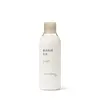 Key Ingredients
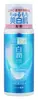
Benefits
Concerns
Ingredients Side-by-side
Water
Skin ConditioningGlycerin
Humectant


Olea Europaea Fruit Oil
Masking





Butylene Glycol
Humectant
Helianthus Annuus Seed Oil
Emollient
Propanediol
Solvent
Cetyl Ethylhexanoate
EmollientEucalyptus Globulus Leaf Extract
Perfuming
Portulaca Oleracea Extract
Skin Conditioning

Citrus Grandis Seed Extract
Astringent
Ceramide NP
Skin Conditioning

Alanine
Masking
Arginine
Masking
Sodium Glutamate
MaskingSerine
Masking
Proline
Skin Conditioning
Sodium Hyaluronate
Humectant
Dipotassium Glycyrrhizate
Humectant
Glycosyl Trehalose
Emulsion StabilisingHydrogenated Starch Hydrolysate
HumectantEthylhexylglycerin
Skin ConditioningSimmondsia Chinensis Seed Oil
Emollient
Behenyl Alcohol
Emollient
Glyceryl Stearate
Emollient
PEG-75 Stearate
Surfactant
Polysorbate 80
Emulsifying
Sodium Polyacrylate Starch
AbsorbentXanthan Gum
EmulsifyingGellan Gum
Tocopherol
Antioxidant



Citric Acid
Buffering
Water, Glycerin, Olea Europaea Fruit Oil, Butylene Glycol, Helianthus Annuus Seed Oil, Propanediol, Cetyl Ethylhexanoate, Eucalyptus Globulus Leaf Extract, Portulaca Oleracea Extract, Citrus Grandis Seed Extract, Ceramide NP, Alanine, Arginine, Sodium Glutamate, Serine, Proline, Sodium Hyaluronate, Dipotassium Glycyrrhizate, Glycosyl Trehalose, Hydrogenated Starch Hydrolysate, Ethylhexylglycerin, Simmondsia Chinensis Seed Oil, Behenyl Alcohol, Glyceryl Stearate, PEG-75 Stearate, Polysorbate 80, Sodium Polyacrylate Starch, Xanthan Gum, Gellan Gum, Tocopherol, Citric Acid
Tranexamic Acid
Astringent
Allantoin
Skin Conditioning
Hydrolyzed Hyaluronic Acid
Humectant
Sodium Hyaluronate
Humectant
Magnesium Ascorbyl Phosphate
Antioxidant


Tocopherol
Antioxidant
Saccharomyces/Coix Lacryma-Jobi Ma-Yuen Seed Ferment Filtrate
Skin Conditioning
Coix Lacryma-Jobi Ma-Yuen Seed Extract
Skin ConditioningΑ-Olefin Oligomer
Dipropylene Glycol
HumectantTricaprylin
Perfuming
Pentylene Glycol
Skin Conditioning
Hydrogenated Castor Oil
Emollient
Glyceryl Stearate Se
Emulsifying
Diglycerin
Humectant
Behenyl Alcohol
Emollient
Succinic Acid
BufferingPhenoxyethanol
Preservative
Acrylates/C10-30 Alkyl Acrylate Crosspolymer
Emulsion StabilisingSodium Benzoate
Masking
Xanthan Gum
EmulsifyingEDTA
ChelatingButylene Glycol
Humectant
Tranexamic Acid, Allantoin, Hydrolyzed Hyaluronic Acid, Sodium Hyaluronate, Magnesium Ascorbyl Phosphate, Tocopherol, Saccharomyces/Coix Lacryma-Jobi Ma-Yuen Seed Ferment Filtrate, Coix Lacryma-Jobi Ma-Yuen Seed Extract, Α-Olefin Oligomer, Dipropylene Glycol, Tricaprylin, Pentylene Glycol, Hydrogenated Castor Oil, Glyceryl Stearate Se, Diglycerin, Behenyl Alcohol, Succinic Acid, Phenoxyethanol, Acrylates/C10-30 Alkyl Acrylate Crosspolymer, Sodium Benzoate, Xanthan Gum, EDTA, Butylene Glycol
Ingredients Explained
These ingredients are found in both products.
Ingredients higher up in an ingredient list are typically present in a larger amount.
Behenyl Alcohol is a type of fatty alcohol (these are different from the drying, solvent alcohols).
Fatty Alcohols have hydrating properties and are most often used as an emollient or to thicken a product. They are usually derived from natural fats and oils; behenyl alcohol is derived from the fats of vegetable oils.
Emollients help keep your skin soft and hydrated by creating a film that traps moisture in.
In 2000, Behenyl Alcohol was approved by the US as medicine to reduce the duration of cold sores.
Learn more about Behenyl AlcoholButylene Glycol (or BG) is used within cosmetic products for a few different reasons:
Overall, Butylene Glycol is a safe and well-rounded ingredient that works well with other ingredients.
Though this ingredient works well with most skin types, some people with sensitive skin may experience a reaction such as allergic rashes, closed comedones, or itchiness.
Learn more about Butylene GlycolSodium Hyaluronate is the salt form of hyaluronic acid. It is a long sugar chain that is naturally found in your skin, joints, and connective tissue that maintains hydration and elasticity.
In skincare, it works as a humectant. It pulls water from the environment and deeper layers of skin and binds it to the surface.
Interestingly, the size of the molecule affects its behavior:
Some clinical evidence links low molecular weight versions to improved wrinkle depth, elasticity, anti-inflammatory effects, and barrier repair.
Many serums use a blend of both weights so you can get surface hydration plus longer-lasting and deeper effects.
You'll typically see concentrations between 0.1-2% for this ingredient.
Learn more about Sodium HyaluronateTocopherol is a fat-soluble antioxidant known as Vitamin E.
You'll find this ingredient in the vast majority of skincare (for good reason). It works to neutralize free radicals, or unstable molecules generated by UV exposure, pollution, and other environmental stressors, before they can cause oxidative damage to your skin cells.
Topically applied tocopherol has been shown to protect against UV damage by ramping up the skin's own natural defense enzymes.
It also acts as a skin conditioning agent; some studies show that regular topical use can improve the skin's water-binding capacity over 2-4 weeks.
This ingredient is especially loved for being a team player. When combined with Vitamin C, the photoprotective effect of both ingredients roughly doubles and the combo also helps reduce UV-induced DNA damage.
This ingredient has some brightening potential but it's more of a prevention ingredient than spot-fader. Cell studies show it can slow down melanin production but it's worth noting that it's not the most powerful brightener out there.
In formulations, it also serves as a stabilizer that helps protect other oxidation-prone ingredients from degrading.
Concentrations usually range from 0.1-1% in most leave-on products.
Learn more about TocopherolXanthan gum is used as a stabilizer and thickener within cosmetic products. It helps give products a sticky, thick feeling - preventing them from being too runny.
On the technical side of things, xanthan gum is a polysaccharide - a combination consisting of multiple sugar molecules bonded together.
Xanthan gum is a pretty common and great ingredient. It is a natural, non-toxic, non-irritating ingredient that is also commonly used in food products.
Learn more about Xanthan Gum

