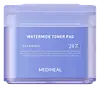
This hydrating toner pad uses a pre-saturated pad with Sodium PCA and Allantoin to hydrate skin and strengthen the skin barrier.
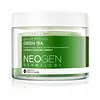
This smoothing exfoliator is formulated around Camellia Sinensis Leaf Extract and Glycolic Acid to refine skin texture and brighten dull-looking skin.

What's inside
What's inside
 Key Ingredients
Benefits
Concerns
Ingredients Side-by-side
Water
Skin ConditioningDipropylene Glycol
Humectant1,2-Hexanediol
Skin Conditioning
Betaine
Humectant

Sodium PCA
Humectant
Hydroxyacetophenone
Antioxidant
Octyldodeceth-16
EmulsifyingHydroxyethyl Urea
Humectant
Dipotassium Glycyrrhizate
Humectant
Sodium Citrate
BufferingAllantoin
Skin Conditioning
Xanthan Gum
EmulsifyingHydroxyethylcellulose
Emulsion StabilisingCitric Acid
Buffering


Disodium EDTA
ChelatingOlea Europaea Fruit Oil
Masking




Glycerin
Humectant
Sea Water
HumectantMyosotis Sylvatica Flower/Leaf/Stem Extract
Skin ConditioningButylene Glycol
Humectant
Polyglyceryl-10 Laurate
Skin Conditioning
Abies Sibirica Oil
Masking

Hydrogenated Lecithin
Emulsifying
Rosmarinus Officinalis Leaf Oil
Masking
Pseudoalteromonas Ferment Extract
Humectant
Salvia Sclarea Oil
Masking
Cetraria Islandica Extract
CleansingMentha Aquatica Extract
TonicAnthemis Nobilis Flower Oil
Masking
Juniperus Mexicana Oil
Masking
Chamomilla Recutita Flower Oil
Masking
Mangifera Indica Fruit Extract
Skin ConditioningLactobacillus Ferment
Skin Conditioning
Caprylyl Glycol
Emollient
Water, Dipropylene Glycol, 1,2-Hexanediol, Betaine, Sodium PCA, Hydroxyacetophenone, Octyldodeceth-16, Hydroxyethyl Urea, Dipotassium Glycyrrhizate, Sodium Citrate, Allantoin, Xanthan Gum, Hydroxyethylcellulose, Citric Acid, Disodium EDTA, Olea Europaea Fruit Oil, Glycerin, Sea Water, Myosotis Sylvatica Flower/Leaf/Stem Extract, Butylene Glycol, Polyglyceryl-10 Laurate, Abies Sibirica Oil, Hydrogenated Lecithin, Rosmarinus Officinalis Leaf Oil, Pseudoalteromonas Ferment Extract, Salvia Sclarea Oil, Cetraria Islandica Extract, Mentha Aquatica Extract, Anthemis Nobilis Flower Oil, Juniperus Mexicana Oil, Chamomilla Recutita Flower Oil, Mangifera Indica Fruit Extract, Lactobacillus Ferment, Caprylyl Glycol
Water
Skin ConditioningDipropylene Glycol
HumectantCamellia Sinensis Leaf Extract
Antimicrobial


Glycerin
Humectant
Alcohol Denat.
Antimicrobial

PEG/PPG-17/6 Copolymer
SolventCentella Asiatica Extract
Cleansing
Artemisia Vulgaris Extract
Skin Conditioning
Aloe Barbadensis Leaf Extract
Emollient
Houttuynia Cordata Extract
Skin Conditioning
Gardenia Florida Fruit Extract
Skin ConditioningMelaleuca Alternifolia Leaf Extract
Perfuming
Coptis Japonica Extract
AntimicrobialButylene Glycol
Humectant
Benzophenone-5
UV Absorber
Sodium Hyaluronate
Humectant
Carbomer
Emulsion StabilisingTartaric Acid
Buffering
Glycolic Acid
Buffering


Lactic Acid
Buffering
Tromethamine
BufferingPEG-60 Hydrogenated Castor Oil
Emulsifying
Phenoxyethanol
Preservative
Ethylhexylglycerin
Skin Conditioning1,2-Hexanediol
Skin Conditioning
Melaleuca Alternifolia Leaf Oil
Antioxidant
Disodium EDTA
ChelatingParfum
Masking
Water, Dipropylene Glycol, Camellia Sinensis Leaf Extract, Glycerin, Alcohol Denat., PEG/PPG-17/6 Copolymer, Centella Asiatica Extract, Artemisia Vulgaris Extract, Aloe Barbadensis Leaf Extract, Houttuynia Cordata Extract, Gardenia Florida Fruit Extract, Melaleuca Alternifolia Leaf Extract, Coptis Japonica Extract, Butylene Glycol, Benzophenone-5, Sodium Hyaluronate, Carbomer, Tartaric Acid, Glycolic Acid, Lactic Acid, Tromethamine, PEG-60 Hydrogenated Castor Oil, Phenoxyethanol, Ethylhexylglycerin, 1,2-Hexanediol, Melaleuca Alternifolia Leaf Oil, Disodium EDTA, Parfum
Reviews
Ingredients Explained
These ingredients are found in both products.
Ingredients higher up in an ingredient list are typically present in a larger amount.
1,2-Hexanediol is a synthetic liquid and another multi-functional powerhouse.
It is a:
- Humectant, drawing moisture into the skin
- Emollient, helping to soften skin
- Solvent, dispersing and stabilizing formulas
- Preservative booster, enhancing the antimicrobial activity of other preservatives
Butylene Glycol (or BG) is used within cosmetic products for a few different reasons:
Overall, Butylene Glycol is a safe and well-rounded ingredient that works well with other ingredients.
Though this ingredient works well with most skin types, some people with sensitive skin may experience a reaction such as allergic rashes, closed comedones, or itchiness.
Learn more about Butylene GlycolDipropylene Glycol is a synthetically created humectant, stabilizer, and solvent.
This ingredient helps:
Dipropylene glycol is technically an alcohol, but it belongs to the glycol family (often considered part of the ‘good’ alcohols). This means it is hydrating and gentle on skin unlike drying solvent alcohols like denatured alcohol.
As a masking agent, Dipropylene Glycol can be used to cover the smell of other ingredients. However, it does not have a scent.
Studies show Dipropylene Glycol is considered safe to use in skincare.
Learn more about Dipropylene GlycolDisodium EDTA is a chelating agent. It grabs onto and deactivates metal ions that sneak into your products from water, packaging, or air.
This ingredient mainly works behind the scenes and helps with:
On top of that, this ingredient can counteract the effects of hard water by binding to the minerals in it.
One thing worth knowing is that Disodium EDTA has been shown to be a mild penetration enhancer. It can help other ingredients absorb into skin more effectively which can be a double-edged sword (great for actives, but can also make the active too strong if you have sensitive skin).
Clinical patch testing showed no significant skin irritation at typical use concentrations and minimal dermal absorption.
You'll most likely see this ingredient near the end of an ingredient list. It's typically found in concentrations less than 1%.
Learn more about Disodium EDTAGlycerin (or glycerol) is a compound naturally found in your skin. It's a powerhouse humectant that pulls water into the stratum corneum.
Topically, glycerin does several things at once:
Your skin makes glycerin on its own (mostly from sebaceous oil breakdown) and shuttles it to your outermost layer of skin, or your epidermis, via aquaporin-3.
Aquaporin-3 is a transporter that is essential for normal skin hydration, elasticity, and repair. Interestingly, mice lacking in AQP3 have dry and less elastic skin that can be fully corrected with glycerin.
This ingredient is non-irritating, plays well with almost every ingredient, and works across all skin types. Typical use is anywhere between 3-10% but can go up to 79% in some leave-on products.
Just know very high concentrations (>40%) can feel tacky in low humidity.
Glycerin is the name for this ingredient in American English. British English uses Glycerol/Glycerine.
Learn more about GlycerinWater. It's the most common cosmetic ingredient of all. You'll usually see it at the top of ingredient lists, meaning that it makes up the largest part of the product.
So why is it so popular? Water most often acts as a solvent - this means that it helps dissolve other ingredients into the formulation.
You'll also recognize water as that liquid we all need to stay alive. If you see this, drink a glass of water. Remember to stay hydrated!
Learn more about Water

