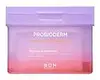
This anti-aging toner pad uses a pre-saturated pad with Niacinamide and Collagen Extract to soften the look of wrinkles and refine the look of pores.
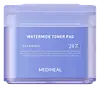
This hydrating toner pad uses a pre-saturated pad with Sodium PCA and Allantoin to hydrate skin and strengthen the skin barrier.

What's inside
What's inside
 Key Ingredients
Benefits
Concerns
Ingredients Side-by-side
Water
Skin ConditioningButylene Glycol
Humectant

Niacinamide
Smoothing










1,2-Hexanediol
Skin Conditioning
Collagen Extract
Skin Conditioning
Diethoxyethyl Succinate
SolventHydroxyethyl Urea
Humectant
Polyglyceryl-10 Laurate
Skin Conditioning

Xanthan Gum
EmulsifyingGlyceryl Caprylate
EmollientEthylhexylglycerin
Skin ConditioningAdenosine
Skin Conditioning
Sodium Phytate
ChelatingPanthenol
Skin Conditioning
Citric Acid
Buffering
Capryloyl Salicylic Acid
Exfoliating
Camellia Japonica Flower Extract
EmollientTocopherol
Antioxidant

Lactobacillus Ferment Lysate
Skin Conditioning
Soluble Collagen
Humectant
Acetyl Hexapeptide-8
Humectant
Palmitoyl Pentapeptide-4
Skin Conditioning
Acetyl Tetrapeptide-3
Skin Protecting
Palmitoyl Tetrapeptide-7
Skin Conditioning
Dipeptide-2
Skin Conditioning
Copper Tripeptide-1
Skin Conditioning
Palmitoyl Tripeptide-1
Skin Conditioning
Acetyl Tetrapeptide-5
Humectant
Nonapeptide-1
Skin Conditioning
Pentapeptide-3
Skin Conditioning
Dipeptide Diaminobutyroyl Benzylamide Diacetate
Skin Conditioning
Palmitoyl Tripeptide-5
Skin Conditioning
Palmitoyl Hexapeptide-12
Skin Conditioning
Tripeptide-1
Skin Conditioning
Hexapeptide-9
Skin Conditioning
Hexapeptide-11
Skin Conditioning
Oligopeptide-1
Skin Conditioning
Arginine/Lysine Polypeptide
Skin Conditioning
Water, Butylene Glycol, Niacinamide, 1,2-Hexanediol, Collagen Extract, Diethoxyethyl Succinate, Hydroxyethyl Urea, Polyglyceryl-10 Laurate, Xanthan Gum, Glyceryl Caprylate, Ethylhexylglycerin, Adenosine, Sodium Phytate, Panthenol, Citric Acid, Capryloyl Salicylic Acid, Camellia Japonica Flower Extract, Tocopherol, Lactobacillus Ferment Lysate, Soluble Collagen, Acetyl Hexapeptide-8, Palmitoyl Pentapeptide-4, Acetyl Tetrapeptide-3, Palmitoyl Tetrapeptide-7, Dipeptide-2, Copper Tripeptide-1, Palmitoyl Tripeptide-1, Acetyl Tetrapeptide-5, Nonapeptide-1, Pentapeptide-3, Dipeptide Diaminobutyroyl Benzylamide Diacetate, Palmitoyl Tripeptide-5, Palmitoyl Hexapeptide-12, Tripeptide-1, Hexapeptide-9, Hexapeptide-11, Oligopeptide-1, Arginine/Lysine Polypeptide
Water
Skin ConditioningDipropylene Glycol
Humectant1,2-Hexanediol
Skin Conditioning
Betaine
Humectant
Sodium PCA
Humectant
Hydroxyacetophenone
Antioxidant
Octyldodeceth-16
EmulsifyingHydroxyethyl Urea
Humectant
Dipotassium Glycyrrhizate
Humectant
Sodium Citrate
BufferingAllantoin
Skin Conditioning
Xanthan Gum
EmulsifyingHydroxyethylcellulose
Emulsion StabilisingCitric Acid
Buffering
Disodium EDTA
ChelatingOlea Europaea Fruit Oil
Masking



Glycerin
Humectant
Sea Water
HumectantMyosotis Sylvatica Flower/Leaf/Stem Extract
Skin ConditioningButylene Glycol
Humectant
Polyglyceryl-10 Laurate
Skin Conditioning
Abies Sibirica Oil
Masking

Hydrogenated Lecithin
Emulsifying
Rosmarinus Officinalis Leaf Oil
Masking
Pseudoalteromonas Ferment Extract
Humectant
Salvia Sclarea Oil
Masking
Cetraria Islandica Extract
CleansingMentha Aquatica Extract
TonicAnthemis Nobilis Flower Oil
Masking
Juniperus Mexicana Oil
Masking
Chamomilla Recutita Flower Oil
Masking
Mangifera Indica Fruit Extract
Skin ConditioningLactobacillus Ferment
Skin Conditioning
Caprylyl Glycol
Emollient
Water, Dipropylene Glycol, 1,2-Hexanediol, Betaine, Sodium PCA, Hydroxyacetophenone, Octyldodeceth-16, Hydroxyethyl Urea, Dipotassium Glycyrrhizate, Sodium Citrate, Allantoin, Xanthan Gum, Hydroxyethylcellulose, Citric Acid, Disodium EDTA, Olea Europaea Fruit Oil, Glycerin, Sea Water, Myosotis Sylvatica Flower/Leaf/Stem Extract, Butylene Glycol, Polyglyceryl-10 Laurate, Abies Sibirica Oil, Hydrogenated Lecithin, Rosmarinus Officinalis Leaf Oil, Pseudoalteromonas Ferment Extract, Salvia Sclarea Oil, Cetraria Islandica Extract, Mentha Aquatica Extract, Anthemis Nobilis Flower Oil, Juniperus Mexicana Oil, Chamomilla Recutita Flower Oil, Mangifera Indica Fruit Extract, Lactobacillus Ferment, Caprylyl Glycol
Reviews
Ingredients Explained
These ingredients are found in both products.
Ingredients higher up in an ingredient list are typically present in a larger amount.
1,2-Hexanediol is a synthetic liquid and another multi-functional powerhouse.
It is a:
- Humectant, drawing moisture into the skin
- Emollient, helping to soften skin
- Solvent, dispersing and stabilizing formulas
- Preservative booster, enhancing the antimicrobial activity of other preservatives
Butylene Glycol (or BG) is used within cosmetic products for a few different reasons:
Overall, Butylene Glycol is a safe and well-rounded ingredient that works well with other ingredients.
Though this ingredient works well with most skin types, some people with sensitive skin may experience a reaction such as allergic rashes, closed comedones, or itchiness.
Learn more about Butylene GlycolCitric Acid is an alpha hydroxy acid (AHA) naturally found in citrus fruits like oranges, lemons, and limes.
Like other AHAs, citric acid can exfoliate skin by breaking down the bonds that hold dead skin cells together. This helps reveal smoother and brighter skin underneath.
However, this exfoliating effect only happens at high concentrations (20%) which can be hard to find in cosmetic products.
Due to this, citric acid is usually included in small amounts as a pH adjuster. This helps keep products slightly more acidic and compatible with skin's natural pH.
In skincare formulas, citric acid can:
While it can provide some skin benefits, research shows lactic acid and glycolic acid are generally more effective and less irritating exfoliants.
Most citric acid used in skincare today is made by fermenting sugars (usually from molasses). This synthetic version is identical to the natural citrus form but easier to stabilize and use in formulations.
Rosacea skin has a lower threshold for acids generally, with 62.5% of rosacea subjects in one study reacting to lactic acid in a sting test. This is why we mark citric acid as a potential rosacea trigger.
However, this ingredient shows up as a pH adjuster or chelator at roughly 0.1-1% in many products. These low levels are unlikely to be an issue for rosacea skin and becomes a potential trigger at exfoliating concentrations (20%). Because everybody's skin is unique, we recommend a patch test if you are unsure.
Learn more about Citric AcidPolyglyceryl-10 Laurate is a cleansing agent and emulsifier.
It rounds up dirt, oil, and grime, so they can be rinsed off easily as a cleanser.
On the emulsifier side, it keeps your formula smooth and well-mixed by playing peacekeeper for ingredients that don't naturally get along (like oil and water).
Because it has a C12 (lauric acid) fatty acid chain, this ingredient can potentially feed the Malassezia yeast that causes fungal acne. The Malassezia yeast prefers esters with C11-C24 fatty acids.
This ingredient is an ester of lauric acid and Polyglycerin-10.
Learn more about Polyglyceryl-10 LaurateWater. It's the most common cosmetic ingredient of all. You'll usually see it at the top of ingredient lists, meaning that it makes up the largest part of the product.
So why is it so popular? Water most often acts as a solvent - this means that it helps dissolve other ingredients into the formulation.
You'll also recognize water as that liquid we all need to stay alive. If you see this, drink a glass of water. Remember to stay hydrated!
Learn more about WaterXanthan gum is used as a stabilizer and thickener within cosmetic products. It helps give products a sticky, thick feeling - preventing them from being too runny.
On the technical side of things, xanthan gum is a polysaccharide - a combination consisting of multiple sugar molecules bonded together.
Xanthan gum is a pretty common and great ingredient. It is a natural, non-toxic, non-irritating ingredient that is also commonly used in food products.
Learn more about Xanthan Gum

