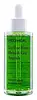
This acne ampoule is formulated around Melaleuca Alternifolia Leaf Water and Centella Asiatica Extract to clear breakouts and calm redness.


What's inside
What's inside
 Key Ingredients
Benefits
Concerns
Ingredients Side-by-side
Melaleuca Alternifolia Leaf Water
Antimicrobial


Butylene Glycol
Humectant

Glycerin
Humectant
1,2-Hexanediol
Skin Conditioning
Diethoxyethyl Succinate
SolventWater
Skin ConditioningCutibacterium Granulosum Ferment Extract Filtrate
EmollientCamellia Sinensis Leaf Extract
Antimicrobial




Melia Azadirachta Leaf Extract
Skin ConditioningPolyglyceryl-10 Laurate
Skin Conditioning

Polyglyceryl-10 Myristate
Skin Conditioning
Acrylates/C10-30 Alkyl Acrylate Crosspolymer
Emulsion StabilisingArginine
Masking
Melia Azadirachta Flower Extract
Skin ConditioningEthylhexylglycerin
Skin ConditioningXylitylglucoside
Humectant
Sclerotium Gum
Emulsion StabilisingAnhydroxylitol
Humectant
Lecithin
Emollient
Xylitol
Humectant
Maltodextrin
Absorbent
Pentylene Glycol
Skin Conditioning
Hydrolyzed Acacia Macrostachya Seed Extract
Skin ConditioningPersea Gratissima Fruit Extract
EmollientGlucose
Humectant
Asiaticoside
Antioxidant
Asiatic Acid
Skin Conditioning
Madecassic Acid
Skin Conditioning
Centella Asiatica Extract
Cleansing
Polygonum Cuspidatum Root Extract
Antioxidant
Scutellaria Baicalensis Root Extract
Astringent
Sodium Hydroxide
BufferingTocopherol
Antioxidant

Glycyrrhiza Glabra Root Extract
Bleaching
4-Terpineol
Masking
Madecassoside
Antioxidant
Caprylic/Capric Triglyceride
Masking
Chamomilla Recutita Flower Extract
Masking
Rosmarinus Officinalis Leaf Extract
AntimicrobialChaenomeles Sinensis Fruit Extract
Antioxidant
Citrus Aurantium Dulcis Flower Extract
Skin ConditioningMelilotus Officinalis Extract
AstringentMedicago Sativa Extract
TonicTriticum Vulgare Germ Extract
Skin ConditioningBrassica Oleracea Italica Extract
AstringentBrassica Oleracea Capitata Leaf Extract
Skin ConditioningBrassica Campestris Extract
Skin ConditioningRaphanus Sativus Seed Extract
Skin ConditioningMelaleuca Alternifolia Leaf Water, Butylene Glycol, Glycerin, 1,2-Hexanediol, Diethoxyethyl Succinate, Water, Cutibacterium Granulosum Ferment Extract Filtrate, Camellia Sinensis Leaf Extract, Melia Azadirachta Leaf Extract, Polyglyceryl-10 Laurate, Polyglyceryl-10 Myristate, Acrylates/C10-30 Alkyl Acrylate Crosspolymer, Arginine, Melia Azadirachta Flower Extract, Ethylhexylglycerin, Xylitylglucoside, Sclerotium Gum, Anhydroxylitol, Lecithin, Xylitol, Maltodextrin, Pentylene Glycol, Hydrolyzed Acacia Macrostachya Seed Extract, Persea Gratissima Fruit Extract, Glucose, Asiaticoside, Asiatic Acid, Madecassic Acid, Centella Asiatica Extract, Polygonum Cuspidatum Root Extract, Scutellaria Baicalensis Root Extract, Sodium Hydroxide, Tocopherol, Glycyrrhiza Glabra Root Extract, 4-Terpineol, Madecassoside, Caprylic/Capric Triglyceride, Chamomilla Recutita Flower Extract, Rosmarinus Officinalis Leaf Extract, Chaenomeles Sinensis Fruit Extract, Citrus Aurantium Dulcis Flower Extract, Melilotus Officinalis Extract, Medicago Sativa Extract, Triticum Vulgare Germ Extract, Brassica Oleracea Italica Extract, Brassica Oleracea Capitata Leaf Extract, Brassica Campestris Extract, Raphanus Sativus Seed Extract
Water
Skin ConditioningGlycerin
Humectant
Butylene Glycol
Humectant
C15-19 Alkane
SolventSqualane
Emollient
Cellulose
Absorbent
C20-22 Alkyl Phosphate
EmulsifyingC20-22 Alcohols
Emulsion Stabilising
Pentylene Glycol
Skin Conditioning
1,2-Hexanediol
Skin Conditioning
Caprylyl Glycol
Emollient
Carnosine
Skin Conditioning
Polyacrylate Crosspolymer-6
Emulsion StabilisingMaltodextrin
Absorbent
Xanthan Gum
EmulsifyingMannitol
Humectant
Xylitol
Humectant
Tocopherol
Antioxidant
Salvia Miltiorrhiza Root Extract
Skin ConditioningRhamnose
HumectantBiosaccharide Gum-1
Humectant
Citric Acid
Buffering
Glycine Soja Oil
Emollient



Hydrolyzed Hyaluronic Acid
Humectant
Sodium Hydroxide
BufferingPalmitoyl Tetrapeptide-10
Skin Conditioning
Water, Glycerin, Butylene Glycol, C15-19 Alkane, Squalane, Cellulose, C20-22 Alkyl Phosphate, C20-22 Alcohols, Pentylene Glycol, 1,2-Hexanediol, Caprylyl Glycol, Carnosine, Polyacrylate Crosspolymer-6, Maltodextrin, Xanthan Gum, Mannitol, Xylitol, Tocopherol, Salvia Miltiorrhiza Root Extract, Rhamnose, Biosaccharide Gum-1, Citric Acid, Glycine Soja Oil, Hydrolyzed Hyaluronic Acid, Sodium Hydroxide, Palmitoyl Tetrapeptide-10
Reviews
Ingredients Explained
These ingredients are found in both products.
Ingredients higher up in an ingredient list are typically present in a larger amount.
1,2-Hexanediol is a synthetic liquid and another multi-functional powerhouse.
It is a:
- Humectant, drawing moisture into the skin
- Emollient, helping to soften skin
- Solvent, dispersing and stabilizing formulas
- Preservative booster, enhancing the antimicrobial activity of other preservatives
Butylene Glycol (or BG) is used within cosmetic products for a few different reasons:
Overall, Butylene Glycol is a safe and well-rounded ingredient that works well with other ingredients.
Though this ingredient works well with most skin types, some people with sensitive skin may experience a reaction such as allergic rashes, closed comedones, or itchiness.
Learn more about Butylene GlycolGlycerin (or glycerol) is a compound naturally found in your skin. It's a powerhouse humectant that pulls water into the stratum corneum.
Topically, glycerin does several things at once:
Your skin makes glycerin on its own (mostly from sebaceous oil breakdown) and shuttles it to your outermost layer of skin, or your epidermis, via aquaporin-3.
Aquaporin-3 is a transporter that is essential for normal skin hydration, elasticity, and repair. Interestingly, mice lacking in AQP3 have dry and less elastic skin that can be fully corrected with glycerin.
This ingredient is non-irritating, plays well with almost every ingredient, and works across all skin types. Typical use is anywhere between 3-10% but can go up to 79% in some leave-on products.
Just know very high concentrations (>40%) can feel tacky in low humidity.
Glycerin is the name for this ingredient in American English. British English uses Glycerol/Glycerine.
Learn more about GlycerinMaltodextrin is a plant-derived carbohydrate made by breaking down starch (usually from corn, potato, or rice). In cosmetic formulas, it's a multitasking absorbent, emulsion stabilizer, and skin conditioner.
This ingredient is mostly used to stabilize emulsions and improve the powdery, non-greasy feel of products (like dry shampoos).
Safety-wise, this ingredient is pretty solid; it's even recognized as a food additive. Both animal and clinical studies found no adverse effects at the levels used in cosmetics.
Industry data shows this ingredient is used up to 45.7% in spray products and up to 33% in powder products.
Learn more about MaltodextrinPentylene Glycol (1,2-pentanediol) is a multitasking little diol with three main roles in a formula:
Research on alkanediols (the family pentylene glycol belongs to) show they work by disrupting microbial cell membranes. This disruption helps the primary preservative system in a product work more effectively at lower doses.
On the safety side, the Cosmetic Ingredient Review Expert Panel has concluded this ingredient to be safe as used in current cosmetic practices + concentrations.
Typical use levels in a formula run about 1-5%.
Learn more about Pentylene GlycolSodium Hydroxide is also known as lye or caustic soda. It is used to adjust the pH of products; many ingredients require a specific pH to be effective.
In small amounts, sodium hydroxide is considered safe to use. However, large amounts may cause chemical burns due to its high alkaline.
Your skin has a natural pH and acid mantle. This acid mantle helps prevent harmful bacteria from breaking through. The acid mantle also helps keep your skin hydrated.
"Alkaline" refers to a high pH level. A low pH level would be considered acidic.
Learn more about Sodium HydroxideTocopherol is a fat-soluble antioxidant known as Vitamin E.
You'll find this ingredient in the vast majority of skincare (for good reason). It works to neutralize free radicals, or unstable molecules generated by UV exposure, pollution, and other environmental stressors, before they can cause oxidative damage to your skin cells.
Topically applied tocopherol has been shown to protect against UV damage by ramping up the skin's own natural defense enzymes.
It also acts as a skin conditioning agent; some studies show that regular topical use can improve the skin's water-binding capacity over 2-4 weeks.
This ingredient is especially loved for being a team player. When combined with Vitamin C, the photoprotective effect of both ingredients roughly doubles and the combo also helps reduce UV-induced DNA damage.
This ingredient has some brightening potential but it's more of a prevention ingredient than spot-fader. Cell studies show it can slow down melanin production but it's worth noting that it's not the most powerful brightener out there.
In formulations, it also serves as a stabilizer that helps protect other oxidation-prone ingredients from degrading.
Concentrations usually range from 0.1-1% in most leave-on products.
Learn more about TocopherolWater. It's the most common cosmetic ingredient of all. You'll usually see it at the top of ingredient lists, meaning that it makes up the largest part of the product.
So why is it so popular? Water most often acts as a solvent - this means that it helps dissolve other ingredients into the formulation.
You'll also recognize water as that liquid we all need to stay alive. If you see this, drink a glass of water. Remember to stay hydrated!
Learn more about WaterXylitol is a humectant and prebiotic. It can help with dry skin.
In studies, xylitol has been shown to improve dry skin. It decreased transepidermal water loss, or when water passes through the skin and evaporates. Xylitol also showed to help improve the biomechanical properties of the skin barrier.
The prebiotic property of xylitol may also help reinforce our skin's natural microbiome. Having a healthy microbiome prevents infection by bad bacteria and helps with hydration.
As a humectant, Xylitol helps draw moisture from both the air and from deeper skin layers. This helps keep skin hydrated.
Xylitol is a sugar alcohol and commonly used as a sugar substitute. It is naturally occurring in plants such as strawberries and pumpkin.
Learn more about Xylitol

