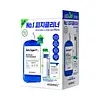
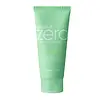
MEDI-PEEL Extra Super 9 Plus 3X Blackhead Care Solution Versus Banila Co Clean It Zero Tea Tree Pore Peeling Gel
This pore-care exfoliator is formulated around Salicylic Acid and Gluconolactone to refine the look of pores and balance excess oil.
This pore-care exfoliator is formulated around Cellulose and Betaine Salicylate to refine the look of pores and refine skin texture.

What's inside
What's inside
 Key Ingredients
Benefits
Concerns
Ingredients Side-by-side
Water
Skin ConditioningTromethamine
BufferingGlycerin
Humectant


Juniperus Communis Fruit Extract
Perfuming
Saponaria Officinalis Root Extract
Skin ConditioningSalvia Officinalis Leaf Extract
CleansingMentha Piperita Leaf Extract
Skin ConditioningViscum Album Extract
Skin ConditioningArctium Majus Root Extract
Skin Conditioning
Hypericum Perforatum Extract
AntimicrobialHamamelis Virginiana Water
Astringent



Melissa Officinalis Leaf Extract
Skin ConditioningPolyglyceryl-10 Myristate
Skin Conditioning
Butylene Glycol
Humectant
Hydroxyacetophenone
Antioxidant
Dipropylene Glycol
HumectantCaprylyl Glycol
Emollient
Betaine
Humectant
Disodium EDTA
Chelating1,2-Hexanediol
Skin Conditioning
Sodium Hyaluronate
Humectant


Carica Papaya Fruit Extract
Skin ConditioningTerminalia Ferdinandiana Fruit Extract
Antioxidant
Chamomilla Recutita Flower Extract
Masking
Portulaca Oleracea Extract
Skin Conditioning
Polygonum Cuspidatum Root Extract
Antioxidant
Gardenia Florida Fruit Extract
Skin ConditioningEuterpe Oleracea Fruit Extract
Myrciaria Dubia Fruit Extract
Skin ConditioningTerminalia Chebula Fruit Extract
Skin ConditioningButyl Avocadate
Skin Conditioning
Ethylhexylglycerin
Skin ConditioningCentella Asiatica Extract
Cleansing
Salicylic Acid
Masking





Gluconolactone
Chelating
Magnolia Kobus Bark Extract
Skin ConditioningAcetyl Hexapeptide-8
Humectant
Copper Tripeptide-1
Skin Conditioning
Palmitoyl Pentapeptide-4
Skin Conditioning
Tripeptide-1
Skin Conditioning
Palmitoyl Tripeptide-1
Skin Conditioning
Hexapeptide-9
Skin Conditioning
Tocopherol
Antioxidant

Nonapeptide-1
Skin Conditioning
Lactic Acid
Buffering
Citric Acid
Buffering
Parfum
Masking
Water, Tromethamine, Glycerin, Juniperus Communis Fruit Extract, Saponaria Officinalis Root Extract, Salvia Officinalis Leaf Extract, Mentha Piperita Leaf Extract, Viscum Album Extract, Arctium Majus Root Extract, Hypericum Perforatum Extract, Hamamelis Virginiana Water, Melissa Officinalis Leaf Extract, Polyglyceryl-10 Myristate, Butylene Glycol, Hydroxyacetophenone, Dipropylene Glycol, Caprylyl Glycol, Betaine, Disodium EDTA, 1,2-Hexanediol, Sodium Hyaluronate, Carica Papaya Fruit Extract, Terminalia Ferdinandiana Fruit Extract, Chamomilla Recutita Flower Extract, Portulaca Oleracea Extract, Polygonum Cuspidatum Root Extract, Gardenia Florida Fruit Extract, Euterpe Oleracea Fruit Extract, Myrciaria Dubia Fruit Extract, Terminalia Chebula Fruit Extract, Butyl Avocadate, Ethylhexylglycerin, Centella Asiatica Extract, Salicylic Acid, Gluconolactone, Magnolia Kobus Bark Extract, Acetyl Hexapeptide-8, Copper Tripeptide-1, Palmitoyl Pentapeptide-4, Tripeptide-1, Palmitoyl Tripeptide-1, Hexapeptide-9, Tocopherol, Nonapeptide-1, Lactic Acid, Citric Acid, Parfum
Water
Skin ConditioningDipropylene Glycol
HumectantCellulose
Absorbent
Isostearamidopropyl Ethyldimonium Ethosulfate
Propylene Glycol
Humectant
Glycerin
Humectant
1,2-Hexanediol
Skin Conditioning
Carbomer
Emulsion StabilisingAcrylates/C10-30 Alkyl Acrylate Crosspolymer
Emulsion StabilisingCaprylyl Glycol
Emollient
Melaleuca Alternifolia Leaf Powder
Abrasive
C12-14 Alketh-12
EmulsifyingAllantoin
Skin Conditioning
Parfum
Masking
Melia Azadirachta Leaf Extract
Skin ConditioningDisodium EDTA
ChelatingMelia Azadirachta Flower Extract
Skin ConditioningBetaine Salicylate
Antimicrobial
Capryloyl Salicylic Acid
Exfoliating
Citric Acid
Buffering
Gluconolactone
Chelating
Sodium Citrate
BufferingSolanum Lycopersicum Fruit Extract
Antioxidant
Sodium Hyaluronate
Humectant
Caffeine
Skin Conditioning
Hydroxypropyltrimonium Hyaluronate
Hydrolyzed Hyaluronic Acid
Humectant
Sodium Acetylated Hyaluronate
Humectant
Hyaluronic Acid
Humectant
Sodium Hyaluronate Crosspolymer
Humectant
Potassium Hyaluronate
Skin ConditioningWater, Dipropylene Glycol, Cellulose, Isostearamidopropyl Ethyldimonium Ethosulfate, Propylene Glycol, Glycerin, 1,2-Hexanediol, Carbomer, Acrylates/C10-30 Alkyl Acrylate Crosspolymer, Caprylyl Glycol, Melaleuca Alternifolia Leaf Powder, C12-14 Alketh-12, Allantoin, Parfum, Melia Azadirachta Leaf Extract, Disodium EDTA, Melia Azadirachta Flower Extract, Betaine Salicylate, Capryloyl Salicylic Acid, Citric Acid, Gluconolactone, Sodium Citrate, Solanum Lycopersicum Fruit Extract, Sodium Hyaluronate, Caffeine, Hydroxypropyltrimonium Hyaluronate, Hydrolyzed Hyaluronic Acid, Sodium Acetylated Hyaluronate, Hyaluronic Acid, Sodium Hyaluronate Crosspolymer, Potassium Hyaluronate
Ingredients Explained
These ingredients are found in both products.
Ingredients higher up in an ingredient list are typically present in a larger amount.
1,2-Hexanediol is a synthetic liquid and another multi-functional powerhouse.
It is a:
- Humectant, drawing moisture into the skin
- Emollient, helping to soften skin
- Solvent, dispersing and stabilizing formulas
- Preservative booster, enhancing the antimicrobial activity of other preservatives
Caprylyl Glycol is a humectant, skin conditioner, emollient, and preservative booster derived from either caprylic acid or synthetically created.
Typical use levels vary from 0.3-1% as a preservative booster and go up to 2% to condition skin.
Because it is not a free-fatty acid, this ingredient is fungal acne safe (there's nothing for Malassezia to feed on).
Learn more about Caprylyl GlycolCitric Acid is an alpha hydroxy acid (AHA) naturally found in citrus fruits like oranges, lemons, and limes.
Like other AHAs, citric acid can exfoliate skin by breaking down the bonds that hold dead skin cells together. This helps reveal smoother and brighter skin underneath.
However, this exfoliating effect only happens at high concentrations (20%) which can be hard to find in cosmetic products.
Due to this, citric acid is usually included in small amounts as a pH adjuster. This helps keep products slightly more acidic and compatible with skin's natural pH.
In skincare formulas, citric acid can:
While it can provide some skin benefits, research shows lactic acid and glycolic acid are generally more effective and less irritating exfoliants.
Most citric acid used in skincare today is made by fermenting sugars (usually from molasses). This synthetic version is identical to the natural citrus form but easier to stabilize and use in formulations.
Rosacea skin has a lower threshold for acids generally, with 62.5% of rosacea subjects in one study reacting to lactic acid in a sting test. This is why we mark citric acid as a potential rosacea trigger.
However, this ingredient shows up as a pH adjuster or chelator at roughly 0.1-1% in many products. These low levels are unlikely to be an issue for rosacea skin and becomes a potential trigger at exfoliating concentrations (20%). Because everybody's skin is unique, we recommend a patch test if you are unsure.
Learn more about Citric AcidDipropylene Glycol is a synthetically created humectant, stabilizer, and solvent.
This ingredient helps:
Dipropylene glycol is technically an alcohol, but it belongs to the glycol family (often considered part of the ‘good’ alcohols). This means it is hydrating and gentle on skin unlike drying solvent alcohols like denatured alcohol.
As a masking agent, Dipropylene Glycol can be used to cover the smell of other ingredients. However, it does not have a scent.
Studies show Dipropylene Glycol is considered safe to use in skincare.
Learn more about Dipropylene GlycolDisodium EDTA is a chelating agent. It grabs onto and deactivates metal ions that sneak into your products from water, packaging, or air.
This ingredient mainly works behind the scenes and helps with:
On top of that, this ingredient can counteract the effects of hard water by binding to the minerals in it.
One thing worth knowing is that Disodium EDTA has been shown to be a mild penetration enhancer. It can help other ingredients absorb into skin more effectively which can be a double-edged sword (great for actives, but can also make the active too strong if you have sensitive skin).
Clinical patch testing showed no significant skin irritation at typical use concentrations and minimal dermal absorption.
You'll most likely see this ingredient near the end of an ingredient list. It's typically found in concentrations less than 1%.
Learn more about Disodium EDTAGluconolactone is a PHA. PHAs are a great gentle alternative to traditional AHAs.
When applied, Gluconolactone has the same affect on skin as AHAs such as lactic acid. It helps dissolve the dead skin cells in the top layer of your skin. This improves texture and brightens the skin.
PHAs are more gentle than AHAs due to their larger structure. They do not penetrate as deeply as AHAs and take a longer time to dissolve dead cells. Studies show PHAs do not cause as much irritation.
Gluconolactone has some interesting properties:
In a 2004 study, Gluconolactone was found to prevent UV damage in mouse skin cells and has not been found to increase sun sensitivity. However, we still recommend wearing SPF daily.
This ingredient is is an created by reacting gluconic acid with an alcohol.
Learn more about GluconolactoneGlycerin (or glycerol) is a compound naturally found in your skin. It's a powerhouse humectant that pulls water into the stratum corneum.
Topically, glycerin does several things at once:
Your skin makes glycerin on its own (mostly from sebaceous oil breakdown) and shuttles it to your outermost layer of skin, or your epidermis, via aquaporin-3.
Aquaporin-3 is a transporter that is essential for normal skin hydration, elasticity, and repair. Interestingly, mice lacking in AQP3 have dry and less elastic skin that can be fully corrected with glycerin.
This ingredient is non-irritating, plays well with almost every ingredient, and works across all skin types. Typical use is anywhere between 3-10% but can go up to 79% in some leave-on products.
Just know very high concentrations (>40%) can feel tacky in low humidity.
Glycerin is the name for this ingredient in American English. British English uses Glycerol/Glycerine.
Learn more about GlycerinParfum is a catch-all term for an ingredient or more that is used to give a scent to products.
Also called "fragrance", this ingredient can be a blend of hundreds of chemicals or plant oils. This means every product with "fragrance" or "parfum" in the ingredients list is a different mixture.
For instance, Habanolide is a proprietary trade name for a specific aroma chemical. When used as a fragrance ingredient in cosmetics, most aroma chemicals fall under the broad labeling category of “FRAGRANCE” or “PARFUM” according to EU and US regulations.
The term 'parfum' or 'fragrance' is not regulated in many countries. In many cases, it is up to the brand to define this term.
For instance, many brands choose to label themselves as "fragrance-free" because they are not using synthetic fragrances. However, their products may still contain ingredients such as essential oils that are considered a fragrance by INCI standards.
One example is Calendula flower extract. Calendula is an essential oil that still imparts a scent or 'fragrance'.
Depending on the blend, the ingredients in the mixture can cause allergies and sensitivities on the skin. Some ingredients that are known EU allergens include linalool and citronellol.
Parfum can also be used to mask or cover an unpleasant scent.
The bottom line is: not all fragrances/parfum/ingredients are created equally. If you are worried about fragrances, we recommend taking a closer look at an ingredient. And of course, we always recommend speaking with a professional.
Learn more about ParfumSodium Hyaluronate is the salt form of hyaluronic acid. It is a long sugar chain that is naturally found in your skin, joints, and connective tissue that maintains hydration and elasticity.
In skincare, it works as a humectant. It pulls water from the environment and deeper layers of skin and binds it to the surface.
Interestingly, the size of the molecule affects its behavior:
Some clinical evidence links low molecular weight versions to improved wrinkle depth, elasticity, anti-inflammatory effects, and barrier repair.
Many serums use a blend of both weights so you can get surface hydration plus longer-lasting and deeper effects.
You'll typically see concentrations between 0.1-2% for this ingredient.
Learn more about Sodium HyaluronateWater. It's the most common cosmetic ingredient of all. You'll usually see it at the top of ingredient lists, meaning that it makes up the largest part of the product.
So why is it so popular? Water most often acts as a solvent - this means that it helps dissolve other ingredients into the formulation.
You'll also recognize water as that liquid we all need to stay alive. If you see this, drink a glass of water. Remember to stay hydrated!
Learn more about Water

