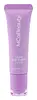
This barrier-repair lip moisturizer is formulated around Bis-Diglyceryl Polyacyladipate-2 and Butyrospermum Parkii Butter to strengthen the lip barrier and hydrate lips.
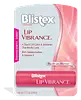
This lip moisturizer is formulated around Vitis Vinifera Seed Oil and Butyrospermum Parkii Butter to hydrate lips.


What's inside
What's inside
 Key Ingredients
Benefits
Concerns
Ingredients Side-by-side
Paraffinum Liquidum
Emollient


Hydrogenated Microcrystalline Wax
Emulsion StabilisingParaffin
Skin Conditioning
Polybutene
Hydrogenated Polyisobutene
EmollientBis-Diglyceryl Polyacyladipate-2
Emollient


Pentaerythrityl Adipate/Caprate/Caprylate/Heptanoate
EmollientEthylene/Propylene/Styrene Copolymer
Microcrystalline Wax
Emulsion StabilisingSodium Saccharin
MaskingButyrospermum Parkii Butter
Skin Conditioning


Astrocaryum Murumuru Seed Butter
Emollient
Prunus Amygdalus Dulcis Oil
Skin Conditioning
Coffea Arabica Seed Oil
Masking
Tocopherol
Antioxidant





Water
Skin ConditioningPropanediol
Solvent
Lycium Chinense Fruit Extract
Antioxidant
Butylene Glycol
Humectant
Citrus Aurantium Dulcis Fruit Extract
MaskingActinidia Chinensis Fruit Extract
EmollientGlycerin
Humectant
Citrus Paradisi Fruit Extract
Skin ConditioningEthylhexylglycerin
Skin ConditioningParfum
Masking

Citral
Perfuming
Citronellol
Perfuming
Eugenol
Perfuming
Geraniol
Perfuming
Hydroxycitronellal
Perfuming
Limonene
Perfuming
Linalool
Perfuming
Amyl Cinnamal
Perfuming
Caprylyl Glycol
Emollient
Phenoxyethanol
Preservative
Paraffinum Liquidum, Hydrogenated Microcrystalline Wax, Paraffin, Polybutene, Hydrogenated Polyisobutene, Bis-Diglyceryl Polyacyladipate-2, Pentaerythrityl Adipate/Caprate/Caprylate/Heptanoate, Ethylene/Propylene/Styrene Copolymer, Microcrystalline Wax, Sodium Saccharin, Butyrospermum Parkii Butter, Astrocaryum Murumuru Seed Butter, Prunus Amygdalus Dulcis Oil, Coffea Arabica Seed Oil, Tocopherol, Water, Propanediol, Lycium Chinense Fruit Extract, Butylene Glycol, Citrus Aurantium Dulcis Fruit Extract, Actinidia Chinensis Fruit Extract, Glycerin, Citrus Paradisi Fruit Extract, Ethylhexylglycerin, Parfum, Citral, Citronellol, Eugenol, Geraniol, Hydroxycitronellal, Limonene, Linalool, Amyl Cinnamal, Caprylyl Glycol, Phenoxyethanol
Pentaerythrityl Tetraethylhexanoate
Emollient
Petrolatum
Emollient
Paraffinum Liquidum
Emollient
Phenyl Trimethicone
Skin Conditioning
Hydrogenated Polyisobutene
EmollientMicrocrystalline Wax
Emulsion StabilisingParaffin
Skin Conditioning
Ozokerite
Emulsion StabilisingPolybutene
Vitis Vinifera Seed Oil
Emollient
Bis-Diglyceryl Polyacyladipate-2
Emollient
Butyrospermum Parkii Butter
Skin Conditioning
Dimethicone
Emollient
Aroma
Mica
Cosmetic ColorantArachidyl Alcohol
Emollient
Arachidyl Glucoside
EmulsifyingBehenyl Alcohol
Emollient
Phenoxyethanol
Preservative
Ricinus Communis Seed Oil
Masking
Saccharin
MaskingTocopheryl Acetate
Antioxidant
CI 45410
Cosmetic ColorantIron Oxides
Titanium Dioxide
Cosmetic Colorant

Pentaerythrityl Tetraethylhexanoate, Petrolatum, Paraffinum Liquidum, Phenyl Trimethicone, Hydrogenated Polyisobutene, Microcrystalline Wax, Paraffin, Ozokerite, Polybutene, Vitis Vinifera Seed Oil, Bis-Diglyceryl Polyacyladipate-2, Butyrospermum Parkii Butter, Dimethicone, Aroma, Mica, Arachidyl Alcohol, Arachidyl Glucoside, Behenyl Alcohol, Phenoxyethanol, Ricinus Communis Seed Oil, Saccharin, Tocopheryl Acetate, CI 45410, Iron Oxides, Titanium Dioxide
Reviews
Ingredients Explained
These ingredients are found in both products.
Ingredients higher up in an ingredient list are typically present in a larger amount.
Bis-Diglyceryl Polyacyladipate-2 is a synthetic emollient that works as a lanolin substitute.
This ingredient is a great vegan option for those avoiding animal-derived ingredients.
It mostly stays on the surface of skin where it helps hydrate due to its large molecular size and low water solubility.
Due to it being derived from fatty acids, this ingredient may not be Malassezia or fungal acne safe.
Learn more about Bis-Diglyceryl Polyacyladipate-2This ingredient is also known as shea butter. It is a plant-derived extract from the nuts of the Africa shea tree and one of the most well-studied emollients.
Because it has a high concentration of fatty acids (primarily oleic, stearic, and linoleic) it is able to form a protective barrier on the skin's surface. This helps seal in moisture and prevents transepidermal water loss (TEWL).
In vitro research found an increase in skin hydration by 58% and a decrease in TEWL by 37.8% after 24 hours of applying this ingredient (pretty impressive for a single ingredient!).
Besides hydration, shea butter also contains triterpenes that have anti-inflammatory potential. In particule, lupeol cinnamate has shown the highest anti-inflammatory activity in vivo.
Shea butter also contains vitamins A and E which may contribute to antioxidant activity.
While Shea Butter has an SPF rating of about 3-4, it is not a sunscreen replacement.
This ingredient may not be fungal acne safe because its fatty acids fall within the C11-C24 range that the Malassezia yeast can metabolize.
This ingredient shows up on a lot of "pore-clogging" lists but there's no real evidence behind that. It doesn't even have a comedogenic rating from an actual study; the numbers you'll find online come from blogs citing other blogs.
Ratings for other ingredients mostly come from a 1980s rabbit ear test. This test doesn't translate well to human skin or to real products because the ingredient sits at a much lower percentage.
Some people still find it breaks them out. So if that's you, definitely trust your skin. Just know this one's based on experience and not evidence.
Learn more about Butyrospermum Parkii ButterHydrogenated Polyisobutene is a synthetic polymer. Polymers are compounds with high molecular weight. Hydrogenated Polyisobutene is an emollient and texture enhancer.
In one study, Hydrogenated Polyisobutene showed better skin hydration levels than Caprylic/Capric Triglyceride. As an emollient, it helps keep your skin soft and hydrated by trapping moisture in.
Hydrogenated Polyisobutene is often used as a mineral oil replacement.
Learn more about Hydrogenated PolyisobuteneMicrocrystalline Wax is derived from petroleum through a de-oiling process, then highly refined and purified before use in cosmetics.
In skincare formulations, it is used to improve texture and create a smooth, even consistency. It also helps stabilize products by preventing ingredients from separating.
Paraffin is a solid wax that pulls its weight as an emollient, occlusive, and consistency-booster.
It softens skin and lays down a protective film to slow water loss and gives products a stable body and structure.
The cosmetic grade stuff is highly refined with a solid safety record. The CIR Expert Panel has repeatedly reaffirmed this ingredient to be safe in current practices of use and concentration.
The worry about carcinogenic compounds only applies to industrial grades, not the purified version used in skincare.
Despite its reputation, the highly reformed form is non-comedogenic and doesn't penetrate deeply into skin.
The good news for fungal-acne prone folks: the Malassezia yeast feeds on fatty acids and lipids and paraffin doesn't contain any of these (so there's nothing for the yeast to metabolize). This ingredient is considered fungal acne safe.
Learn more about ParaffinParaffinum Liquidum is a highly-refined cosmetic-grade mineral oil. It is also known as liquid paraffin.
Despite its controversial reputation, the science is pretty clear: it's one of the most well-studied and effective moisturizing ingredients out there.
As an occlusive, it forms a protective layer on the skin that locks in moisture and prevents transepidermal water loss (TEWL). This makes it especially great for compromised skin barriers.
The "it clogs your pores" myth has been around for decades; a study found that industrial-grade mineral oil may be comedogenic but cosmetic-grade mineral oil is not (these two are very, very different).
A 2017 review concluded that cosmetic use of mineral oils and waxes does not present a risk to consumers due to absorption.
Mineral oil got a bad rap from the old rabbit ear studies. When tested on actual human skin, cosmetic-grade mineral oil showed no comedogenic activity. The rating of 0 is a correction of outdated science.
Mineral oil is an inert substance with no fatty acids so there's nothing to feed Malassezia. This ingredient is fungal acne safe.
Learn more about Paraffinum LiquidumPhenoxyethanol is one of the most widely used preservatives in skincare (and for good reason!).
It has a large spectrum of antimicrobial activity and especially effective bacteria, yeast, and mold while only having a weak effect on your skin's natural microbiome.
On a cellular level, it disrupts the cell membranes of microbes by poking holes that make the cell leak. This shuts down the chemical reactions the microbe needs to make energy so it can no longer survive.
Another perk of this ingredient is that it stays functional across a wide pH range (3-10).
You'll often see it paired with boosters like Ethylhexylglycerin; one study showed that a 1:9 ratio of Ethylhexylglycerin to Phenoxyethanol damages bacterial membranes as effectively as doubling the Phenoxyethanol concentration on its own.
Typical use concentrations range from 0.3-1% depending on the formula, and this ingredient is capped at 1% int the EU.
Safety-wise, the fear mongering does not hold up to the evidence. The EU's Scientific Committee on Consumer Safety and FDA consider it safe as a preservative at up to 1%, including for children of all ages.
Adverse systemic effects only showed up in animal studies at exposures roughly 200x higher than what people get from cosmetics. And despite its very widespread use, this ingredient is a rare sensitizer and allergic reactions are uncommon.
Learn more about PhenoxyethanolPolybutene is used to help control the viscosity of a product. This just means it helps adjusts the texture.
It is a polymer and does not get absorbed into the skin due to its large size.
Studies found this ingredient did not irritate skin in concentrations below 15%.
Learn more about Polybutene

