
What's inside
What's inside
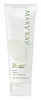 Key Ingredients
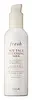
Benefits
Concerns
Ingredients Side-by-side
Water
Skin ConditioningHelianthus Annuus Seed Oil
Emollient


Glycerin
Humectant

Cetearyl Ethylhexanoate
Emollient
Dicaprylyl Carbonate
EmollientGlyceryl Isostearate
Emollient
Glyceryl Stearate
Emollient
PEG-8
HumectantStearic Acid
Cleansing
PEG-100 Stearate
Surfactant
Plumeria Alba Flower Extract
Skin ConditioningNymphaea Gigantea Flower Extract
Antioxidant

Silybum Marianum Fruit Extract
Skin Conditioning
Momordica Grosvenorii Fruit Extract
Antioxidant
C14-22 Alcohols
Emulsion Stabilising
C12-20 Alkyl Glucoside
EmulsifyingTocopherol
Antioxidant



Butylene Glycol
Humectant
Triethanolamine
BufferingCarbomer
Emulsion StabilisingXanthan Gum
EmulsifyingPEG-4 Laurate
Emulsifying
Disodium EDTA
Sodium Benzoate
Masking
Phenoxyethanol
Preservative
Iodopropynyl Butylcarbamate
Preservative
Methylparaben
Preservative


DMDM Hydantoin
Preservative
Water, Helianthus Annuus Seed Oil, Glycerin, Cetearyl Ethylhexanoate, Dicaprylyl Carbonate, Glyceryl Isostearate, Glyceryl Stearate, PEG-8, Stearic Acid, PEG-100 Stearate, Plumeria Alba Flower Extract, Nymphaea Gigantea Flower Extract, Silybum Marianum Fruit Extract, Momordica Grosvenorii Fruit Extract, C14-22 Alcohols, C12-20 Alkyl Glucoside, Tocopherol, Butylene Glycol, Triethanolamine, Carbomer, Xanthan Gum, PEG-4 Laurate, Disodium EDTA, Sodium Benzoate, Phenoxyethanol, Iodopropynyl Butylcarbamate, Methylparaben, DMDM Hydantoin
Water
Skin ConditioningCaprylic/Capric Triglyceride
Masking
Caprylic/Capric/Succinic Triglyceride
EmollientGlycerin
Humectant
Pentylene Glycol
Skin Conditioning
Hydrogenated Palm Kernel Glycerides
EmollientGlycine Soja Oil
Emollient

Xanthan Gum
EmulsifyingHydrogenated Palm Glycerides
Emollient
Rosa Damascena Flower Water
Masking
Hydrolyzed Soy Protein
Humectant
Cucumis Sativus Fruit Extract
Emollient
Centaurea Cyanus Flower Extract
Astringent
Hibiscus Sabdariffa Flower Extract
Skin ConditioningRosa Damascena Flower Oil
Masking

Tocopheryl Acetate
Antioxidant
Steareth-21
CleansingCetyl Alcohol
Emollient
Stearyl Alcohol
Emollient
Lauryl Glucoside
CleansingPolyglyceryl-2 Dipolyhydroxystearate
Skin Conditioning
Behenyl Alcohol
Emollient
Ceteareth-20
CleansingCaprylyl Glycol
Emollient
Polyacrylate-13
Acrylates/C10-30 Alkyl Acrylate Crosspolymer
Emulsion StabilisingPolyisobutene
Tetrasodium EDTA
Sorbitan Isostearate
Emulsifying
Caramel
Cosmetic ColorantPolysorbate 20
Emulsifying
Sodium Hydroxide
BufferingMagnesium Aluminum Silicate
Absorbent
Sorbic Acid
Preservative
Parfum
Masking

BHT
Antioxidant
Phenoxyethanol
Preservative
Citronellol
Perfuming
Geraniol
Perfuming
Water, Caprylic/Capric Triglyceride, Caprylic/Capric/Succinic Triglyceride, Glycerin, Pentylene Glycol, Hydrogenated Palm Kernel Glycerides, Glycine Soja Oil, Xanthan Gum, Hydrogenated Palm Glycerides, Rosa Damascena Flower Water, Hydrolyzed Soy Protein, Cucumis Sativus Fruit Extract, Centaurea Cyanus Flower Extract, Hibiscus Sabdariffa Flower Extract, Rosa Damascena Flower Oil, Tocopheryl Acetate, Steareth-21, Cetyl Alcohol, Stearyl Alcohol, Lauryl Glucoside, Polyglyceryl-2 Dipolyhydroxystearate, Behenyl Alcohol, Ceteareth-20, Caprylyl Glycol, Polyacrylate-13, Acrylates/C10-30 Alkyl Acrylate Crosspolymer, Polyisobutene, Tetrasodium EDTA, Sorbitan Isostearate, Caramel, Polysorbate 20, Sodium Hydroxide, Magnesium Aluminum Silicate, Sorbic Acid, Parfum, BHT, Phenoxyethanol, Citronellol, Geraniol
Ingredients Explained
These ingredients are found in both products.
Ingredients higher up in an ingredient list are typically present in a larger amount.
Glycerin (or glycerol) is a compound naturally found in your skin. It's a powerhouse humectant that pulls water into the stratum corneum.
Topically, glycerin does several things at once:
Your skin makes glycerin on its own (mostly from sebaceous oil breakdown) and shuttles it to your outermost layer of skin, or your epidermis, via aquaporin-3.
Aquaporin-3 is a transporter that is essential for normal skin hydration, elasticity, and repair. Interestingly, mice lacking in AQP3 have dry and less elastic skin that can be fully corrected with glycerin.
This ingredient is non-irritating, plays well with almost every ingredient, and works across all skin types. Typical use is anywhere between 3-10% but can go up to 79% in some leave-on products.
Just know very high concentrations (>40%) can feel tacky in low humidity.
Glycerin is the name for this ingredient in American English. British English uses Glycerol/Glycerine.
Learn more about GlycerinPhenoxyethanol is a preservative that has germicide, antimicrobial, and aromatic properties. Studies show that phenoxyethanol can prevent microbial growth. By itself, it has a scent that is similar to that of a rose.
It's often used in formulations along with Caprylyl Glycol to preserve the shelf life of products.
Water. It's the most common cosmetic ingredient of all. You'll usually see it at the top of ingredient lists, meaning that it makes up the largest part of the product.
So why is it so popular? Water most often acts as a solvent - this means that it helps dissolve other ingredients into the formulation.
You'll also recognize water as that liquid we all need to stay alive. If you see this, drink a glass of water. Remember to stay hydrated!
Learn more about WaterXanthan gum is used as a stabilizer and thickener within cosmetic products. It helps give products a sticky, thick feeling - preventing them from being too runny.
On the technical side of things, xanthan gum is a polysaccharide - a combination consisting of multiple sugar molecules bonded together.
Xanthan gum is a pretty common and great ingredient. It is a natural, non-toxic, non-irritating ingredient that is also commonly used in food products.
Learn more about Xanthan Gum
