

What's inside
What's inside
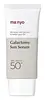 Key Ingredients
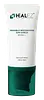
Benefits
Concerns
No concerns
Ingredients Side-by-side
Water
Skin ConditioningGalactomyces Ferment Filtrate 10%
Humectant






Glycerin
Humectant
Butylene Glycol
Humectant
C12-15 Alkyl Benzoate
Antimicrobial1,2-Hexanediol
Skin Conditioning
Diethylamino Hydroxybenzoyl Hexyl Benzoate
UV Filter
Niacinamide
Smoothing





Polymethyl Methacrylate
Behenyl Alcohol
Emollient
Bis-Ethylhexyloxyphenol Methoxyphenyl Triazine
Skin Conditioning
Betula Platyphylla Japonica Juice
Skin Conditioning
Glucose
Humectant
Sodium Hyaluronate
Humectant
Hydrolyzed Hyaluronic Acid
Humectant
Hyaluronic Acid
Humectant
Hydrolyzed Collagen
Emollient
Sodium Hyaluronate Crosspolymer
Humectant
Potassium Hyaluronate
Skin ConditioningSodium Acetylated Hyaluronate
Humectant
Hydroxypropyltrimonium Hyaluronate
Xylitol
Humectant
Xylitylglucoside
Humectant
Ceramide NP
Skin Conditioning
Ammonium Acryloyldimethyltaurate/Beheneth-25 Methacrylate Crosspolymer
Emulsion StabilisingSodium Acrylate/Sodium Acryloyldimethyl Taurate Copolymer
Emulsion StabilisingPolyisobutene
Potassium Cetyl Phosphate
EmulsifyingFructan
Skin ConditioningAnhydroxylitol
Humectant
Pentylene Glycol
Skin Conditioning
Ethylhexylglycerin
Skin ConditioningCaprylic/Capric Triglyceride
Masking
Ascorbyl Tetraisopalmitate
Antioxidant

Hydrogenated Lecithin
Emulsifying
Water, Galactomyces Ferment Filtrate 10%, Glycerin, Butylene Glycol, C12-15 Alkyl Benzoate, 1,2-Hexanediol, Diethylamino Hydroxybenzoyl Hexyl Benzoate, Niacinamide, Polymethyl Methacrylate, Behenyl Alcohol, Bis-Ethylhexyloxyphenol Methoxyphenyl Triazine, Betula Platyphylla Japonica Juice, Glucose, Sodium Hyaluronate, Hydrolyzed Hyaluronic Acid, Hyaluronic Acid, Hydrolyzed Collagen, Sodium Hyaluronate Crosspolymer, Potassium Hyaluronate, Sodium Acetylated Hyaluronate, Hydroxypropyltrimonium Hyaluronate, Xylitol, Xylitylglucoside, Ceramide NP, Ammonium Acryloyldimethyltaurate/Beheneth-25 Methacrylate Crosspolymer, Sodium Acrylate/Sodium Acryloyldimethyl Taurate Copolymer, Polyisobutene, Potassium Cetyl Phosphate, Fructan, Anhydroxylitol, Pentylene Glycol, Ethylhexylglycerin, Caprylic/Capric Triglyceride, Ascorbyl Tetraisopalmitate, Hydrogenated Lecithin
Dibutyl Adipate
EmollientTriethylhexanoin
MaskingZinc Oxide
Cosmetic Colorant
Caprylic Acid
CleansingPhenylbenzimidazole Sulfonic Acid
UV Absorber
Glycerin
Humectant
Diethylamino Hydroxybenzoyl Hexyl Benzoate
UV Filter
Diethylhexyl Butamido Triazone
UV Absorber
Methylene Bis-Benzotriazolyl Tetramethylbutylphenol
UV Filter
Triethanolamine
BufferingDisteardimonium Hectorite
StabilisingInositol
Humectant
Tocopheryl Acetate
Antioxidant
Avena Sativa Seed Extract
Skin ConditioningBisabolol
Antioxidant
Propylene Carbonate
SolventCamellia Sinensis Leaf Extract
Antimicrobial
Phenoxyethanol
Preservative
Cellulose
Absorbent
Decyl Glucoside
Cleansing
Propylene Glycol
Humectant

Xanthan Gum
EmulsifyingEthylhexylglycerin
Skin ConditioningDibutyl Adipate, Triethylhexanoin, Zinc Oxide, Caprylic Acid, Phenylbenzimidazole Sulfonic Acid, Glycerin, Diethylamino Hydroxybenzoyl Hexyl Benzoate, Diethylhexyl Butamido Triazone, Methylene Bis-Benzotriazolyl Tetramethylbutylphenol, Triethanolamine, Disteardimonium Hectorite, Inositol, Tocopheryl Acetate, Avena Sativa Seed Extract, Bisabolol, Propylene Carbonate, Camellia Sinensis Leaf Extract, Phenoxyethanol, Cellulose, Decyl Glucoside, Propylene Glycol, Xanthan Gum, Ethylhexylglycerin
Reviews
Ingredients Explained
These ingredients are found in both products.
Ingredients higher up in an ingredient list are typically present in a larger amount.
Diethylamino Hydroxybenzoyl Hexyl Benzoate (DHHB) is a chemical UV-A absorber. It is formulated for high UVA protection (320-400 nm).
DHHB is well-liked for:
DHHB has been approved by the EU, Japan, Taiwan, and South America for use up to 10%. Unfortunately, it has not been approved for use in the US or Canada due to slow regulatory processes.
This ingredient is soluble in oils, fats, and lipids.
Learn more about Diethylamino Hydroxybenzoyl Hexyl BenzoateEthylhexylglycerin is created from glycerin. It is a multitasker ingredient that:
The CIR Expert Panel found minimal skin absorption or sensitization of any kind in a safety assessment. Though this ingredient is considered well-tolerated, a small number of cases of allergic dermatitis have been published since 2002. Just be sure to patch test if you are unsure.
Industry-reported use ranges from 8% in rinse-off products and 2% in leave-on formulations.
Learn more about EthylhexylglycerinGlycerin (or glycerol) is a compound naturally found in your skin. It's a powerhouse humectant that pulls water into the stratum corneum.
Topically, glycerin does several things at once:
Your skin makes glycerin on its own (mostly from sebaceous oil breakdown) and shuttles it to your outermost layer of skin, or your epidermis, via aquaporin-3.
Aquaporin-3 is a transporter that is essential for normal skin hydration, elasticity, and repair. Interestingly, mice lacking in AQP3 have dry and less elastic skin that can be fully corrected with glycerin.
This ingredient is non-irritating, plays well with almost every ingredient, and works across all skin types. Typical use is anywhere between 3-10% but can go up to 79% in some leave-on products.
Just know very high concentrations (>40%) can feel tacky in low humidity.
Glycerin is the name for this ingredient in American English. British English uses Glycerol/Glycerine.
Learn more about Glycerin
