
What's inside
What's inside
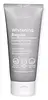 Key Ingredients
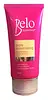
Benefits
Concerns
Ingredients Side-by-side
Water
Skin ConditioningMyristic Acid
Cleansing




Glycerin
Humectant

Potassium Hydroxide
BufferingPalmitic Acid
Emollient
Stearic Acid
Cleansing
Lauramide DEA
Foam BoostingPotassium Cocoyl Glycinate
Surfactant
Cocamidopropyl Betaine
Cleansing
Glyceryl Stearate
Emollient
Benzyl Glycol
SolventPEG-100 Stearate
Surfactant
Niacinamide
Smoothing









Potassium Cocoate
Emulsifying
Glycyrrhiza Glabra Root Extract
Bleaching
Sodium Chloride
MaskingPotassium Chloride
Butylene Glycol
Humectant
1,2-Hexanediol
Skin Conditioning
Glycol
HumectantGlycol Distearate
Emollient
Raspberry Ketone
Masking

Carbomer
Emulsion StabilisingDisodium EDTA
ChelatingLauric Acid
Cleansing
Ethylhexylglycerin
Skin ConditioningParfum
Masking
Water, Myristic Acid, Glycerin, Potassium Hydroxide, Palmitic Acid, Stearic Acid, Lauramide DEA, Potassium Cocoyl Glycinate, Cocamidopropyl Betaine, Glyceryl Stearate, Benzyl Glycol, PEG-100 Stearate, Niacinamide, Potassium Cocoate, Glycyrrhiza Glabra Root Extract, Sodium Chloride, Potassium Chloride, Butylene Glycol, 1,2-Hexanediol, Glycol, Glycol Distearate, Raspberry Ketone, Carbomer, Disodium EDTA, Lauric Acid, Ethylhexylglycerin, Parfum
Water
Skin ConditioningCocamidopropyl Betaine
Cleansing
Sodium Laureth Sulfate
Cleansing
Glycerin
Humectant
Niacinamide
Smoothing
Sodium Lauroamphoacetate
CleansingSodium Lactate
Buffering
Panthenol
Skin Conditioning
Sodium PCA
Humectant
PEG-150 Pentaerythrityl Tetrastearate
Emulsifying
Sodium Chloride
MaskingParfum
Masking
Allantoin
Skin Conditioning
Bisabolol
Antioxidant
Butylene Glycol
Humectant
Fomes Officinalis Extract
Skin ProtectingGluconolactone
Chelating
Benzophenone-3
UV Absorber

Citric Acid
Buffering
Methylchloroisothiazolinone
Preservative
Methylisothiazolinone
Preservative
Tetrasodium EDTA
ChelatingBHT
Antioxidant
Glutathione
Kojic Acid
Antioxidant
Malva Sylvestris Extract
AstringentMentha Piperita Leaf Extract
Skin ConditioningPrimula Veris Extract
Skin ConditioningAlchemilla Vulgaris Extract
AstringentVeronica Officinalis Extract
Skin ConditioningMelissa Officinalis Leaf Extract
Skin ConditioningAchillea Millefolium Extract
CleansingMorus Alba Root Extract
BleachingHydroxypropyl Cyclodextrin
MaskingCI 16035
Cosmetic ColorantWater, Cocamidopropyl Betaine, Sodium Laureth Sulfate, Glycerin, Niacinamide, Sodium Lauroamphoacetate, Sodium Lactate, Panthenol, Sodium PCA, PEG-150 Pentaerythrityl Tetrastearate, Sodium Chloride, Parfum, Allantoin, Bisabolol, Butylene Glycol, Fomes Officinalis Extract, Gluconolactone, Benzophenone-3, Citric Acid, Methylchloroisothiazolinone, Methylisothiazolinone, Tetrasodium EDTA, BHT, Glutathione, Kojic Acid, Malva Sylvestris Extract, Mentha Piperita Leaf Extract, Primula Veris Extract, Alchemilla Vulgaris Extract, Veronica Officinalis Extract, Melissa Officinalis Leaf Extract, Achillea Millefolium Extract, Morus Alba Root Extract, Hydroxypropyl Cyclodextrin, CI 16035
Reviews
Ingredients Explained
These ingredients are found in both products.
Ingredients higher up in an ingredient list are typically present in a larger amount.
Butylene Glycol (or BG) is used within cosmetic products for a few different reasons:
Overall, Butylene Glycol is a safe and well-rounded ingredient that works well with other ingredients.
Though this ingredient works well with most skin types, some people with sensitive skin may experience a reaction such as allergic rashes, closed comedones, or itchiness.
Learn more about Butylene GlycolCocamidopropyl Betaine is a fatty acid created by mixing similar compounds in coconut oil and dimethylaminopropylamine, a compound with two amino groups.
This ingredient is a surfactant and cleanser. It helps gather the dirt, pollutants, and other impurities in your skin to be washed away. It also helps thicken a product and make the texture more creamy.
Being created from coconut oil means Cocamidopropyl Betaine is hydrating for the skin.
While Cocamidopropyl Betaine was believed to be an allergen, a study from 2012 disproved this. It found two compounds in unpure Cocamidopropyl Betaine to be the irritants: aminoamide and 3-dimethylaminopropylamine. High-grade and pure Cocamidopropyl Betaine did not induce allergic reactions during this study.
Learn more about Cocamidopropyl BetaineGlycerin (or glycerol) is a compound naturally found in your skin. It's a powerhouse humectant that pulls water into the stratum corneum.
Topically, glycerin does several things at once:
Your skin makes glycerin on its own (mostly from sebaceous oil breakdown) and shuttles it to your outermost layer of skin, or your epidermis, via aquaporin-3.
Aquaporin-3 is a transporter that is essential for normal skin hydration, elasticity, and repair. Interestingly, mice lacking in AQP3 have dry and less elastic skin that can be fully corrected with glycerin.
This ingredient is non-irritating, plays well with almost every ingredient, and works across all skin types. Typical use is anywhere between 3-10% but can go up to 79% in some leave-on products.
Just know very high concentrations (>40%) can feel tacky in low humidity.
Glycerin is the name for this ingredient in American English. British English uses Glycerol/Glycerine.
Learn more about GlycerinNiacinamide is a multitasking form of vitamin B3 that strengthens the skin barrier, reduces pores and dark spots, regulates oil, and improves signs of aging.
And the best part? It's gentle and well-tolerated by most skin types, including sensitive and reactive skin.
You might have heard of "niacin flush", or the reddening of skin that causes itchiness. Niacinamide has not been found to cause this.
In very rare cases, some individuals may not be able to tolerate niacinamide at all or experience an allergic reaction to it.
If you are experiencing flaking, irritation, and dryness with this ingredient, be sure to double check all your products as this ingredient can be found in all categories of skincare.
When incorporating niacinamide into your routine, look out for concentration amounts. Typically, 5% niacinamide provides benefits such as fading dark spots. However, if you have sensitive skin, it is better to begin with a smaller concentration.
When you apply niacinamide to your skin, your body converts it into nicotinamide adenine dinucleotide (NAD). NAD is an essential coenzyme that is already found in your cells as "fuel" and powers countless biological processes.
In your skin, NAD helps repair cell damage, produce new healthy cells, support collagen production, strengthen the skin barrier, and fight environmental stressors (like UV and pollution).
Our natural NAD levels start to decline with age, leading to slower skin repair, visible aging, and a weaker skin barrier. By providing your skin niacinamide, you're recharging your skin's NAD levels. This leads to stronger, healthier, and younger looking skin.
Another name for vitamin B3 is nicotinamide. This vitamin is water-soluble and our bodies don't store it. We obtain Vitamin B3 from either food or skincare. Meat, fish, wheat, yeast, and leafy greens contain vitamin B3.
The type of niacinamide used in skincare is synthetically created.
Learn more about NiacinamideParfum is a catch-all term for an ingredient or more that is used to give a scent to products.
Also called "fragrance", this ingredient can be a blend of hundreds of chemicals or plant oils. This means every product with "fragrance" or "parfum" in the ingredients list is a different mixture.
For instance, Habanolide is a proprietary trade name for a specific aroma chemical. When used as a fragrance ingredient in cosmetics, most aroma chemicals fall under the broad labeling category of “FRAGRANCE” or “PARFUM” according to EU and US regulations.
The term 'parfum' or 'fragrance' is not regulated in many countries. In many cases, it is up to the brand to define this term.
For instance, many brands choose to label themselves as "fragrance-free" because they are not using synthetic fragrances. However, their products may still contain ingredients such as essential oils that are considered a fragrance by INCI standards.
One example is Calendula flower extract. Calendula is an essential oil that still imparts a scent or 'fragrance'.
Depending on the blend, the ingredients in the mixture can cause allergies and sensitivities on the skin. Some ingredients that are known EU allergens include linalool and citronellol.
Parfum can also be used to mask or cover an unpleasant scent.
The bottom line is: not all fragrances/parfum/ingredients are created equally. If you are worried about fragrances, we recommend taking a closer look at an ingredient. And of course, we always recommend speaking with a professional.
Learn more about ParfumChances are, you eat sodium chloride every day. Sodium Chloride is also known as table salt. This ingredient has many purposes in skincare: thickener, emulsifier, and exfoliator.
You'll most likely find this ingredient in cleansers where it is used to create a gel-like texture. As an emulsifier, it also prevents ingredients from separating.
You might see people debate whether Sodium Chloride is comedogenic, but there actually haven't been any comedogenic tests done on it. Either way, the overall formulation of a product matters a lot more than any single ingredient.
You might see this ingredient used in scrubs as a primary exfoliating ingredient.
Learn more about Sodium ChlorideWater. It's the most common cosmetic ingredient of all. You'll usually see it at the top of ingredient lists, meaning that it makes up the largest part of the product.
So why is it so popular? Water most often acts as a solvent - this means that it helps dissolve other ingredients into the formulation.
You'll also recognize water as that liquid we all need to stay alive. If you see this, drink a glass of water. Remember to stay hydrated!
Learn more about Water

