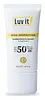
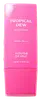
Luv it! SPF50+ PA++++ UVA UVB High Protection Invisible Daily Sunscreen Versus House of Hur Tropical Dew Sun Cream SPF 50+
This hybrid sunscreen covers the full UV range, though its SPF isn't confirmed on file yet.
This chemical sunscreen covers the full UV range and blocks ~98% of UVB at SPF 50.


What's inside
What's inside
 Key Ingredients
Benefits
Concerns
Ingredients Side-by-side
Water
Skin ConditioningZinc Oxide
Cosmetic Colorant


Titanium Dioxide
Cosmetic Colorant
Caprylic/Capric Triglyceride
Masking


Cetyl Alcohol
Emollient


Bis-Ethylhexyloxyphenol Methoxyphenyl Triazine
UV Absorber
Ethylhexyl Salicylate
UV Absorber
Butyl Methoxydibenzoylmethane
UV Absorber
Ceteareth-25
CleansingHedychium Coronarium Root Extract
MaskingSodium Chloride
MaskingCentella Asiatica Extract
Cleansing




Cetyl Isononanoate
EmollientPropylene Glycol
Humectant
Panthenol
Skin Conditioning
Octocrylene
UV Absorber
Homosalate
Skin Conditioning
Phenoxyethanol
Preservative
Ethylhexylglycerin
Skin ConditioningTocopherol
Antioxidant



Disodium EDTA
ChelatingWater, Zinc Oxide, Titanium Dioxide, Caprylic/Capric Triglyceride, Cetyl Alcohol, Bis-Ethylhexyloxyphenol Methoxyphenyl Triazine, Ethylhexyl Salicylate, Butyl Methoxydibenzoylmethane, Ceteareth-25, Hedychium Coronarium Root Extract, Sodium Chloride, Centella Asiatica Extract, Cetyl Isononanoate, Propylene Glycol, Panthenol, Octocrylene, Homosalate, Phenoxyethanol, Ethylhexylglycerin, Tocopherol, Disodium EDTA
Water
Skin ConditioningDibutyl Adipate
EmollientPropanediol
Solvent
Diethylamino Hydroxybenzoyl Hexyl Benzoate
UV Filter
Diisopropyl Sebacate
EmollientPolymethylsilsesquioxane

Ethylhexyl Triazone
UV Absorber
Methylene Bis-Benzotriazolyl Tetramethylbutylphenol
UV Filter
Butyloctyl Salicylate
Skin Conditioning
Caprylyl Methicone
Skin Conditioning
Diethylhexyl Butamido Triazone
UV Absorber
Glycerin
Humectant
Hippophae Rhamnoides Oil
Emollient
Ananas Sativus Fruit Extract
Skin ConditioningCarica Papaya Fruit Extract
Skin ConditioningGarcinia Mangostana Peel Extract
Skin ConditioningMangifera Indica Fruit Extract
Skin ConditioningMorinda Citrifolia Extract
AstringentMusa Sapientum Fruit Extract
Skin ConditioningNephelium Lappaceum Branch/Fruit/Leaf Extract
Skin ConditioningPsidium Guajava Fruit Extract
Astringent1,2-Hexanediol
Skin Conditioning
Butylene Glycol
Humectant
Caprylic/Capric Triglyceride
Masking
Pentylene Glycol
Skin Conditioning
Poly C10-30 Alkyl Acrylate
Emulsion StabilisingPolyglyceryl-3 Methylglucose Distearate
Emulsifying
Hydroxyethyl Urea
Humectant
Decyl Glucoside
Cleansing
Tromethamine
BufferingAcrylates/C10-30 Alkyl Acrylate Crosspolymer
Emulsion StabilisingPolyacrylic Acid
Emulsion StabilisingPolyacrylate Crosspolymer-6
Emulsion StabilisingSodium Stearoyl Glutamate
CleansingEthylhexylglycerin
Skin ConditioningCyanocobalamin
Skin ConditioningTocopherol
Antioxidant
Behenyl Alcohol
Emollient
Xanthan Gum
EmulsifyingWater, Dibutyl Adipate, Propanediol, Diethylamino Hydroxybenzoyl Hexyl Benzoate, Diisopropyl Sebacate, Polymethylsilsesquioxane, Ethylhexyl Triazone, Methylene Bis-Benzotriazolyl Tetramethylbutylphenol, Butyloctyl Salicylate, Caprylyl Methicone, Diethylhexyl Butamido Triazone, Glycerin, Hippophae Rhamnoides Oil, Ananas Sativus Fruit Extract, Carica Papaya Fruit Extract, Garcinia Mangostana Peel Extract, Mangifera Indica Fruit Extract, Morinda Citrifolia Extract, Musa Sapientum Fruit Extract, Nephelium Lappaceum Branch/Fruit/Leaf Extract, Psidium Guajava Fruit Extract, 1,2-Hexanediol, Butylene Glycol, Caprylic/Capric Triglyceride, Pentylene Glycol, Poly C10-30 Alkyl Acrylate, Polyglyceryl-3 Methylglucose Distearate, Hydroxyethyl Urea, Decyl Glucoside, Tromethamine, Acrylates/C10-30 Alkyl Acrylate Crosspolymer, Polyacrylic Acid, Polyacrylate Crosspolymer-6, Sodium Stearoyl Glutamate, Ethylhexylglycerin, Cyanocobalamin, Tocopherol, Behenyl Alcohol, Xanthan Gum
Reviews
Ingredients Explained
These ingredients are found in both products.
Ingredients higher up in an ingredient list are typically present in a larger amount.
Caprylic/Capric Triglyceride (aka MCT Oil) is a lightweight emollient, solvent, and texture enhancer. It is considered a skin-softener by helping to prevent moisture loss.
Though it behaves like an oil, it is not technically one due to its chemical composition. One perk of this ingredient is that it is very stable, resistant to oxidation, and unlikely to go rancid.
In practice, that translates to a long shelf life and a consistently elegant skin feel.
While there is an assumption Caprylic Triglyceride can clog pores due to it being derived from coconut oil, there is no research supporting this. Just patch test if you have concerns.
Fractionated coconut oil and MCT Oil are both listed as Caprylic/Capric Triglyceride according to INCI. This is because INCI names are based on the ingredient’s final chemical composition and not its marketing name or source.
This ingredient is treated as the gold standard fungal acne safe oil. Even though it is coconut derived, the problematic lauric acid is stripped out.
This leaves just caprylic (C8) and capric (C10) acid. These chain lengths actually trend antifungal; a 2020 study found caprylic acid was enough to disrupt Malassezia furfur cell membrane, with a caprylic acid derivative damaging membrane structures at concentrations as low as 0.2%.
Learn more about Caprylic/Capric TriglycerideEthylhexylglycerin is created from glycerin. It is a multitasker ingredient that:
The CIR Expert Panel found minimal skin absorption or sensitization of any kind in a safety assessment. Though this ingredient is considered well-tolerated, a small number of cases of allergic dermatitis have been published since 2002. Just be sure to patch test if you are unsure.
Industry-reported use ranges from 8% in rinse-off products and 2% in leave-on formulations.
Learn more about EthylhexylglycerinTocopherol is a fat-soluble antioxidant known as Vitamin E.
You'll find this ingredient in the vast majority of skincare (for good reason). It works to neutralize free radicals, or unstable molecules generated by UV exposure, pollution, and other environmental stressors, before they can cause oxidative damage to your skin cells.
Topically applied tocopherol has been shown to protect against UV damage by ramping up the skin's own natural defense enzymes.
It also acts as a skin conditioning agent; some studies show that regular topical use can improve the skin's water-binding capacity over 2-4 weeks.
This ingredient is especially loved for being a team player. When combined with Vitamin C, the photoprotective effect of both ingredients roughly doubles and the combo also helps reduce UV-induced DNA damage.
This ingredient has some brightening potential but it's more of a prevention ingredient than spot-fader. Cell studies show it can slow down melanin production but it's worth noting that it's not the most powerful brightener out there.
In formulations, it also serves as a stabilizer that helps protect other oxidation-prone ingredients from degrading.
Concentrations usually range from 0.1-1% in most leave-on products.
Learn more about TocopherolWater. It's the most common cosmetic ingredient of all. You'll usually see it at the top of ingredient lists, meaning that it makes up the largest part of the product.
So why is it so popular? Water most often acts as a solvent - this means that it helps dissolve other ingredients into the formulation.
You'll also recognize water as that liquid we all need to stay alive. If you see this, drink a glass of water. Remember to stay hydrated!
Learn more about Water

