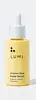
This hydrating serum is formulated around Limnanthes Alba Seed Oil and Ceramide AP to hydrate skin.
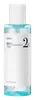
This smoothing toner is formulated around Salicylic Acid and Salix Alba Bark Extract to refine skin texture and clear breakouts.


What's inside
What's inside
 Key Ingredients
Benefits
Concerns
Ingredients Side-by-side
Water
Skin ConditioningDipropylene Glycol
HumectantGlycerin
Humectant


Cetearyl Ethylhexanoate
Emollient

Limnanthes Alba Seed Oil
Skin Conditioning
Ceramide AP
Skin Conditioning



1,2-Hexanediol
Skin Conditioning
Canola Oil
Emollient


Carbomer
Emulsion StabilisingTromethamine
BufferingGardenia Florida Fruit Extract
Skin ConditioningDextrin
AbsorbentEthylhexylglycerin
Skin ConditioningXanthan Gum
EmulsifyingButylene Glycol
Humectant
Daucus Carota Sativa Seed Oil
Emollient
Citrus Aurantium Dulcis Peel Oil
Masking
Citrus Aurantifolia Fruit Extract
Skin ConditioningCitrus Limon Fruit Extract
Masking
Pyrus Malus Fruit Extract
Skin Conditioning
Citrus Aurantium Dulcis Fruit Extract
MaskingVitis Vinifera Fruit Extract
Skin ConditioningDaucus Carota Sativa Root Extract
Skin Conditioning
Helianthus Annuus Seed Oil
Emollient
Tocopheryl Acetate
Antioxidant


CI 75130
Cosmetic ColorantZingiber Officinale Root Extract
Masking
Disodium EDTA
ChelatingPhenoxyethanol
Preservative
Limonene
Perfuming
Linalool
Perfuming
Water, Dipropylene Glycol, Glycerin, Cetearyl Ethylhexanoate, Limnanthes Alba Seed Oil, Ceramide AP, 1,2-Hexanediol, Canola Oil, Carbomer, Tromethamine, Gardenia Florida Fruit Extract, Dextrin, Ethylhexylglycerin, Xanthan Gum, Butylene Glycol, Daucus Carota Sativa Seed Oil, Citrus Aurantium Dulcis Peel Oil, Citrus Aurantifolia Fruit Extract, Citrus Limon Fruit Extract, Pyrus Malus Fruit Extract, Citrus Aurantium Dulcis Fruit Extract, Vitis Vinifera Fruit Extract, Daucus Carota Sativa Root Extract, Helianthus Annuus Seed Oil, Tocopheryl Acetate, CI 75130, Zingiber Officinale Root Extract, Disodium EDTA, Phenoxyethanol, Limonene, Linalool
Water
Skin ConditioningDipropylene Glycol
Humectant1,2-Hexanediol
Skin Conditioning
Salicylic Acid
Masking





C12-14 Pareth-12
EmulsifyingOctyldodeceth-16
EmulsifyingMelaleuca Alternifolia Leaf Extract
Perfuming
Pentylene Glycol
Skin Conditioning
Salix Alba Bark Extract
Astringent
Oenothera Biennis Flower Extract
AstringentUlmus Davidiana Root Extract
Skin Conditioning
Pinus Palustris Leaf Extract
TonicPueraria Lobata Root Extract
HumectantCentella Asiatica Extract
Cleansing
Ficus Carica Fruit Extract
Humectant
Hydrogenated Lecithin
Emulsifying
Sodium Hyaluronate
Humectant
Sodium Citrate
BufferingCitric Acid
Buffering
Xanthan Gum
EmulsifyingDisodium EDTA
ChelatingTocopherol
Antioxidant
Ceramide NP
Skin Conditioning
Butylene Glycol
Humectant
Dimethylsilanol Hyaluronate
Humectant
Hydrolyzed Sodium Hyaluronate
Skin Conditioning
Hydrolyzed Hyaluronic Acid
Humectant
Potassium Hyaluronate
Skin ConditioningHyaluronic Acid
Humectant
Sodium Hyaluronate Crosspolymer
Humectant
Hydroxypropyltrimonium Hyaluronate
Sodium Hyaluronate Dimethylsilanol
HumectantSodium Acetylated Hyaluronate
Humectant
Ethylhexylglycerin
Skin ConditioningWater, Dipropylene Glycol, 1,2-Hexanediol, Salicylic Acid, C12-14 Pareth-12, Octyldodeceth-16, Melaleuca Alternifolia Leaf Extract, Pentylene Glycol, Salix Alba Bark Extract, Oenothera Biennis Flower Extract, Ulmus Davidiana Root Extract, Pinus Palustris Leaf Extract, Pueraria Lobata Root Extract, Centella Asiatica Extract, Ficus Carica Fruit Extract, Hydrogenated Lecithin, Sodium Hyaluronate, Sodium Citrate, Citric Acid, Xanthan Gum, Disodium EDTA, Tocopherol, Ceramide NP, Butylene Glycol, Dimethylsilanol Hyaluronate, Hydrolyzed Sodium Hyaluronate, Hydrolyzed Hyaluronic Acid, Potassium Hyaluronate, Hyaluronic Acid, Sodium Hyaluronate Crosspolymer, Hydroxypropyltrimonium Hyaluronate, Sodium Hyaluronate Dimethylsilanol, Sodium Acetylated Hyaluronate, Ethylhexylglycerin
Reviews
Ingredients Explained
These ingredients are found in both products.
Ingredients higher up in an ingredient list are typically present in a larger amount.
1,2-Hexanediol is a synthetic liquid and another multi-functional powerhouse.
It is a:
- Humectant, drawing moisture into the skin
- Emollient, helping to soften skin
- Solvent, dispersing and stabilizing formulas
- Preservative booster, enhancing the antimicrobial activity of other preservatives
Butylene Glycol (or BG) is used within cosmetic products for a few different reasons:
Overall, Butylene Glycol is a safe and well-rounded ingredient that works well with other ingredients.
Though this ingredient works well with most skin types, some people with sensitive skin may experience a reaction such as allergic rashes, closed comedones, or itchiness.
Learn more about Butylene GlycolDipropylene Glycol is a synthetically created humectant, stabilizer, and solvent.
This ingredient helps:
Dipropylene glycol is technically an alcohol, but it belongs to the glycol family (often considered part of the ‘good’ alcohols). This means it is hydrating and gentle on skin unlike drying solvent alcohols like denatured alcohol.
As a masking agent, Dipropylene Glycol can be used to cover the smell of other ingredients. However, it does not have a scent.
Studies show Dipropylene Glycol is considered safe to use in skincare.
Learn more about Dipropylene GlycolDisodium EDTA is a chelating agent. It grabs onto and deactivates metal ions that sneak into your products from water, packaging, or air.
This ingredient mainly works behind the scenes and helps with:
On top of that, this ingredient can counteract the effects of hard water by binding to the minerals in it.
One thing worth knowing is that Disodium EDTA has been shown to be a mild penetration enhancer. It can help other ingredients absorb into skin more effectively which can be a double-edged sword (great for actives, but can also make the active too strong if you have sensitive skin).
Clinical patch testing showed no significant skin irritation at typical use concentrations and minimal dermal absorption.
You'll most likely see this ingredient near the end of an ingredient list. It's typically found in concentrations less than 1%.
Learn more about Disodium EDTAEthylhexylglycerin is created from glycerin. It is a multitasker ingredient that:
The CIR Expert Panel found minimal skin absorption or sensitization of any kind in a safety assessment. Though this ingredient is considered well-tolerated, a small number of cases of allergic dermatitis have been published since 2002. Just be sure to patch test if you are unsure.
Industry-reported use ranges from 8% in rinse-off products and 2% in leave-on formulations.
Learn more about EthylhexylglycerinWater. It's the most common cosmetic ingredient of all. You'll usually see it at the top of ingredient lists, meaning that it makes up the largest part of the product.
So why is it so popular? Water most often acts as a solvent - this means that it helps dissolve other ingredients into the formulation.
You'll also recognize water as that liquid we all need to stay alive. If you see this, drink a glass of water. Remember to stay hydrated!
Learn more about WaterXanthan gum is used as a stabilizer and thickener within cosmetic products. It helps give products a sticky, thick feeling - preventing them from being too runny.
On the technical side of things, xanthan gum is a polysaccharide - a combination consisting of multiple sugar molecules bonded together.
Xanthan gum is a pretty common and great ingredient. It is a natural, non-toxic, non-irritating ingredient that is also commonly used in food products.
Learn more about Xanthan Gum

