
What's inside
What's inside
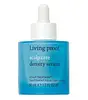 Key Ingredients
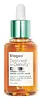
Benefits
Concerns
Ingredients Side-by-side
Water
Skin ConditioningGlycerin
Humectant


Polysorbate 20
Emulsifying

Glycyrrhiza Glabra Root Extract
Bleaching



Saccharomyces Ferment Lysate Filtrate
Skin Conditioning
Glycine
Buffering
Pisum Sativum Extract
Skin ConditioningPullulan
Zinc Sulfate
Antimicrobial
Quercus Robur Bark Extract
AstringentLarix Europaea Wood Extract
HumectantZinc Gluconate
Skin Conditioning


Acetyl Tyrosine
Skin ConditioningAmaranthus Caudatus Seed Extract
Skin Conditioning
Urtica Dioica Leaf Extract
Skin ConditioningHydrolyzed Yeast Protein
Skin ConditioningCamellia Sinensis Leaf Extract
Antimicrobial

Vitis Vinifera Seed Extract
Antimicrobial
Zinc Chloride
AntimicrobialHydroxyethylcellulose
Emulsion StabilisingLysolecithin
EmulsifyingXanthan Gum
EmulsifyingSclerotium Gum
Emulsion StabilisingParfum
Masking



Sodium Hydroxide
BufferingPentylene Glycol
Skin Conditioning
Hydroxyacetophenone
Antioxidant
Limonene
Perfuming
Linalool
Perfuming
Water, Glycerin, Polysorbate 20, Glycyrrhiza Glabra Root Extract, Saccharomyces Ferment Lysate Filtrate, Glycine, Pisum Sativum Extract, Pullulan, Zinc Sulfate, Quercus Robur Bark Extract, Larix Europaea Wood Extract, Zinc Gluconate, Acetyl Tyrosine, Amaranthus Caudatus Seed Extract, Urtica Dioica Leaf Extract, Hydrolyzed Yeast Protein, Camellia Sinensis Leaf Extract, Vitis Vinifera Seed Extract, Zinc Chloride, Hydroxyethylcellulose, Lysolecithin, Xanthan Gum, Sclerotium Gum, Parfum, Sodium Hydroxide, Pentylene Glycol, Hydroxyacetophenone, Limonene, Linalool
Water
Skin ConditioningPropanediol
Solvent
Glycerin
Humectant
Pentylene Glycol
Skin Conditioning
Betaine
Humectant
Coco-Caprylate/Caprate
Emollient
Caffeine
Skin Conditioning
Copper Tripeptide-34
Skin Conditioning
Niacinamide
Smoothing

Castor Oil/Ipdi Copolymer

Aloe Barbadensis Leaf Juice
Skin Conditioning
Coffea Arabica Seed Oil
Masking
Panax Ginseng Root Extract
Emollient
Biotin
AntiseborrhoeicCaprylic/Capric Triglyceride
Masking
Limnanthes Alba Seed Oil
Skin Conditioning
Carbomer
Emulsion StabilisingLindera Strychnifolia Root Extract
Skin ConditioningHippophae Rhamnoides Oil
Emollient
Trisodium Ethylenediamine Disuccinate
ChelatingAcacia Senegal Gum
MaskingXanthan Gum
EmulsifyingPhyllanthus Emblica Fruit Extract
HumectantTocopheryl Acetate
Antioxidant
Helianthus Annuus Hybrid Oil
Emollient
Lamium Album Extract
AstringentPlantago Psyllium Seed Extract
Skin ConditioningPanthenol
Skin Conditioning
C12-15 Alkyl Benzoate
AntimicrobialSodium Metabisulfite
Antioxidant
Larix Europaea Wood Extract
HumectantGlycine
Buffering
Tocopherol
Antioxidant
Ubiquinone
Antioxidant
Zinc Chloride
AntimicrobialSimmondsia Chinensis Seed Oil
Emollient
Lithospermum Erythrorhizon Root Extract
Skin ConditioningCamellia Sinensis Leaf Extract
Antimicrobial
Citric Acid
Buffering
Potassium Sorbate
Preservative
Sodium Benzoate
Masking
Sodium Hydroxide
BufferingBenzyl Alcohol
Perfuming
Caramel
Cosmetic ColorantWater, Propanediol, Glycerin, Pentylene Glycol, Betaine, Coco-Caprylate/Caprate, Caffeine, Copper Tripeptide-34, Niacinamide, Castor Oil/Ipdi Copolymer, Aloe Barbadensis Leaf Juice, Coffea Arabica Seed Oil, Panax Ginseng Root Extract, Biotin, Caprylic/Capric Triglyceride, Limnanthes Alba Seed Oil, Carbomer, Lindera Strychnifolia Root Extract, Hippophae Rhamnoides Oil, Trisodium Ethylenediamine Disuccinate, Acacia Senegal Gum, Xanthan Gum, Phyllanthus Emblica Fruit Extract, Tocopheryl Acetate, Helianthus Annuus Hybrid Oil, Lamium Album Extract, Plantago Psyllium Seed Extract, Panthenol, C12-15 Alkyl Benzoate, Sodium Metabisulfite, Larix Europaea Wood Extract, Glycine, Tocopherol, Ubiquinone, Zinc Chloride, Simmondsia Chinensis Seed Oil, Lithospermum Erythrorhizon Root Extract, Camellia Sinensis Leaf Extract, Citric Acid, Potassium Sorbate, Sodium Benzoate, Sodium Hydroxide, Benzyl Alcohol, Caramel
Ingredients Explained
These ingredients are found in both products.
Ingredients higher up in an ingredient list are typically present in a larger amount.
Camellia Sinensis Leaf Extract (tea extract) is one of the most well-researched plant extracts in skincare with an impressive resume.
Black tea, green tea, and oolong tea are all harvested from the Camellia Sinensis plant.
Studies show green tea extract and its catechins (like epigallocatechin gallate (EGCG)) help your skin cells product energy more efficiently and reducing the number of free-radicals that can damage your skin from the inside.
In lab-grown skin models, this translated to younger, healthier, and stronger skin.
There's also good sun protection data; researchers saw less DNA damage and redness on human skin when green tea was applied before UVB exposure. And the more they applied, the better the protection.
Needless to say, this ingredient shouldn't replace your sunscreen. But it is a great supportive ingredient that you can already find in many sunscreens and antioxidant serums.
A 2009 study found a 2% green tea lotion was effective for mild-to-moderate acne thanks to its anti-inflammatory and mild antimicrobial activity.
The quality of the extract matters a lot here:
Good extracts contain 50-90% catechins while lower quality ones are mostly there for marketing. We recommend reaching out to the brand if you have questions about the quality or source of their ingredients.
Human Repeated Insult Patch Testing showed no irritation or sensitization at use concentrations (0.86% in leave-on products and up to 30% as leaf water).
Learn more about Camellia Sinensis Leaf ExtractGlycerin (or glycerol) is a compound naturally found in your skin. It's a powerhouse humectant that pulls water into the stratum corneum.
Topically, glycerin does several things at once:
Your skin makes glycerin on its own (mostly from sebaceous oil breakdown) and shuttles it to your outermost layer of skin, or your epidermis, via aquaporin-3.
Aquaporin-3 is a transporter that is essential for normal skin hydration, elasticity, and repair. Interestingly, mice lacking in AQP3 have dry and less elastic skin that can be fully corrected with glycerin.
This ingredient is non-irritating, plays well with almost every ingredient, and works across all skin types. Typical use is anywhere between 3-10% but can go up to 79% in some leave-on products.
Just know very high concentrations (>40%) can feel tacky in low humidity.
Glycerin is the name for this ingredient in American English. British English uses Glycerol/Glycerine.
Learn more about GlycerinGlycine is the smallest amino acid and a key building block of collagen. It's part if your skin's Natural Moisturizing Factor (NMF), or the water-loving molecules in your outermost layer of skin (stratum corneum) that keeps everything hydrated and happy.
A study from 2022 found that an amino acid complex featuring taurine, arginine, and glycine significantly reduced skin irritation, improved redness, and accelerated the skin repair process.
Larix Europaea is a larch tree native to Europe.
It’s one of the key ingredients in Redensyl, an alternative to Minoxidil for hair growth. Redensyl works by targeting stem cells and fibroblasts from the top, inner layer of your skin.
The bark of Larix Europaea is rich in antioxidants and plant compounds such as flavonoids, spiro-polyphenols, and procyanidins.
Flavonoids are naturally occurring compounds found in many plantsand foods like tea, wine, and chocolate. They’re known for their strong antioxidant and anti-inflammatory properties.
Learn more about Larix Europaea Wood ExtractPentylene Glycol (1,2-pentanediol) is a multitasking little diol with three main roles in a formula:
Research on alkanediols (the family pentylene glycol belongs to) show they work by disrupting microbial cell membranes. This disruption helps the primary preservative system in a product work more effectively at lower doses.
On the safety side, the Cosmetic Ingredient Review Expert Panel has concluded this ingredient to be safe as used in current cosmetic practices + concentrations.
Typical use levels in a formula run about 1-5%.
Learn more about Pentylene GlycolSodium Hydroxide is also known as lye or caustic soda. It is used to adjust the pH of products; many ingredients require a specific pH to be effective.
In small amounts, sodium hydroxide is considered safe to use. However, large amounts may cause chemical burns due to its high alkaline.
Your skin has a natural pH and acid mantle. This acid mantle helps prevent harmful bacteria from breaking through. The acid mantle also helps keep your skin hydrated.
"Alkaline" refers to a high pH level. A low pH level would be considered acidic.
Learn more about Sodium HydroxideWater. It's the most common cosmetic ingredient of all. You'll usually see it at the top of ingredient lists, meaning that it makes up the largest part of the product.
So why is it so popular? Water most often acts as a solvent - this means that it helps dissolve other ingredients into the formulation.
You'll also recognize water as that liquid we all need to stay alive. If you see this, drink a glass of water. Remember to stay hydrated!
Learn more about WaterXanthan gum is used as a stabilizer and thickener within cosmetic products. It helps give products a sticky, thick feeling - preventing them from being too runny.
On the technical side of things, xanthan gum is a polysaccharide - a combination consisting of multiple sugar molecules bonded together.
Xanthan gum is a pretty common and great ingredient. It is a natural, non-toxic, non-irritating ingredient that is also commonly used in food products.
Learn more about Xanthan GumZinc chloride is a white crystalline compound. You'll most likely see it in personal care products such as mouthwashes, skincare, hair conditioners, and bath products.


