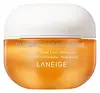
This brightening moisturizer is formulated around 3-O-Ethyl Ascorbic Acid to brighten dull-looking skin and fade the look of dark spots.
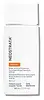
This hybrid sunscreen covers the full UV range and blocks ~98% of UVB at SPF 50.


What's inside
What's inside
 Key Ingredients
Benefits
Concerns
Ingredients Side-by-side
Water
Skin Conditioning3-O-Ethyl Ascorbic Acid
Skin Conditioning





Glycerin
Humectant

Cetearyl Alcohol
Emollient






Caprylic/Capric Triglyceride
Masking
Propanediol
Solvent
Methyl Trimethicone
Skin Conditioning
Hydrogenated Poly(C6-14 Olefin)
EmollientPentaerythrityl Tetraethylhexanoate
Emollient
Cetearyl Olivate
Potassium Cetyl Phosphate
Emulsifying1,2-Hexanediol
Skin Conditioning
Sorbitan Olivate
Emulsifying
Hydroxyethyl Acrylate/Sodium Acryloyldimethyl Taurate Copolymer
Emulsion StabilisingLimonene
Perfuming


Polymethyl Methacrylate

Ammonium Acryloyldimethyltaurate/Beheneth-25 Methacrylate Crosspolymer
Emulsion StabilisingCitric Acid
Buffering
Parfum
Masking
Thymol Trimethoxycinnamate
Antioxidant
Disodium EDTA
Ethylhexylglycerin
Skin ConditioningSorbitan Isostearate
Emulsifying
Sodium Citrate
BufferingLinalool
Perfuming
Tocopherol
Antioxidant


Madecassoside
Antioxidant
Citral
Perfuming
Geraniol
Perfuming
Water, 3-O-Ethyl Ascorbic Acid, Glycerin, Cetearyl Alcohol, Caprylic/Capric Triglyceride, Propanediol, Methyl Trimethicone, Hydrogenated Poly(C6-14 Olefin), Pentaerythrityl Tetraethylhexanoate, Cetearyl Olivate, Potassium Cetyl Phosphate, 1,2-Hexanediol, Sorbitan Olivate, Hydroxyethyl Acrylate/Sodium Acryloyldimethyl Taurate Copolymer, Limonene, Polymethyl Methacrylate, Ammonium Acryloyldimethyltaurate/Beheneth-25 Methacrylate Crosspolymer, Citric Acid, Parfum, Thymol Trimethoxycinnamate, Disodium EDTA, Ethylhexylglycerin, Sorbitan Isostearate, Sodium Citrate, Linalool, Tocopherol, Madecassoside, Citral, Geraniol
Titanium Dioxide 7%
Cosmetic Colorant

Zinc Oxide 6%
Cosmetic Colorant
Water
Skin ConditioningDimethicone
Emollient
Isododecane
EmollientC12-15 Alkyl Benzoate
AntimicrobialHydrogenated Polydecene
EmollientButyloctyl Salicylate
Skin Conditioning
Gluconolactone
Skin Conditioning

Styrene/Acrylates Copolymer
Alumina
Abrasive
Ammonium Hydroxide
BufferingLactobionic Acid
Buffering
PEG-9 Polydimethylsiloxyethyl Dimethicone
Emulsifying
Phenethyl Benzoate
Emollient
Nylon-12
Tocopheryl Acetate
Antioxidant
Epigallocatechin Gallate
Antioxidant
Polyhydroxystearic Acid
Emulsifying
Ethylhexylglycerin
Skin ConditioningTocopherol
Antioxidant
Dimethicone/PEG-10/15 Crosspolymer
Hydrogen Dimethicone
Isohexadecane
EmollientSodium Citrate
BufferingDisteardimonium Hectorite
StabilisingMagnesium Sulfate
Dipropylene Glycol
HumectantPropylene Carbonate
SolventSodium Bisulfite
Antioxidant
Triethoxycaprylylsilane
Phenoxyethanol
Preservative
CI 77492
Cosmetic ColorantCI 77491
Cosmetic ColorantCI 77499
Cosmetic ColorantTitanium Dioxide 7%, Zinc Oxide 6%, Water, Dimethicone, Isododecane, C12-15 Alkyl Benzoate, Hydrogenated Polydecene, Butyloctyl Salicylate, Gluconolactone, Styrene/Acrylates Copolymer, Alumina, Ammonium Hydroxide, Lactobionic Acid, PEG-9 Polydimethylsiloxyethyl Dimethicone, Phenethyl Benzoate, Nylon-12, Tocopheryl Acetate, Epigallocatechin Gallate, Polyhydroxystearic Acid, Ethylhexylglycerin, Tocopherol, Dimethicone/PEG-10/15 Crosspolymer, Hydrogen Dimethicone, Isohexadecane, Sodium Citrate, Disteardimonium Hectorite, Magnesium Sulfate, Dipropylene Glycol, Propylene Carbonate, Sodium Bisulfite, Triethoxycaprylylsilane, Phenoxyethanol, CI 77492, CI 77491, CI 77499
Ingredients Explained
These ingredients are found in both products.
Ingredients higher up in an ingredient list are typically present in a larger amount.
Ethylhexylglycerin is created from glycerin. It is a multitasker ingredient that:
The CIR Expert Panel found minimal skin absorption or sensitization of any kind in a safety assessment. Though this ingredient is considered well-tolerated, a small number of cases of allergic dermatitis have been published since 2002. Just be sure to patch test if you are unsure.
Industry-reported use ranges from 8% in rinse-off products and 2% in leave-on formulations.
Learn more about EthylhexylglycerinSodium Citrate is the sodium salts of citric acid. In skincare, it is used to alter pH levels and acts as a preservative.
Its main functions are to maintain the pH of a product and neutralize metal ions.
The acidity of our skin is maintained by our glands and skin biome; normal pH level of skin is slightly acidic (~4.75-5.5).
Being slightly acidic allows our skin to create an "acid mantle". This acid mantle is a thin barrier that protects our skin from bacteria and contaminants.
Learn more about Sodium CitrateTocopherol is a fat-soluble antioxidant known as Vitamin E.
You'll find this ingredient in the vast majority of skincare (for good reason). It works to neutralize free radicals, or unstable molecules generated by UV exposure, pollution, and other environmental stressors, before they can cause oxidative damage to your skin cells.
Topically applied tocopherol has been shown to protect against UV damage by ramping up the skin's own natural defense enzymes.
It also acts as a skin conditioning agent; some studies show that regular topical use can improve the skin's water-binding capacity over 2-4 weeks.
This ingredient is especially loved for being a team player. When combined with Vitamin C, the photoprotective effect of both ingredients roughly doubles and the combo also helps reduce UV-induced DNA damage.
This ingredient has some brightening potential but it's more of a prevention ingredient than spot-fader. Cell studies show it can slow down melanin production but it's worth noting that it's not the most powerful brightener out there.
In formulations, it also serves as a stabilizer that helps protect other oxidation-prone ingredients from degrading.
Concentrations usually range from 0.1-1% in most leave-on products.
Learn more about TocopherolWater. It's the most common cosmetic ingredient of all. You'll usually see it at the top of ingredient lists, meaning that it makes up the largest part of the product.
So why is it so popular? Water most often acts as a solvent - this means that it helps dissolve other ingredients into the formulation.
You'll also recognize water as that liquid we all need to stay alive. If you see this, drink a glass of water. Remember to stay hydrated!
Learn more about Water

