This hydrating lip mask is formulated around Butyrospermum Parkii Butter and Sodium Hyaluronate to hydrate lips and strengthen the lip barrier.
This hydrating lip mask is formulated around Petrolatum and Honey Extract to hydrate lips.

What's inside
What's inside
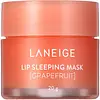 Key Ingredients
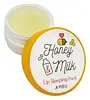
Benefits
Concerns
Ingredients Side-by-side
Diisostearyl Malate
EmollientHydrogenated Polyisobutene
EmollientPhytosteryl/Isostearyl/Cetyl/Stearyl/Behenyl Dimer Dilinoleate
Skin Conditioning

Hydrogenated Poly(C6-14 Olefin)
EmollientPolybutene
Microcrystalline Wax
Emulsion StabilisingButyrospermum Parkii Butter
Skin Conditioning




Synthetic Wax
Abrasive
Euphorbia Cerifera Cera
Astringent
Sucrose Tetrastearate Triacetate
Emollient
Hydrogenated Butylene/Ethylene/Styrene Copolymer
EmollientEthylene/Propylene/Styrene Copolymer
Mica
Cosmetic ColorantAroma


Astrocaryum Murumuru Seed Butter
Emollient
Dimethicone
Emollient

CI 77891
Cosmetic ColorantPolyglyceryl-2 Diisostearate
Emulsifying
Dehydroacetic Acid
Preservative
Polyglyceryl-2 Triisostearate
Emulsifying
Methicone
Emollient
Copernicia Cerifera Wax
CI 15985
Cosmetic ColorantPolyhydroxystearic Acid
Emulsifying
CI 15850
Cosmetic ColorantWater
Skin ConditioningPotassium Alginate
Emulsion StabilisingPropanediol
Solvent
Glycerin
Humectant
Alcohol
Antimicrobial


Lycium Barbarum Fruit Extract
Astringent
Vaccinium Macrocarpon Fruit Extract
AstringentFragaria Ananassa Fruit Extract
Skin Conditioning
Rubus Idaeus Fruit Extract
AstringentSapindus Mukorossi Fruit Extract
Skin ConditioningVaccinium Angustifolium Fruit Extract
Skin Protecting
Rubus Chamaemorus Seed Extract
Skin ConditioningCoffea Arabica Seed Extract
Masking
Chenopodium Quinoa Seed Extract
Skin Conditioning
Magnesium Sulfate
Calcium Chloride
AstringentSodium Hyaluronate
Humectant

Beta-Glucan
Skin Conditioning
Manganese Sulfate
Skin ConditioningZinc Sulfate
Antimicrobial
Ascorbyl Glucoside
Antioxidant


Diisostearyl Malate, Hydrogenated Polyisobutene, Phytosteryl/Isostearyl/Cetyl/Stearyl/Behenyl Dimer Dilinoleate, Hydrogenated Poly(C6-14 Olefin), Polybutene, Microcrystalline Wax, Butyrospermum Parkii Butter, Synthetic Wax, Euphorbia Cerifera Cera, Sucrose Tetrastearate Triacetate, Hydrogenated Butylene/Ethylene/Styrene Copolymer, Ethylene/Propylene/Styrene Copolymer, Mica, Aroma, Astrocaryum Murumuru Seed Butter, Dimethicone, CI 77891, Polyglyceryl-2 Diisostearate, Dehydroacetic Acid, Polyglyceryl-2 Triisostearate, Methicone, Copernicia Cerifera Wax, CI 15985, Polyhydroxystearic Acid, CI 15850, Water, Potassium Alginate, Propanediol, Glycerin, Alcohol, Lycium Barbarum Fruit Extract, Vaccinium Macrocarpon Fruit Extract, Fragaria Ananassa Fruit Extract, Rubus Idaeus Fruit Extract, Sapindus Mukorossi Fruit Extract, Vaccinium Angustifolium Fruit Extract, Rubus Chamaemorus Seed Extract, Coffea Arabica Seed Extract, Chenopodium Quinoa Seed Extract, Magnesium Sulfate, Calcium Chloride, Sodium Hyaluronate, Beta-Glucan, Manganese Sulfate, Zinc Sulfate, Ascorbyl Glucoside
Petrolatum
Emollient
Paraffinum Liquidum
Emollient
Polybutene
Microcrystalline Wax
Emulsion StabilisingSilica Silylate
Emollient
Paraffin
Skin Conditioning
Honey Extract
Humectant
Milk Protein Extract
Glycerin
Humectant
Polyethylene
Abrasive
Vp/Hexadecene Copolymer
Methyl Hydrogenated Rosinate
Perfuming
Tocopheryl Acetate
Antioxidant
Diisostearyl Malate
EmollientPolyglyceryl-2 Triisostearate
Emulsifying
Water
Skin ConditioningPropylene Glycol
Humectant
Dehydroacetic Acid
Preservative
Phenoxyethanol
Preservative
Parfum
Masking
CI 77891
Cosmetic ColorantCI 19140
Cosmetic ColorantPetrolatum, Paraffinum Liquidum, Polybutene, Microcrystalline Wax, Silica Silylate, Paraffin, Honey Extract, Milk Protein Extract, Glycerin, Polyethylene, Vp/Hexadecene Copolymer, Methyl Hydrogenated Rosinate, Tocopheryl Acetate, Diisostearyl Malate, Polyglyceryl-2 Triisostearate, Water, Propylene Glycol, Dehydroacetic Acid, Phenoxyethanol, Parfum, CI 77891, CI 19140
Reviews
Ingredients Explained
These ingredients are found in both products.
Ingredients higher up in an ingredient list are typically present in a larger amount.
Ci 77891 is a white pigment from Titanium dioxide. It is naturally found in minerals such as rutile and ilmenite.
It's main function is to add a white color to cosmetics. It can also be mixed with other colors to create different shades.
Ci 77891 is commonly found in sunscreens due to its ability to block UV rays.
Learn more about CI 77891Dehydroacetic Acid is a synthetic preservative that keeps your products safe from microbes.
As an organic acid, it penetrates microbial cell walls and disrupts cellular metabolism. This makes it effective against bacteria, yeast, and mold.
It is effective at low concentrations (<0.6%). Clinical studies have found it to be non-irritating, non-sensitizing, and non-photosensitizing.
Learn more about Dehydroacetic AcidDiisostearyl Malate is an emollient and most often used in lip products. It comes from isostearyl alcohol, a fatty acid, and malic acid, an AHA.
As an emollient, Diisostearyl Malate helps create a thin film on your skin to trap moisture in. This helps keep your skin soft and smooth.
Glycerin (or glycerol) is a compound naturally found in your skin. It's a powerhouse humectant that pulls water into the stratum corneum.
Topically, glycerin does several things at once:
Your skin makes glycerin on its own (mostly from sebaceous oil breakdown) and shuttles it to your outermost layer of skin, or your epidermis, via aquaporin-3.
Aquaporin-3 is a transporter that is essential for normal skin hydration, elasticity, and repair. Interestingly, mice lacking in AQP3 have dry and less elastic skin that can be fully corrected with glycerin.
This ingredient is non-irritating, plays well with almost every ingredient, and works across all skin types. Typical use is anywhere between 3-10% but can go up to 79% in some leave-on products.
Just know very high concentrations (>40%) can feel tacky in low humidity.
Glycerin is the name for this ingredient in American English. British English uses Glycerol/Glycerine.
Learn more about GlycerinMicrocrystalline Wax is derived from petroleum through a de-oiling process, then highly refined and purified before use in cosmetics.
In skincare formulations, it is used to improve texture and create a smooth, even consistency. It also helps stabilize products by preventing ingredients from separating.
Polybutene is used to help control the viscosity of a product. This just means it helps adjusts the texture.
It is a polymer and does not get absorbed into the skin due to its large size.
Studies found this ingredient did not irritate skin in concentrations below 15%.
Learn more about PolybutenePolyglyceryl-2 Triisostearate is a plant-derived emulsifier and pigment-dispersing agent with a non-sticky skin feel.
It helps products glide on smoothly and prevents oil and water from separating in a formula, making it suitable for sunscreen and makeup formulations.
The EU inventory of cosmetics has no use restrictions on this ingredient and it is considered well-tolerated.
This ingredient may not be fungal acne safe because it is derived from isostearic acid.
Learn more about Polyglyceryl-2 TriisostearateWater. It's the most common cosmetic ingredient of all. You'll usually see it at the top of ingredient lists, meaning that it makes up the largest part of the product.
So why is it so popular? Water most often acts as a solvent - this means that it helps dissolve other ingredients into the formulation.
You'll also recognize water as that liquid we all need to stay alive. If you see this, drink a glass of water. Remember to stay hydrated!
Learn more about Water

