

What's inside
What's inside
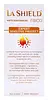 Key Ingredients
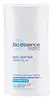
Benefits
Concerns
Ingredients Side-by-side
Cyclopentasiloxane
Emollient
Zinc Oxide
Cosmetic Colorant


C12-15 Alkyl Benzoate
AntimicrobialDimethicone
Emollient
Dimethicone Crosspolymer
Emulsion Stabilising
Dimethicone/Vinyl Dimethicone Crosspolymer
Skin Conditioning
Caprylyl Methicone
Skin Conditioning
Isostearic Acid
Cleansing

Polyhydroxystearic Acid
Emulsifying
Coco-Caprylate/Caprate
Emollient
PEG-12 Dimethicone/PPG-20 Crosspolymer
Silica
Abrasive

Polyglyceryl-3 Polyricinoleate
Emulsifying
Polymethylsilsesquioxane
Tocopheryl Acetate
Antioxidant


Cyclopentasiloxane, Zinc Oxide, C12-15 Alkyl Benzoate, Dimethicone, Dimethicone Crosspolymer, Dimethicone/Vinyl Dimethicone Crosspolymer, Caprylyl Methicone, Isostearic Acid, Polyhydroxystearic Acid, Coco-Caprylate/Caprate, PEG-12 Dimethicone/PPG-20 Crosspolymer, Silica, Polyglyceryl-3 Polyricinoleate, Polymethylsilsesquioxane, Tocopheryl Acetate
Water
Skin ConditioningCyclopentasiloxane
Emollient
Alcohol Denat.
Antimicrobial




Titanium Dioxide
Cosmetic Colorant
Ethylhexyl Methoxycinnamate
UV Absorber
Butyl Methoxydibenzoylmethane
UV Absorber
Benzophenone-3
UV Absorber
Butylene Glycol
Humectant

Phospholipids
Skin Conditioning
C12-15 Alkyl Benzoate
AntimicrobialStearic Acid
Cleansing
Aluminum Hydroxide
EmollientPolyhydroxystearic Acid
Emulsifying
Aluminum Stearate
Cosmetic ColorantPropanediol
Solvent
Sodium Acrylate/Sodium Acryloyldimethyl Taurate Copolymer
Emulsion StabilisingIsohexadecane
EmollientPolysorbate 80
Emulsifying
Sodium Hyaluronate
Humectant


Citrus Grandis Fruit Extract
Astringent
Ethylhexylglycerin
Skin ConditioningPPG-26-Buteth-26
Skin ConditioningPEG-40 Hydrogenated Castor Oil
Emulsifying
Carbomer
Emulsion StabilisingTranexamic Acid
Astringent


Niacinamide
Smoothing


Euglena Gracilis Extract
Skin ConditioningGlycerin
Humectant
Tocopherol
Antioxidant
Triethanolamine
BufferingParfum
Masking
Allantoin
Skin Conditioning
Disodium EDTA
Water, Cyclopentasiloxane, Alcohol Denat., Titanium Dioxide, Ethylhexyl Methoxycinnamate, Butyl Methoxydibenzoylmethane, Benzophenone-3, Butylene Glycol, Phospholipids, C12-15 Alkyl Benzoate, Stearic Acid, Aluminum Hydroxide, Polyhydroxystearic Acid, Aluminum Stearate, Propanediol, Sodium Acrylate/Sodium Acryloyldimethyl Taurate Copolymer, Isohexadecane, Polysorbate 80, Sodium Hyaluronate, Citrus Grandis Fruit Extract, Ethylhexylglycerin, PPG-26-Buteth-26, PEG-40 Hydrogenated Castor Oil, Carbomer, Tranexamic Acid, Niacinamide, Euglena Gracilis Extract, Glycerin, Tocopherol, Triethanolamine, Parfum, Allantoin, Disodium EDTA
Reviews
Ingredients Explained
These ingredients are found in both products.
Ingredients higher up in an ingredient list are typically present in a larger amount.
C12-15 Alkyl Benzoate is a lightweight emollient made by combinig benzoic acid with fatty alcohols that are 12-15 carbons long.
In cosmetics, it plays several roles:
The Cosmetic Review Expert Panel has concluded the alkyl benzoate group to be safe as used in cosmetics; it wasn't found to be a skin irritant and unlikely to be absorbed due to its low water solubility.
This report recorded almost 1000 reported uses with concentrations up to 59% in leave-on products but your cosmetics will typically use 0.5-15% depending on the product.
It's often called a "SPF booster": this is because it keeps UV filters properly dissolved and evenly distributed to support a sunscreen's performance. It doesn't actually raise SPF on its own.
Overall, this ingredient is well tolerated.
This ingredient is fungal acne safe because it is an ester of benzoic acid.
Think of this ingredient as two parts stuck together: an oily part and an acid part. Malassezia only gets a meal when it can snip off a fatty acid to eat. With C12-15 Alkyl Benzoate, the acid part is benzoic acid, which isn't a fatty acid and which the yeast can't use as food.
Benzoic acid is actually used as a preservative to stop yeast from growing.
The oily part is a blend of C12-15 fatty alcohols but fatty alcohols in this size range can support only a little Malassezia growth (mostly for one species of Malassezia as well).
In the ingredient, those alcohols stay locked inside the molecule. The yeast can only reach them by snipping the benzoate bond, and that type of bond is harder for it to cut than a normal fatty bond.
So not much gets released. And whatever does get snipped comes packaged with benzoic acid, which discourages yeast growth.
Learn more about C12-15 Alkyl BenzoateCyclopentasiloxane (D5) is a lightweight silicone that mostly acts as an emollient and solvent in cosmetics. Its the reason your products feel silky, fast-spreading, and non-greasy.
Since D5 is volatile, it does its thing and then evaporates off the skin quickly.
The safety profile of this ingredient is reassuring; the US CIR Expert Panel concluded D5 is safe as used in cosmetics and Health Canada concluded that D5 is not harmful to human health or the environment as currently used in cosmetics
There's a study that people mention about D5 in a rat study showing tumors. This study is related to long-term inhalation of high D5 levels.
Regulatory bodies have judged this study to be not applicable in topical skincare since skin absorption of D5 is very low and we're not really inhaling huge amounts of D5.
The only restriction for this ingredient is environmental. The European Chemicals Agency (ECHA) restricted D5 in wash-off cosmetics at or above 0.1% due to their persistence in water.
Learn more about CyclopentasiloxanePolyhydroxystearic Acid is a vegetable-derived soft wax made from castor oil. It's an emulsion stabilizer, thickener, and film former.
You'll likely see it in sunscreens because it helps disperse pigments and UV-reflecting minerals like titanium dioxide and zinc oxide evenly.
Depending on the concentration, it can drastically change the texture of a product from pasty solid (like lipstick) to sprayable liquid.
The CIR Expert Panel for Cosmetic Ingredient Safety has concluded this ingredient to be safe in cosmetics. The highest reported use concentration is 14.2% in lipsticks.
Learn more about Polyhydroxystearic Acid

