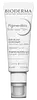
This calming day moisturizer is formulated around Niacinamide and Ascorbyl Glucoside to calm redness and strengthen the skin barrier.
This brightening day moisturizer is formulated around Ascorbyl Glucoside and Niacinamide to fade the look of dark spots and brighten dull-looking skin.

What's inside
What's inside
 Key Ingredients
Benefits
Concerns
Ingredients Side-by-side
Water
Skin ConditioningIsononyl Isononanoate
EmollientGlycerin
Humectant


Octocrylene
UV Absorber



Niacinamide
Smoothing









Ethylhexyl Salicylate
UV Absorber
Diisopropyl Sebacate
EmollientDimethicone
Emollient
Sucrose Tristearate
Emollient

Butyl Methoxydibenzoylmethane
UV Absorber
Cyclohexasiloxane
Emollient
Ammonium Polyacryloyldimethyl Taurate
Emulsion StabilisingMethylsilanol/Silicate Crosspolymer
Skin ConditioningDrometrizole Trisiloxane
UV Absorber
Ascorbyl Glucoside
Antioxidant

Polysorbate 61
Emulsifying
PEG-12 Dimethicone
Skin Conditioning
Dimethiconol
Emollient
Caffeine
Skin Conditioning
Sodium Citrate
BufferingSodium Hydroxide
BufferingSodium Stearoyl Glutamate
CleansingDisodium EDTA
Citric Acid
Buffering
Xanthan Gum
EmulsifyingSodium Benzoate
Masking
Phenoxyethanol
Preservative
Caprylyl Glycol
Emollient
CI 19140
Cosmetic ColorantCI 42090
Cosmetic ColorantWater, Isononyl Isononanoate, Glycerin, Octocrylene, Niacinamide, Ethylhexyl Salicylate, Diisopropyl Sebacate, Dimethicone, Sucrose Tristearate, Butyl Methoxydibenzoylmethane, Cyclohexasiloxane, Ammonium Polyacryloyldimethyl Taurate, Methylsilanol/Silicate Crosspolymer, Drometrizole Trisiloxane, Ascorbyl Glucoside, Polysorbate 61, PEG-12 Dimethicone, Dimethiconol, Caffeine, Sodium Citrate, Sodium Hydroxide, Sodium Stearoyl Glutamate, Disodium EDTA, Citric Acid, Xanthan Gum, Sodium Benzoate, Phenoxyethanol, Caprylyl Glycol, CI 19140, CI 42090
Water
Skin ConditioningDicaprylyl Carbonate
EmollientOctocrylene
UV Absorber
Methylene Bis-Benzotriazolyl Tetramethylbutylphenol
UV Filter
Glycerin
Humectant
Butyl Methoxydibenzoylmethane
UV Absorber
Dipropylene Glycol
HumectantBis-Ethylhexyloxyphenol Methoxyphenyl Triazine
UV Absorber
Dimethicone
Emollient
Ascorbyl Glucoside
Antioxidant
Butyrospermum Parkii Oil
Emollient
Niacinamide
Smoothing
Silica
Abrasive
Polymethylsilsesquioxane
Jojoba Esters
Emollient
Hdi/Trimethylol Hexyllactone Crosspolymer
Decyl Glucoside
Cleansing
C20-22 Alkyl Phosphate
EmulsifyingC20-22 Alcohols
Emulsion Stabilising
Xanthan Gum
EmulsifyingHelianthus Annuus Seed Wax
Skin Conditioning
Dimethicone/Vinyl Dimethicone Crosspolymer
Skin Conditioning
Pentylene Glycol
Skin Conditioning
Tocopheryl Acetate
Antioxidant
Sodium Hydroxide
BufferingHydrogenated Castor Oil
Emollient
Salicylic Acid
Masking

Sodium Citrate
BufferingLysine
Skin ConditioningAzelaic Acid
Buffering
Mannitol
Humectant
Polyglycerin-3
Humectant
Xylitol
Humectant
Andrographis Paniculata Leaf Extract
AstringentRhamnose
HumectantPropylene Glycol
Humectant
Acacia Decurrens Flower Wax
Emollient
Saccharide Isomerate
Humectant
Glycyrrhiza Glabra Root Extract
Bleaching
Tocopherol
Antioxidant
Fructooligosaccharides
Humectant
Caprylic/Capric Triglyceride
Masking
Laminaria Ochroleuca Extract
Skin Conditioning
Parfum
Masking

Water, Dicaprylyl Carbonate, Octocrylene, Methylene Bis-Benzotriazolyl Tetramethylbutylphenol, Glycerin, Butyl Methoxydibenzoylmethane, Dipropylene Glycol, Bis-Ethylhexyloxyphenol Methoxyphenyl Triazine, Dimethicone, Ascorbyl Glucoside, Butyrospermum Parkii Oil, Niacinamide, Silica, Polymethylsilsesquioxane, Jojoba Esters, Hdi/Trimethylol Hexyllactone Crosspolymer, Decyl Glucoside, C20-22 Alkyl Phosphate, C20-22 Alcohols, Xanthan Gum, Helianthus Annuus Seed Wax, Dimethicone/Vinyl Dimethicone Crosspolymer, Pentylene Glycol, Tocopheryl Acetate, Sodium Hydroxide, Hydrogenated Castor Oil, Salicylic Acid, Sodium Citrate, Lysine, Azelaic Acid, Mannitol, Polyglycerin-3, Xylitol, Andrographis Paniculata Leaf Extract, Rhamnose, Propylene Glycol, Acacia Decurrens Flower Wax, Saccharide Isomerate, Glycyrrhiza Glabra Root Extract, Tocopherol, Fructooligosaccharides, Caprylic/Capric Triglyceride, Laminaria Ochroleuca Extract, Parfum
Reviews
Ingredients Explained
These ingredients are found in both products.
Ingredients higher up in an ingredient list are typically present in a larger amount.
Ascorbyl Glucoside (AA-2G) is one of the most stable vitamin C derivatives out there.
It's made by attaching a glucose molecule to ascorbic acid; this glucose "cap" shields the vitamin C from air, light, heat, and metal ions that normally cause pure ascorbic acid to oxidize.
Once on your skin, the enzyme alpha-glucosidase snips off the glucose and gradually releases active ascorbic acid right where it's needed. Basically, it behaves like a slow-release pro-vitamin C with less of a stinging that high-strength ascorbic acid can cause.
The research supports the classic vitamin C benefits as well. In lab and human studies, AA-2G slowed down the skin's production of melanin (the pigment behind dark spots) and helped shield skin cells against sun damage better than ascorbyl phosphate.
These studies also showed AA-2G released vitamin C over a longer period.
A frequently cited manufacturer trial found that a 2% AA-2G face cream significantly improved wrinkle depth and skin roughness after 45 days.
And in 2009, a clinical trial showed it meaningfully lightened dark patches on the gums compared to a placebo.
There's also collagen-synthesis support (since vitamin C is a required cofactor for that) and an antioxidant effect too.
Typical usage is usually between 0.5-5% and most studies/products land around 2%.
AA-2G performs best when formulated at a mildly acidic pH (~5-7) which is much gentler than the pH that pure vitamin C demands (~2.5-3.5).
Just one thing worth knowing: the in-skin conversation rate is only about 55-60% by weight. So a 5% AA-2G product delivers roughly 2.75-3% of actual active vitamin C. On top of that, skin absorption is relatively low because the ingredient is water-soluble.
Learn more about Ascorbyl GlucosideAlso known as Avobenzone, this ingredient is an oil-soluble used to absorb the full spectrum of UVA rays (peak 357 nm).
It's one of the most effective UVA filters available but has a major caveat of photostability: avobenzone is susceptible to photodegradation.
This means it can lose efficacy when exposed to sunlight without the help of a stabilizing agent.
Studies show antioxidants (like vitamin E or vitamin C) and some UV filters (like octocrylene and Tinosorb S) can meaningfully improve its stability in a formulation.
The maximum allowable concentration according to regulation is 3% in the US + Canada, and 5% in the EU, Australia, China, Korea, and ASEAN countries.
It has a well-support safety profile: a comprehensive 2025 review found minimal toxicity with no evidence of carcinogenicity.
Overall, avobenzone is a safe and regulated ingredient used in sunscreen for over 40 years.
Learn more about Butyl MethoxydibenzoylmethaneDimethicone is a type of synthetic silicone created from natural materials such as quartz. It is also known as polydimethylsiloxane.
What it does:
Dimethicone comes in different viscosities:
Depending on the viscosity, dimethicone has different properties.
Ingredients lists don't always show which type is used, so we recommend reaching out to the brand if you have questions about the viscosity.
This ingredient is unlikely to cause irritation because it does not get absorbed into skin. However, people with silicone allergies should be careful about using this ingredient.
Note: Dimethicone may contribute to pilling. This is because it is not oil or water soluble, so pilling may occur when layered with products. When mixed with heavy oils in a formula, the outcome is also quite greasy.
Learn more about DimethiconeGlycerin (or glycerol) is a compound naturally found in your skin. It's a powerhouse humectant that pulls water into the stratum corneum.
Topically, glycerin does several things at once:
Your skin makes glycerin on its own (mostly from sebaceous oil breakdown) and shuttles it to your outermost layer of skin, or your epidermis, via aquaporin-3.
Aquaporin-3 is a transporter that is essential for normal skin hydration, elasticity, and repair. Interestingly, mice lacking in AQP3 have dry and less elastic skin that can be fully corrected with glycerin.
This ingredient is non-irritating, plays well with almost every ingredient, and works across all skin types. Typical use is anywhere between 3-10% but can go up to 79% in some leave-on products.
Just know very high concentrations (>40%) can feel tacky in low humidity.
Glycerin is the name for this ingredient in American English. British English uses Glycerol/Glycerine.
Learn more about GlycerinNiacinamide is a multitasking form of vitamin B3 that strengthens the skin barrier, reduces pores and dark spots, regulates oil, and improves signs of aging.
And the best part? It's gentle and well-tolerated by most skin types, including sensitive and reactive skin.
You might have heard of "niacin flush", or the reddening of skin that causes itchiness. Niacinamide has not been found to cause this.
In very rare cases, some individuals may not be able to tolerate niacinamide at all or experience an allergic reaction to it.
If you are experiencing flaking, irritation, and dryness with this ingredient, be sure to double check all your products as this ingredient can be found in all categories of skincare.
When incorporating niacinamide into your routine, look out for concentration amounts. Typically, 5% niacinamide provides benefits such as fading dark spots. However, if you have sensitive skin, it is better to begin with a smaller concentration.
When you apply niacinamide to your skin, your body converts it into nicotinamide adenine dinucleotide (NAD). NAD is an essential coenzyme that is already found in your cells as "fuel" and powers countless biological processes.
In your skin, NAD helps repair cell damage, produce new healthy cells, support collagen production, strengthen the skin barrier, and fight environmental stressors (like UV and pollution).
Our natural NAD levels start to decline with age, leading to slower skin repair, visible aging, and a weaker skin barrier. By providing your skin niacinamide, you're recharging your skin's NAD levels. This leads to stronger, healthier, and younger looking skin.
Another name for vitamin B3 is nicotinamide. This vitamin is water-soluble and our bodies don't store it. We obtain Vitamin B3 from either food or skincare. Meat, fish, wheat, yeast, and leafy greens contain vitamin B3.
The type of niacinamide used in skincare is synthetically created.
Learn more about NiacinamideOctocrylene is an oil-soluble organic UV filter that mainly absorbs UVB and short wave UVA II light.
Its real superpower is teamwork: octocrylene is remarkably photostable and is most famous for stabilizing avobenzone (the workhorse UVA filter).
This ingredient is commonly used to enhance both UVB and UVA protection due to its unique property in stabilizing avobenzone. It also pulls double duty by boosting water resistance and giving formulas a smooth, spreadable feel.
The EU's Scientific Committee on Consumer Safety (SCCS) has deemed octocrylene to be safe as a UV-filter at concentrations up to 10% (capped at 9% in propellant sprays). The US also permits it up to 10%.
Two things worth knowing:
You'll usually see this ingredient used in concentrations between 2-10% (higher amounts when used as a stabilizer for avobenzone).
Learn more about OctocryleneSodium Citrate is the sodium salts of citric acid. In skincare, it is used to alter pH levels and acts as a preservative.
Its main functions are to maintain the pH of a product and neutralize metal ions.
The acidity of our skin is maintained by our glands and skin biome; normal pH level of skin is slightly acidic (~4.75-5.5).
Being slightly acidic allows our skin to create an "acid mantle". This acid mantle is a thin barrier that protects our skin from bacteria and contaminants.
Learn more about Sodium CitrateSodium Hydroxide is also known as lye or caustic soda. It is used to adjust the pH of products; many ingredients require a specific pH to be effective.
In small amounts, sodium hydroxide is considered safe to use. However, large amounts may cause chemical burns due to its high alkaline.
Your skin has a natural pH and acid mantle. This acid mantle helps prevent harmful bacteria from breaking through. The acid mantle also helps keep your skin hydrated.
"Alkaline" refers to a high pH level. A low pH level would be considered acidic.
Learn more about Sodium HydroxideWater. It's the most common cosmetic ingredient of all. You'll usually see it at the top of ingredient lists, meaning that it makes up the largest part of the product.
So why is it so popular? Water most often acts as a solvent - this means that it helps dissolve other ingredients into the formulation.
You'll also recognize water as that liquid we all need to stay alive. If you see this, drink a glass of water. Remember to stay hydrated!
Learn more about WaterXanthan gum is used as a stabilizer and thickener within cosmetic products. It helps give products a sticky, thick feeling - preventing them from being too runny.
On the technical side of things, xanthan gum is a polysaccharide - a combination consisting of multiple sugar molecules bonded together.
Xanthan gum is a pretty common and great ingredient. It is a natural, non-toxic, non-irritating ingredient that is also commonly used in food products.
Learn more about Xanthan Gum

