

What's inside
What's inside
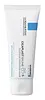 Key Ingredients
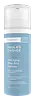
Benefits
Concerns
Ingredients Side-by-side
Water
Skin ConditioningHydrogenated Polyisobutene
EmollientDimethicone
Emollient

Glycerin
Humectant

Butyrospermum Parkii Butter
Skin Conditioning


Panthenol
Skin Conditioning

Zea Mays Starch
Absorbent
Propanediol
Solvent
Butylene Glycol
Humectant
Cetyl PEG/PPG-10/1 Dimethicone
Emulsifying
Trihydroxystearin
Skin Conditioning
Centella Asiatica Leaf Extract
Skin Conditioning
Polymnia Sonchifolia Root Juice
Skin ConditioningZinc Gluconate
Skin Conditioning


Madecassoside
Antioxidant

Manganese Gluconate
Skin ConditioningAlpha-Glucan Oligosaccharide
Cleansing
Silica
Abrasive
Aluminum Hydroxide
EmollientMagnesium Sulfate
Mannose
HumectantCapryloyl Glycine
CleansingCaprylyl Glycol
Emollient
Vitreoscilla Ferment
Skin Conditioning
Citric Acid
Buffering


Trisodium Ethylenediamine Disuccinate
Lactobacillus
Skin ConditioningAcetylated Glycol Stearate
Emollient
Maltodextrin
Absorbent
Polyglyceryl-4 Isostearate
Emulsifying
Tocopherol
Antioxidant

Pentaerythrityl Tetra-Di-T-Butyl Hydroxyhydrocinnamate
Antioxidant
Titanium Dioxide
Cosmetic Colorant

Water, Hydrogenated Polyisobutene, Dimethicone, Glycerin, Butyrospermum Parkii Butter, Panthenol, Zea Mays Starch, Propanediol, Butylene Glycol, Cetyl PEG/PPG-10/1 Dimethicone, Trihydroxystearin, Centella Asiatica Leaf Extract, Polymnia Sonchifolia Root Juice, Zinc Gluconate, Madecassoside, Manganese Gluconate, Alpha-Glucan Oligosaccharide, Silica, Aluminum Hydroxide, Magnesium Sulfate, Mannose, Capryloyl Glycine, Caprylyl Glycol, Vitreoscilla Ferment, Citric Acid, Trisodium Ethylenediamine Disuccinate, Lactobacillus, Acetylated Glycol Stearate, Maltodextrin, Polyglyceryl-4 Isostearate, Tocopherol, Pentaerythrityl Tetra-Di-T-Butyl Hydroxyhydrocinnamate, Titanium Dioxide
Water
Skin ConditioningCyclopentasiloxane
Emollient
Octyldodecyl Neopentanoate
EmollientVinyl Dimethicone/Methicone Silsesquioxane Crosspolymer
Glycerin
Humectant
Sodium Ascorbyl Phosphate
Antioxidant
Cetyl Alcohol
Emollient
Niacinamide
Smoothing
Dimethicone
Emollient
Cetearyl Alcohol
Emollient
Butylene Glycol
Humectant
Glyceryl Stearate
Emollient
PEG-100 Stearate
Surfactant
Adenosine
Skin Conditioning
Epigallocatechin Gallate
Antioxidant
Glucose Oxidase
StabilisingLactoperoxidase
StabilisingBoerhavia Diffusa Root Extract
Skin Protecting
Cocos Nucifera Fruit Extract
Emollient
Lactobacillus
Skin ConditioningPolysilicone-11
Sodium Chloride
MaskingPotassium Thiocyanate
StabilisingGlucose
Humectant
Xanthan Gum
EmulsifyingCeteareth-20
CleansingDecyl Glucoside
Cleansing
Citric Acid
Buffering
Phenoxyethanol
Preservative
Water, Cyclopentasiloxane, Octyldodecyl Neopentanoate, Vinyl Dimethicone/Methicone Silsesquioxane Crosspolymer, Glycerin, Sodium Ascorbyl Phosphate, Cetyl Alcohol, Niacinamide, Dimethicone, Cetearyl Alcohol, Butylene Glycol, Glyceryl Stearate, PEG-100 Stearate, Adenosine, Epigallocatechin Gallate, Glucose Oxidase, Lactoperoxidase, Boerhavia Diffusa Root Extract, Cocos Nucifera Fruit Extract, Lactobacillus, Polysilicone-11, Sodium Chloride, Potassium Thiocyanate, Glucose, Xanthan Gum, Ceteareth-20, Decyl Glucoside, Citric Acid, Phenoxyethanol
Reviews
Ingredients Explained
These ingredients are found in both products.
Ingredients higher up in an ingredient list are typically present in a larger amount.
Butylene Glycol (or BG) is used within cosmetic products for a few different reasons:
Overall, Butylene Glycol is a safe and well-rounded ingredient that works well with other ingredients.
Though this ingredient works well with most skin types, some people with sensitive skin may experience a reaction such as allergic rashes, closed comedones, or itchiness.
Learn more about Butylene GlycolCitric Acid is an alpha hydroxy acid (AHA) naturally found in citrus fruits like oranges, lemons, and limes.
Like other AHAs, citric acid can exfoliate skin by breaking down the bonds that hold dead skin cells together. This helps reveal smoother and brighter skin underneath.
However, this exfoliating effect only happens at high concentrations (20%) which can be hard to find in cosmetic products.
Due to this, citric acid is usually included in small amounts as a pH adjuster. This helps keep products slightly more acidic and compatible with skin's natural pH.
In skincare formulas, citric acid can:
While it can provide some skin benefits, research shows lactic acid and glycolic acid are generally more effective and less irritating exfoliants.
Most citric acid used in skincare today is made by fermenting sugars (usually from molasses). This synthetic version is identical to the natural citrus form but easier to stabilize and use in formulations.
Read more about some other popular AHA's here:
Learn more about Citric AcidDimethicone is a type of synthetic silicone created from natural materials such as quartz. It is also known as polydimethylsiloxane.
What it does:
Dimethicone comes in different viscosities:
Depending on the viscosity, dimethicone has different properties.
Ingredients lists don't always show which type is used, so we recommend reaching out to the brand if you have questions about the viscosity.
This ingredient is unlikely to cause irritation because it does not get absorbed into skin. However, people with silicone allergies should be careful about using this ingredient.
Note: Dimethicone may contribute to pilling. This is because it is not oil or water soluble, so pilling may occur when layered with products. When mixed with heavy oils in a formula, the outcome is also quite greasy.
Learn more about DimethiconeGlycerin (or glycerol) is a compound naturally found in your skin. It's a powerhouse humectant that pulls water into the stratum corneum.
Topically, glycerin does several things at once:
Your skin makes glycerin on its own (mostly from sebaceous oil breakdown) and shuttles it to your outermost layer of skin, or your epidermis, via aquaporin-3.
Aquaporin-3 is a transporter that is essential for normal skin hydration, elasticity, and repair. Interestingly, mice lacking in AQP3 have dry and less elastic skin that can be fully corrected with glycerin.
This ingredient is non-irritating, plays well with almost every ingredient, and works across all skin types. Typical use is anywhere between 3-10% but can go up to 79% in some leave-on products.
Just know very high concentrations (>40%) can feel tacky in low humidity.
Glycerin is the name for this ingredient in American English. British English uses Glycerol/Glycerine.
Learn more about GlycerinLactobacillus is the INCI name for the live, whole lactic bacteria culture itself and is classified as a skin conditioning agent.
It is the same genus of probiotic that you can find in yogurt or fermented foods and it shows up at low levels naturally on human skin.
This ingredient is more of a microbiome agent rather than an active; it helps rebalance the skin's microbial community.
The bacteria and their metabolites produce lactic acid and other antimicrobial compounds that crowd out the "bad bacteria". Research on Lactobacillus strains shows activity against pathogens and acne-causing bacteria.
One strain, Lactobacillus plantarum, has also been shown to boost collagen synthesis and lower melanin synthesis in lab and clinical observation.
The most eye-catching data comes from acne research, a topical cream with live lactobacilli was well-tolerated and improved skin hydration by 37.3% after 14 days of use and 45.6% after 28 days.
Sources for this ingredient are usually fermented substrates like dairy, soy, or rice.
In general, this is a low-irritation and well-tolerated ingredient that plays nice with most of your routine.
One thing to keep in mind is that live bacteria are hard to keep alive inside of a skincare product. They struggle to survive on the shelf and don't get along with the preservatives that stop products from spoiling.
That's why you'll see ferment and postbiotic forms instead, like Lactobacillus Ferment or Lactobacillus Ferment Lysate.
There isn't a fixed percentage for this ingredient since it is dosed by strain and viable count.
On the fungal acne front: Lactobacillus is a bacterium (not a fungus). The whole culture contains no fatty acids, esters, or oils that Malassezia can feed on so it is considered fungal acne safe.
Learn more about LactobacillusWater. It's the most common cosmetic ingredient of all. You'll usually see it at the top of ingredient lists, meaning that it makes up the largest part of the product.
So why is it so popular? Water most often acts as a solvent - this means that it helps dissolve other ingredients into the formulation.
You'll also recognize water as that liquid we all need to stay alive. If you see this, drink a glass of water. Remember to stay hydrated!
Learn more about Water
