

What's inside
What's inside
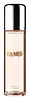 Key Ingredients
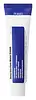
Benefits
Concerns
Ingredients Side-by-side
Methyl Gluceth-20
Humectant
Glycereth-26
Humectant
Laminaria Saccharina Extract
Skin ProtectingAlgae Extract
EmollientSesamum Indicum Seed Oil
Emollient

Medicago Sativa Seed Powder
Skin ConditioningHelianthus Annuus Seedcake
Abrasive
Prunus Amygdalus Dulcis Seed Meal
Abrasive
Eucalyptus Globulus Leaf Oil
Perfuming




Sodium Gluconate
Skin ConditioningCopper Gluconate
Skin Conditioning
Calcium Gluconate
HumectantMagnesium Gluconate
Skin ConditioningZinc Gluconate
Skin Conditioning



Tocopheryl Succinate
Antioxidant
Niacin
SmoothingSesamum Indicum Seed Powder
Skin ConditioningButylene Glycol
Humectant
PPG-28-Buteth-35
Skin ConditioningPPG-5-Ceteth-20
EmulsifyingSodium Hyaluronate
Humectant


Citric Acid
Buffering

Sodium Citrate
BufferingPolysorbate 20
Emulsifying
Sucrose
Humectant
Caffeine
Skin Conditioning
Disodium EDTA
Benzophenone-4
UV Absorber
Phenoxyethanol
Preservative
Potassium Sorbate
Preservative
Parfum
Masking

Linalool
Perfuming
CI 19140
Cosmetic ColorantCI 17200
Cosmetic ColorantMethyl Gluceth-20, Glycereth-26, Laminaria Saccharina Extract, Algae Extract, Sesamum Indicum Seed Oil, Medicago Sativa Seed Powder, Helianthus Annuus Seedcake, Prunus Amygdalus Dulcis Seed Meal, Eucalyptus Globulus Leaf Oil, Sodium Gluconate, Copper Gluconate, Calcium Gluconate, Magnesium Gluconate, Zinc Gluconate, Tocopheryl Succinate, Niacin, Sesamum Indicum Seed Powder, Butylene Glycol, PPG-28-Buteth-35, PPG-5-Ceteth-20, Sodium Hyaluronate, Citric Acid, Sodium Citrate, Polysorbate 20, Sucrose, Caffeine, Disodium EDTA, Benzophenone-4, Phenoxyethanol, Potassium Sorbate, Parfum, Linalool, CI 19140, CI 17200
Sea Water
HumectantDipropylene Glycol
HumectantGlycerin
Humectant
Water
Skin ConditioningCaprylic/Capric Triglyceride
Masking
Niacinamide
Smoothing


Phenyl Trimethicone
Skin Conditioning
Cetyl Ethylhexanoate
EmollientCetearyl Alcohol
Emollient


1,2-Hexanediol
Skin Conditioning
Sodium Acrylate/Sodium Acryloyldimethyl Taurate Copolymer
Emulsion StabilisingButylene Glycol
Humectant
Sodium Hyaluronate
Humectant
Panthenol
Skin Conditioning
Ecklonia Cava Extract
Skin ConditioningLaminaria Japonica Extract
Skin Protecting
Caulerpa Lentillifera Extract
Salicornia Herbacea Extract
Skin ConditioningAllantoin
Skin Conditioning
Macadamia Ternifolia Seed Oil
Emollient
Adenosine
Skin Conditioning
Sorbitan Stearate
Emulsifying
Sorbitan Oleate
Emulsifying
Isohexadecane
EmollientPolysorbate 80
Emulsifying
Glyceryl Stearate Se
Emulsifying
Carbomer
Emulsion StabilisingArginine
Masking
Caprylyl Glycol
Emollient
Ethylhexylglycerin
Skin ConditioningDisodium EDTA
Sea Water, Dipropylene Glycol, Glycerin, Water, Caprylic/Capric Triglyceride, Niacinamide, Phenyl Trimethicone, Cetyl Ethylhexanoate, Cetearyl Alcohol, 1,2-Hexanediol, Sodium Acrylate/Sodium Acryloyldimethyl Taurate Copolymer, Butylene Glycol, Sodium Hyaluronate, Panthenol, Ecklonia Cava Extract, Laminaria Japonica Extract, Caulerpa Lentillifera Extract, Salicornia Herbacea Extract, Allantoin, Macadamia Ternifolia Seed Oil, Adenosine, Sorbitan Stearate, Sorbitan Oleate, Isohexadecane, Polysorbate 80, Glyceryl Stearate Se, Carbomer, Arginine, Caprylyl Glycol, Ethylhexylglycerin, Disodium EDTA
Reviews
Alternatives
Ingredients Explained
These ingredients are found in both products.
Ingredients higher up in an ingredient list are typically present in a larger amount.
Butylene Glycol (or BG) is used within cosmetic products for a few different reasons:
Overall, Butylene Glycol is a safe and well-rounded ingredient that works well with other ingredients.
Though this ingredient works well with most skin types, some people with sensitive skin may experience a reaction such as allergic rashes, closed comedones, or itchiness.
Learn more about Butylene GlycolDisodium EDTA is a chelating agent. It grabs onto and deactivates metal ions that sneak into your products from water, packaging, or air.
This ingredient mainly works behind the scenes and helps with:
On top of that, this ingredient can counteract the effects of hard water by binding to the minerals in it.
One thing worth knowing is that Disodium EDTA has been shown to be a mild penetration enhancer. It can help other ingredients absorb into skin more effectively which can be a double-edged sword (great for actives, but can also make the active too strong if you have sensitive skin).
Clinical patch testing showed no significant skin irritation at typical use concentrations and minimal dermal absorption.
You'll most likely see this ingredient near the end of an ingredient list. It's typically found in concentrations less than 1%.
Learn more about Disodium EDTASodium Hyaluronate is the salt form of hyaluronic acid. It is a long sugar chain that is naturally found in your skin, joints, and connective tissue that maintains hydration and elasticity.
In skincare, it works as a humectant. It pulls water from the environment and deeper layers of skin and binds it to the surface.
Interestingly, the size of the molecule affects its behavior:
Some clinical evidence links low molecular weight versions to improved wrinkle depth, elasticity, anti-inflammatory effects, and barrier repair.
Many serums use a blend of both weights so you can get surface hydration plus longer-lasting and deeper effects.
You'll typically see concentrations between 0.1-2% for this ingredient.
Learn more about Sodium Hyaluronate

