
What's inside
What's inside
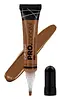 Key Ingredients
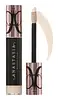
Benefits
Concerns
Ingredients Side-by-side
Water
Skin ConditioningCyclopentasiloxane
Emollient
Beeswax
Emulsion Stabilising




Stearyl Dimethicone
Emollient
Isododecane
EmollientCetyl Ethylhexanoate
EmollientMicrocrystalline Wax
Emulsion StabilisingCetyl PEG/PPG-10/1 Dimethicone
Emulsifying
Polyglyceryl-4 Oleate
Emulsifying
Mica
Cosmetic ColorantDisteardimonium Hectorite
StabilisingPhenoxyethanol
Preservative
Methylparaben
Preservative

Ethylparaben
Preservative
Butylparaben
Masking
Propylparaben
Preservative
Tocopheryl Acetate
Antioxidant


Ascorbyl Palmitate
Antioxidant

Propylene Glycol
Humectant
Chamomilla Recutita Extract
Skin Conditioning

Propylene Carbonate
SolventSodium Hyaluronate
Humectant


Iron Oxides
CI 77891
Cosmetic ColorantWater, Cyclopentasiloxane, Beeswax, Stearyl Dimethicone, Isododecane, Cetyl Ethylhexanoate, Microcrystalline Wax, Cetyl PEG/PPG-10/1 Dimethicone, Polyglyceryl-4 Oleate, Mica, Disteardimonium Hectorite, Phenoxyethanol, Methylparaben, Ethylparaben, Butylparaben, Propylparaben, Tocopheryl Acetate, Ascorbyl Palmitate, Propylene Glycol, Chamomilla Recutita Extract, Propylene Carbonate, Sodium Hyaluronate, Iron Oxides, CI 77891
Water
Skin ConditioningBehenyl Dimethicone
Skin Conditioning
Bis-Stearyl Dimethicone
Emollient
Glycerin
Humectant
Caprylyl Methicone
Skin Conditioning
C12-15 Alkyl Benzoate
AntimicrobialEthylhexyl Palmitate
Emollient
Polyglyceryl-4 Isostearate
Emulsifying
Cetyl PEG/PPG-10/1 Dimethicone
Emulsifying
Diphenyl Dimethicone
Emollient
Disteardimonium Hectorite
StabilisingAluminum Hydroxide
EmollientSodium Chloride
Masking1,2-Hexanediol
Skin Conditioning
Caprylyl Glycol
Emollient
Helianthus Annuus Seed Oil
Emollient
Talc
Abrasive
Ammonium Glycyrrhizate
MaskingDisodium EDTA
ChelatingSodium Lauroyl Glutamate
SurfactantXanthan Gum
EmulsifyingLysine
Skin ConditioningRosmarinus Officinalis Leaf Extract
AntimicrobialTocopherol
Antioxidant
Magnesium Chloride
Lecithin
Emollient
Ascorbyl Palmitate
Antioxidant
Glyceryl Stearate
Emollient
Glyceryl Oleate
Emollient

Synthetic Fluorphlogopite
Sodium Hyaluronate
Humectant
Hydrogen Dimethicone
Methicone
Emollient
Citric Acid
Buffering
Pentaerythrityl Tetra-Di-T-Butyl Hydroxyhydrocinnamate
Antioxidant
Phenoxyethanol
Preservative
CI 77891
Cosmetic ColorantIron Oxides
CI 77288
Cosmetic ColorantCI 42090
Cosmetic ColorantWater, Behenyl Dimethicone, Bis-Stearyl Dimethicone, Glycerin, Caprylyl Methicone, C12-15 Alkyl Benzoate, Ethylhexyl Palmitate, Polyglyceryl-4 Isostearate, Cetyl PEG/PPG-10/1 Dimethicone, Diphenyl Dimethicone, Disteardimonium Hectorite, Aluminum Hydroxide, Sodium Chloride, 1,2-Hexanediol, Caprylyl Glycol, Helianthus Annuus Seed Oil, Talc, Ammonium Glycyrrhizate, Disodium EDTA, Sodium Lauroyl Glutamate, Xanthan Gum, Lysine, Rosmarinus Officinalis Leaf Extract, Tocopherol, Magnesium Chloride, Lecithin, Ascorbyl Palmitate, Glyceryl Stearate, Glyceryl Oleate, Synthetic Fluorphlogopite, Sodium Hyaluronate, Hydrogen Dimethicone, Methicone, Citric Acid, Pentaerythrityl Tetra-Di-T-Butyl Hydroxyhydrocinnamate, Phenoxyethanol, CI 77891, Iron Oxides, CI 77288, CI 42090
Reviews
Alternatives
Ingredients Explained
These ingredients are found in both products.
Ingredients higher up in an ingredient list are typically present in a larger amount.
Ascorbyl Palmitate is a fat-soluble form of vitamin C (Ascorbic Acid) made by combining it with palmitic acid.
It is able to blend easily into creams and oil-based formulas because it dissolves in oils rather than water.
As you may know, regular vitamin C is notorious for breaking down when exposed to sunlight and air. Ascorbyl Palmitate is more stable and degrades at a slower rate.
Research on whether it converts efficiently into active vitamin C once it's applied on your skin is still limited.
Some in-vitro studies suggest it may support collagen production, but it is not considered one of the stronger vitamin C derivatives, like:
Due to the palmitic acid base, this ingredient may not be fungal acne safe. Comedogenic studies have also shown this ingredient to have a rating of 2.
It's also worth keeping in mind that comedogenic and irritancy ratings are tested on individual ingredients, not finished formulas. The final product's formulation, concentration, and other ingredients all play a role in how something actually behaves on your skin.
Learn more about Ascorbyl PalmitateThis ingredient is a silicone-based emulsifer that helps the water and oil phases play nicely together.
It's pretty effective because one end of the molecule loves oil and the other one loves water.
Besides holding formulas together, it also leaves a silky and lightweight feel on skin without the greasiness. A manufacturer also claims it can help with the controlled release of active ingredients.
The CIR Expert Panel found this ingredient to not be sensitizing in concentrations up to 15% in human maximazation testing and dimethicone-based compounds were not comedogenic.
It has a high molecular weight well above 1,000 g/mol which means it limits meaningful skin penetration.
A 2019 study specifically tested this ingredient and found no observable Malassezia growth in its presence.
Learn more about Cetyl PEG/PPG-10/1 DimethiconeCi 77891 is a white pigment from Titanium dioxide. It is naturally found in minerals such as rutile and ilmenite.
It's main function is to add a white color to cosmetics. It can also be mixed with other colors to create different shades.
Ci 77891 is commonly found in sunscreens due to its ability to block UV rays.
Learn more about CI 77891Disteardimonium Hectorite comes from the clay mineral named hectorite. It is used to add thickness to a product.
It can also help stabilize a product by helping to disperse other ingredients.
Hectorite is a rare, white clay mineral.
Learn more about Disteardimonium HectoritePhenoxyethanol is one of the most widely used preservatives in skincare (and for good reason!).
It has a large spectrum of antimicrobial activity and especially effective bacteria, yeast, and mold while only having a weak effect on your skin's natural microbiome.
On a cellular level, it disrupts the cell membranes of microbes by poking holes that make the cell leak. This shuts down the chemical reactions the microbe needs to make energy so it can no longer survive.
Another perk of this ingredient is that it stays functional across a wide pH range (3-10).
You'll often see it paired with boosters like Ethylhexylglycerin; one study showed that a 1:9 ratio of Ethylhexylglycerin to Phenoxyethanol damages bacterial membranes as effectively as doubling the Phenoxyethanol concentration on its own.
Typical use concentrations range from 0.3-1% depending on the formula, and this ingredient is capped at 1% int the EU.
Safety-wise, the fear mongering does not hold up to the evidence. The EU's Scientific Committee on Consumer Safety and FDA consider it safe as a preservative at up to 1%, including for children of all ages.
Adverse systemic effects only showed up in animal studies at exposures roughly 200x higher than what people get from cosmetics. And despite its very widespread use, this ingredient is a rare sensitizer and allergic reactions are uncommon.
Learn more about PhenoxyethanolSodium Hyaluronate is the salt form of hyaluronic acid. It is a long sugar chain that is naturally found in your skin, joints, and connective tissue that maintains hydration and elasticity.
In skincare, it works as a humectant. It pulls water from the environment and deeper layers of skin and binds it to the surface.
Interestingly, the size of the molecule affects its behavior:
Some clinical evidence links low molecular weight versions to improved wrinkle depth, elasticity, anti-inflammatory effects, and barrier repair.
Many serums use a blend of both weights so you can get surface hydration plus longer-lasting and deeper effects.
You'll typically see concentrations between 0.1-2% for this ingredient.
Learn more about Sodium HyaluronateWater. It's the most common cosmetic ingredient of all. You'll usually see it at the top of ingredient lists, meaning that it makes up the largest part of the product.
So why is it so popular? Water most often acts as a solvent - this means that it helps dissolve other ingredients into the formulation.
You'll also recognize water as that liquid we all need to stay alive. If you see this, drink a glass of water. Remember to stay hydrated!
Learn more about WaterThis ingredient is a combination of red, black, and yellow iron oxide pigments. This combination of colors is usually found in foundation, because it results in a "skin" color.
The EU typically uses CI numbers for colorants when applicable, such as CI 77489. In the US, iron oxides are regulated as color additives and "iron oxides" is the most commonly used name in US cosmetic practice.
A 2021 paper looked at skincare formulations containing iron oxides and found that they reduced transmission of blue light when measured optically. In simple terms, the pigment particles helped block or scatter part of the visible light spectrum in lab testing and the authors suggest this could translate into better protection against blue-light-related skin effects.
There is also clinical and experimental research showing that tinted products containing iron oxides can reduce visible light-induced pigmentation:
Please note, whether a product reduces visible or blue light depends on things like:
In the EU's CosIng database, iron oxides are only listed as a colorant. CosIng groups ingredients by their main cosmetic role, such as colorant, preservative, or UV filter.
Though studies say iron oxides can "attenuate blue light", they're describing an optical property and not an officially recognized cosmetic function.
So CosIng isn’t contradicting the research. It’s just classifying iron oxides by what they officially are: pigments that add color.
Learn more about Iron Oxides

