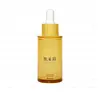
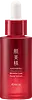
Kracie Hadabisei Wrinkle Care Facial Serum Versus Kracie Hadabisei Wrinkle Serum Anti-Wrinkle Oil Serum
This anti-aging serum is formulated around Retinyl Palmitate and Sodium Hyaluronate to soften the look of wrinkles and hydrate skin.
This anti-aging serum is formulated around Niacinamide and Panthenol to soften the look of wrinkles and refine skin texture.

What's inside
What's inside
 Key Ingredients
Benefits
Concerns
Ingredients Side-by-side
Water
Skin ConditioningGlycerin
Humectant


Alcohol
Antimicrobial




Dipropylene Glycol
HumectantPEG-75
HumectantRetinyl Palmitate
Skin Conditioning



Royal Jelly Extract
Skin Conditioning
Maranta Arundinacea Root Extract
SmoothingCyclohexane
SolventBis-Ethoxydiglycol Cyclohexane 1,4-Dicarboxylate
EmollientHydrolyzed Collagen
Emollient
Sodium Hyaluronate
Humectant

Mel Extract
MoisturisingCitrus Junos Fruit Extract
Skin ConditioningRosmarinus Officinalis Leaf Extract
AntimicrobialAloe Barbadensis Leaf Juice
Skin Conditioning
Chamomilla Recutita Flower Extract
Masking
Glycyrrhiza Glabra Root Extract
Bleaching
Camellia Sinensis Leaf Extract
Antimicrobial


Salvia Officinalis Leaf Extract
CleansingAlthaea Officinalis Root Extract
Skin Conditioning
Cucumis Sativus Fruit Extract
Emollient
Foeniculum Vulgare Fruit Extract
EmollientSpinacia Oleracea Leaf Extract
Skin ConditioningPolygonum Cuspidatum Root Extract
Antioxidant
Polyglycerin-6
HumectantSorbitol
Humectant
PEG-60 Hydrogenated Castor Oil
Emulsifying
Butylene Glycol
Humectant
Carbomer
Emulsion StabilisingXanthan Gum
EmulsifyingSqualane
Emollient
Phenyl Trimethicone
Skin Conditioning
Polysorbate 20
Emulsifying
Maltitol
HumectantPotassium Hydroxide
BufferingZea Mays Oil
Emulsifying

Disodium EDTA
ChelatingPhenoxyethanol
Preservative
Methylparaben
Preservative

Water, Glycerin, Alcohol, Dipropylene Glycol, PEG-75, Retinyl Palmitate, Royal Jelly Extract, Maranta Arundinacea Root Extract, Cyclohexane, Bis-Ethoxydiglycol Cyclohexane 1,4-Dicarboxylate, Hydrolyzed Collagen, Sodium Hyaluronate, Mel Extract, Citrus Junos Fruit Extract, Rosmarinus Officinalis Leaf Extract, Aloe Barbadensis Leaf Juice, Chamomilla Recutita Flower Extract, Glycyrrhiza Glabra Root Extract, Camellia Sinensis Leaf Extract, Salvia Officinalis Leaf Extract, Althaea Officinalis Root Extract, Cucumis Sativus Fruit Extract, Foeniculum Vulgare Fruit Extract, Spinacia Oleracea Leaf Extract, Polygonum Cuspidatum Root Extract, Polyglycerin-6, Sorbitol, PEG-60 Hydrogenated Castor Oil, Butylene Glycol, Carbomer, Xanthan Gum, Squalane, Phenyl Trimethicone, Polysorbate 20, Maltitol, Potassium Hydroxide, Zea Mays Oil, Disodium EDTA, Phenoxyethanol, Methylparaben




Ingredients Explained
These ingredients are found in both products.
Ingredients higher up in an ingredient list are typically present in a larger amount.
Butylene Glycol (or BG) is used within cosmetic products for a few different reasons:
Overall, Butylene Glycol is a safe and well-rounded ingredient that works well with other ingredients.
Though this ingredient works well with most skin types, some people with sensitive skin may experience a reaction such as allergic rashes, closed comedones, or itchiness.
Learn more about Butylene GlycolDipropylene Glycol is a synthetically created humectant, stabilizer, and solvent.
This ingredient helps:
Dipropylene glycol is technically an alcohol, but it belongs to the glycol family (often considered part of the ‘good’ alcohols). This means it is hydrating and gentle on skin unlike drying solvent alcohols like denatured alcohol.
As a masking agent, Dipropylene Glycol can be used to cover the smell of other ingredients. However, it does not have a scent.
Studies show Dipropylene Glycol is considered safe to use in skincare.
Learn more about Dipropylene GlycolGlycerin (or glycerol) is a compound naturally found in your skin. It's a powerhouse humectant that pulls water into the stratum corneum.
Topically, glycerin does several things at once:
Your skin makes glycerin on its own (mostly from sebaceous oil breakdown) and shuttles it to your outermost layer of skin, or your epidermis, via aquaporin-3.
Aquaporin-3 is a transporter that is essential for normal skin hydration, elasticity, and repair. Interestingly, mice lacking in AQP3 have dry and less elastic skin that can be fully corrected with glycerin.
This ingredient is non-irritating, plays well with almost every ingredient, and works across all skin types. Typical use is anywhere between 3-10% but can go up to 79% in some leave-on products.
Just know very high concentrations (>40%) can feel tacky in low humidity.
Glycerin is the name for this ingredient in American English. British English uses Glycerol/Glycerine.
Learn more about GlycerinPolysorbate 20 is a gentle, water-soluble emulsifier and mild surfactant. It stops oil and water from separating to keep your formulas blended and stable.
It also acts as a mild penetration enhancer by helping active ingredients absorb slightly better.
The common safety discussion around this ingredient involves a manufacturing byproduct called 1,4-dioxane.
Trace amounts can form during production but the EU's Scientific Committee on Consumer Safety has concluded that levels at/below 10 ppm in finished products are safe (commercial products consistently fall within acceptable margins).
True allergic reactions are uncommon and the CIR Expert Panel has confirmed this ingredient to be safe as used in cosmetics.
Because it is derived from lauric acid, it may not be fungal acne safe.
Learn more about Polysorbate 20Water. It's the most common cosmetic ingredient of all. You'll usually see it at the top of ingredient lists, meaning that it makes up the largest part of the product.
So why is it so popular? Water most often acts as a solvent - this means that it helps dissolve other ingredients into the formulation.
You'll also recognize water as that liquid we all need to stay alive. If you see this, drink a glass of water. Remember to stay hydrated!
Learn more about WaterYes, this ingredient is corn oil. In skincare, it acts as an emollient, skin conditioner, fragrance ingredient, and emusifier.
Like most plant oils, corn oil is basically a bundle of fatty acids: linoleic (34-62%), oleic (19-49%), palmitic (8-12%) and a bit of stearic.
The ranges of the fatty acids differ so much because it varies batch to batch depending on the cultivar and the growing conditions.
In skincare, it mostly does good plant oil stuff: it softens, sits on the surface to slow water evaporation, and makes formulas feel richer.
Now the honest part. Corn oil isn't studied much in dermatology but we do know it's the go-to vehicle in lab research. So there's decades of research where corn oil was the boring control; it never produced an effect of its own but we also don't have much research on it doing something exciting for your skin.
The one thing worth talking about is linoleic. Acne-prone follicles tend to be low in linoleate and a small study found topical linoleic acid shrank microcomedones by around 25% over a month. That was pure linoleic acid and not corn oil so it should be filed under "promising theory" rather than "proven benefit".
Concentration use can be anywhere from trace amounts to about 14% (the high end shows up in cleansers, moisturizers, body creams, and masks). Corn germ oil, which is basically the same ingredient under a different INCI name, has been reported as high as 25% but most of the time you're looking at low single digits.
Corn oil itself isn't a common allergen. Allergies to actual corn are triggered by corn proteins which is mostly refined out of the oil for cosmetic use. How much of the protein removed depends on the manufacturing process, so it's always better to patch test just in case.
This ingredient does have a comedogenic rating of 0-3, but this doesn't mean a formula with this ingredient will clog pores.
Human testing has proved that any finished product with this ingredient won't automatically make you break out; it really comes down to concentration, formula, and your skin.
The Malassezia yeast can't make its own fatty acids and breaks down oils around it to feed. Lab research shows the yeast grows when fatty acids in the C11-C24 range are available. Since corn oil is almost entirely C16-C18 fatty acids, this ingredient may not be fungal acne safe.
Learn more about Zea Mays Oil


