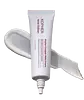
This brightening moisturizer is formulated around Chamomilla Recutita Flower Extract and Niacinamide to fade the look of dark spots and strengthen the skin barrier.
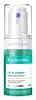
This barrier-repair serum is formulated around Panthenol and Madecassoside to strengthen the skin barrier and calm redness.


What's inside
What's inside
 Key Ingredients
Benefits
Concerns
No concerns
Ingredients Side-by-side
Chamomilla Recutita Flower Extract
Masking


Lonicera Japonica Flower Extract
Skin ConditioningHydrogenated Polydecene
EmollientGlycerin
Humectant

Neopentyl Glycol Dicaprate
EmollientMethylpropanediol
SolventCetyl PEG/PPG-10/1 Dimethicone
Emulsifying
Niacinamide
Smoothing







Cyclopentasiloxane
Emollient
Dimethicone
Emollient
Trihydroxystearin
Skin Conditioning

Cyclohexasiloxane
Emollient
Butyrospermum Parkii Butter
Skin Conditioning


Sorbitan Sesquioleate
Emulsifying
Silica
Abrasive
Sodium Chloride
MaskingCentella Asiatica Extract
Cleansing
Polygonum Cuspidatum Root Extract
Antioxidant
Scutellaria Baicalensis Root Extract
Astringent
Camellia Sinensis Leaf Extract
Antimicrobial
Glycyrrhiza Glabra Root Extract
Bleaching
Rosmarinus Officinalis Leaf Extract
AntimicrobialCastanea Sativa Seed Extract
Skin ConditioningMorus Alba Leaf Extract
Skin ConditioningSh-Oligopeptide-1
Skin Conditioning
Sh-Oligopeptide-2
Skin Conditioning
Sh-Polypeptide-1
Skin Conditioning
Sh-Polypeptide-3
Skin Conditioning
Sh-Polypeptide-9
Skin Conditioning
Sh-Polypeptide-16
Skin Protecting
Sh-Polypeptide-62
Antioxidant
Sh-Polypeptide-11
Sh-Polypeptide-22
Skin Conditioning
Sh-Polypeptide-60
Skin Conditioning
Chamaecyparis Obtusa Water
MaskingTitanium Dioxide
Cosmetic Colorant

Triethoxycaprylylsilane
Aluminum Hydroxide
EmollientButylene Glycol
Humectant
1,2-Hexanediol
Skin Conditioning
Caprylyl Glycol
Emollient
Illicium Verum Fruit Extract
Perfuming
Adenosine
Skin Conditioning
Disodium EDTA
ChelatingLavandula Angustifolia Oil
Masking



Linalool
Perfuming
Chamomilla Recutita Flower Extract, Lonicera Japonica Flower Extract, Hydrogenated Polydecene, Glycerin, Neopentyl Glycol Dicaprate, Methylpropanediol, Cetyl PEG/PPG-10/1 Dimethicone, Niacinamide, Cyclopentasiloxane, Dimethicone, Trihydroxystearin, Cyclohexasiloxane, Butyrospermum Parkii Butter, Sorbitan Sesquioleate, Silica, Sodium Chloride, Centella Asiatica Extract, Polygonum Cuspidatum Root Extract, Scutellaria Baicalensis Root Extract, Camellia Sinensis Leaf Extract, Glycyrrhiza Glabra Root Extract, Rosmarinus Officinalis Leaf Extract, Castanea Sativa Seed Extract, Morus Alba Leaf Extract, Sh-Oligopeptide-1, Sh-Oligopeptide-2, Sh-Polypeptide-1, Sh-Polypeptide-3, Sh-Polypeptide-9, Sh-Polypeptide-16, Sh-Polypeptide-62, Sh-Polypeptide-11, Sh-Polypeptide-22, Sh-Polypeptide-60, Chamaecyparis Obtusa Water, Titanium Dioxide, Triethoxycaprylylsilane, Aluminum Hydroxide, Butylene Glycol, 1,2-Hexanediol, Caprylyl Glycol, Illicium Verum Fruit Extract, Adenosine, Disodium EDTA, Lavandula Angustifolia Oil, Linalool
Water
Skin ConditioningButylene Glycol
Humectant
Pentylene Glycol
Skin Conditioning
Polyglyceryl-4 Caprate
EmulsifyingMaris Aqua
HumectantAmmonium Polyacryloyldimethyl Taurate
Emulsion StabilisingPanthenol
Skin Conditioning
Propanediol
Solvent
Madecassoside
Antioxidant
Acetyl Glutamine
Skin ConditioningLecithin
Emollient
Disodium EDTA
ChelatingEthylhexylglycerin
Skin ConditioningBacillus/Folic Acid/Soybean Ferment Extract
Skin ConditioningCaprylyl Glycol
Emollient
Sh-Oligopeptide-1
Skin Conditioning
Sh-Oligopeptide-2
Skin Conditioning
Sh-Polypeptide-1
Skin Conditioning
Sh-Polypeptide-11
Sh-Polypeptide-9
Skin Conditioning
Sodium Hyaluronate
Humectant
Xanthan Gum
EmulsifyingEmiliania Huxleyi Extract
Skin Conditioning1,2-Hexanediol
Skin Conditioning
Water, Butylene Glycol, Pentylene Glycol, Polyglyceryl-4 Caprate, Maris Aqua, Ammonium Polyacryloyldimethyl Taurate, Panthenol, Propanediol, Madecassoside, Acetyl Glutamine, Lecithin, Disodium EDTA, Ethylhexylglycerin, Bacillus/Folic Acid/Soybean Ferment Extract, Caprylyl Glycol, Sh-Oligopeptide-1, Sh-Oligopeptide-2, Sh-Polypeptide-1, Sh-Polypeptide-11, Sh-Polypeptide-9, Sodium Hyaluronate, Xanthan Gum, Emiliania Huxleyi Extract, 1,2-Hexanediol
Reviews
Ingredients Explained
These ingredients are found in both products.
Ingredients higher up in an ingredient list are typically present in a larger amount.
1,2-Hexanediol is a synthetic liquid and another multi-functional powerhouse.
It is a:
- Humectant, drawing moisture into the skin
- Emollient, helping to soften skin
- Solvent, dispersing and stabilizing formulas
- Preservative booster, enhancing the antimicrobial activity of other preservatives
Butylene Glycol (or BG) is used within cosmetic products for a few different reasons:
Overall, Butylene Glycol is a safe and well-rounded ingredient that works well with other ingredients.
Though this ingredient works well with most skin types, some people with sensitive skin may experience a reaction such as allergic rashes, closed comedones, or itchiness.
Learn more about Butylene GlycolCaprylyl Glycol is a humectant, skin conditioner, emollient, and preservative booster derived from either caprylic acid or synthetically created.
Typical use levels vary from 0.3-1% as a preservative booster and go up to 2% to condition skin.
Because it is not a free-fatty acid, this ingredient is fungal acne safe (there's nothing for Malassezia to feed on).
Learn more about Caprylyl GlycolDisodium EDTA is a chelating agent. It grabs onto and deactivates metal ions that sneak into your products from water, packaging, or air.
This ingredient mainly works behind the scenes and helps with:
On top of that, this ingredient can counteract the effects of hard water by binding to the minerals in it.
One thing worth knowing is that Disodium EDTA has been shown to be a mild penetration enhancer. It can help other ingredients absorb into skin more effectively which can be a double-edged sword (great for actives, but can also make the active too strong if you have sensitive skin).
Clinical patch testing showed no significant skin irritation at typical use concentrations and minimal dermal absorption.
You'll most likely see this ingredient near the end of an ingredient list. It's typically found in concentrations less than 1%.
Learn more about Disodium EDTAsh-Oligopeptide-1 is a peptide found naturally in our bodies. Peptides are the building blocks for collagen and elastin in our skin.
In cosmetics, this ingredient is bioengineered to be identical to a human gene that codes for epidermal growth factor (EGF). EGF are signal molecules that simulate cell growth and healing.
Studies find EGF help with:
In South Korea and China, EGF is considered a controversial ingredient. The South Korean Ministry of Food and Drug Safety has cracked down on companies with products including EGF due to false advertisement claims.
According to Dr. Zoe Draelos, growth factors have some drawbacks:
There is also controversy surrounding growth factors. The controversy is due to their mitogenic activity, or their ability to increase the number of cells. It is best to avoid using growth factors if you have psoriasis or are at risk of skin cancer. However, it should be noted EGF are not mutagenic - meaning they will not cause cancer.
Learn more about Sh-Oligopeptide-1This peptide has similar properties to Sh-Oligopeptide-1.
In cosmetics, this ingredient is bioengineered to be identical to a human gene that codes for epidermal growth factor (EGF). EGF are signal molecules that simulate cell growth and healing.
There is also controversy surrounding EGF. The controversy is due to their mitogenic activity, or their ability to increase the number of cells. It is best to avoid using growth factors if you have psoriasis or are at risk of skin cancer. However, it should be noted EGF are not mutagenic - meaning they will not cause cancer.
Learn more about Sh-Oligopeptide-2Sh-Polypeptide-1 is a signal peptide that tells our cells to create more fibroblast cells. Fibroblasts maintain skin structure and plays a role in wound healing.
It is important to note this ingredient is mitogenic and not mutagenic. Meaning it will stimulate cell multiplication, and will not cause cancer.
Sh-Polypeptide-11 is a signal protein that tells our skin to create more fibroblast cells. Fibroblasts maintain skin structure and plays a role in wound healing.
It is important to note this ingredient is mitogenic and not mutagenic. Meaning it will stimulate cell multiplication, and will not cause cancer.
Sh-Polypeptide-9 is a signal peptide that tells our body to create more blood vessels.
It is important to note, this ingredient is mitogenic and not mutagenic. Meaning it will stimulate cell multiplication, and will not cause cancer.


