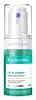
This barrier-repair serum is formulated around Panthenol and Madecassoside to strengthen the skin barrier and calm redness.
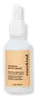
This barrier-repair serum is formulated around Aloe Barbadensis Leaf Juice and Beta-Glucan to strengthen the skin barrier and hydrate skin.


What's inside
What's inside
 Key Ingredients
Benefits
Concerns
No concerns
Ingredients Side-by-side
Water
Skin ConditioningButylene Glycol
Humectant

Pentylene Glycol
Skin Conditioning
Polyglyceryl-4 Caprate
EmulsifyingMaris Aqua
HumectantAmmonium Polyacryloyldimethyl Taurate
Emulsion StabilisingPanthenol
Skin Conditioning


Propanediol
Solvent
Madecassoside
Antioxidant


Acetyl Glutamine
Skin ConditioningLecithin
Emollient
Disodium EDTA
ChelatingEthylhexylglycerin
Skin ConditioningBacillus/Folic Acid/Soybean Ferment Extract
Skin ConditioningCaprylyl Glycol
Emollient
Sh-Oligopeptide-1
Skin Conditioning
Sh-Oligopeptide-2
Skin Conditioning
Sh-Polypeptide-1
Skin Conditioning
Sh-Polypeptide-11
Sh-Polypeptide-9
Skin Conditioning
Sodium Hyaluronate
Humectant
Xanthan Gum
EmulsifyingEmiliania Huxleyi Extract
Skin Conditioning1,2-Hexanediol
Skin Conditioning
Water, Butylene Glycol, Pentylene Glycol, Polyglyceryl-4 Caprate, Maris Aqua, Ammonium Polyacryloyldimethyl Taurate, Panthenol, Propanediol, Madecassoside, Acetyl Glutamine, Lecithin, Disodium EDTA, Ethylhexylglycerin, Bacillus/Folic Acid/Soybean Ferment Extract, Caprylyl Glycol, Sh-Oligopeptide-1, Sh-Oligopeptide-2, Sh-Polypeptide-1, Sh-Polypeptide-11, Sh-Polypeptide-9, Sodium Hyaluronate, Xanthan Gum, Emiliania Huxleyi Extract, 1,2-Hexanediol
Aloe Barbadensis Leaf Juice
Skin Conditioning
Water
Skin ConditioningPropanediol
Solvent
Glycerin
Humectant
Simmondsia Chinensis Seed Oil
Emollient


Squalane
Emollient
Beta-Glucan
Skin Conditioning
Lysolecithin
EmulsifyingSclerotium Gum
Emulsion StabilisingPullulan
Xanthan Gum
EmulsifyingCeramide NP
Skin Conditioning
Ceramide Ns
Skin Conditioning
Ceramide AP
Skin Conditioning
Ceramide Eos
Skin Conditioning
Ceramide EOP
Skin Conditioning
Sodium Levulinate
Skin ConditioningSodium Anisate
AntimicrobialTocopherol
Antioxidant


Cetyl Alcohol
Emollient
Caprylyl Glycol
Emollient
Ceteareth-25
CleansingSilica
Abrasive


Caprooyl Phytosphingosine
Skin Conditioning
Caprooyl Sphingosine
Skin ConditioningCholesterol
Emollient
Helianthus Annuus Seed Oil
Emollient
Glyceryl Caprylate
EmollientPhenoxyethanol
Preservative
Sodium Benzoate
Masking
Ethylhexylglycerin
Skin Conditioning1,2-Hexanediol
Skin Conditioning
Citric Acid
Buffering
Behenic Acid
Cleansing
Aloe Barbadensis Leaf Juice, Water, Propanediol, Glycerin, Simmondsia Chinensis Seed Oil, Squalane, Beta-Glucan, Lysolecithin, Sclerotium Gum, Pullulan, Xanthan Gum, Ceramide NP, Ceramide Ns, Ceramide AP, Ceramide Eos, Ceramide EOP, Sodium Levulinate, Sodium Anisate, Tocopherol, Cetyl Alcohol, Caprylyl Glycol, Ceteareth-25, Silica, Caprooyl Phytosphingosine, Caprooyl Sphingosine, Cholesterol, Helianthus Annuus Seed Oil, Glyceryl Caprylate, Phenoxyethanol, Sodium Benzoate, Ethylhexylglycerin, 1,2-Hexanediol, Citric Acid, Behenic Acid
Reviews
Ingredients Explained
These ingredients are found in both products.
Ingredients higher up in an ingredient list are typically present in a larger amount.
1,2-Hexanediol is a synthetic liquid and another multi-functional powerhouse.
It is a:
- Humectant, drawing moisture into the skin
- Emollient, helping to soften skin
- Solvent, dispersing and stabilizing formulas
- Preservative booster, enhancing the antimicrobial activity of other preservatives
Caprylyl Glycol is a humectant, skin conditioner, emollient, and preservative booster derived from either caprylic acid or synthetically created.
Typical use levels vary from 0.3-1% as a preservative booster and go up to 2% to condition skin.
Because it is not a free-fatty acid, this ingredient is fungal acne safe (there's nothing for Malassezia to feed on).
Learn more about Caprylyl GlycolEthylhexylglycerin is created from glycerin. It is a multitasker ingredient that:
The CIR Expert Panel found minimal skin absorption or sensitization of any kind in a safety assessment. Though this ingredient is considered well-tolerated, a small number of cases of allergic dermatitis have been published since 2002. Just be sure to patch test if you are unsure.
Industry-reported use ranges from 8% in rinse-off products and 2% in leave-on formulations.
Learn more about EthylhexylglycerinPropanediol is an all-star ingredient. It softens, hydrates, and smooths the skin.
It’s often used to:
Propanediol is not likely to cause sensitivity and considered safe to use. It is derived from corn or petroleum with a clear color and no scent.
Learn more about PropanediolWater. It's the most common cosmetic ingredient of all. You'll usually see it at the top of ingredient lists, meaning that it makes up the largest part of the product.
So why is it so popular? Water most often acts as a solvent - this means that it helps dissolve other ingredients into the formulation.
You'll also recognize water as that liquid we all need to stay alive. If you see this, drink a glass of water. Remember to stay hydrated!
Learn more about WaterXanthan gum is used as a stabilizer and thickener within cosmetic products. It helps give products a sticky, thick feeling - preventing them from being too runny.
On the technical side of things, xanthan gum is a polysaccharide - a combination consisting of multiple sugar molecules bonded together.
Xanthan gum is a pretty common and great ingredient. It is a natural, non-toxic, non-irritating ingredient that is also commonly used in food products.
Learn more about Xanthan Gum

