KIKO Milano Pink Clay Mask Versus Origins Clear Improvement™ Pore Clearing Moisturizer With Bamboo Charcoal
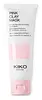
This wash off mask is made with Kaolin and Niacinamide for a rinse-off oil-control boost.
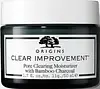
This pore-care moisturizer is formulated around Salicylic Acid and Charcoal Powder to refine the look of pores and clear breakouts.


What's inside
What's inside
 Key Ingredients
Benefits
Concerns
Ingredients Side-by-side
Water
Skin ConditioningGlycerin
Humectant


Kaolin
Abrasive



Caprylic/Capric Triglyceride
Masking
Steareth-2
EmulsifyingEthylhexyl Stearate
Emollient




Stearic Acid
Cleansing
Cetearyl Alcohol
Emollient
Steareth-21
CleansingButyrospermum Parkii Butter
Skin Conditioning
Niacinamide
Smoothing






PPG-15 Stearyl Ether
EmollientXanthan Gum
EmulsifyingPvp
Emulsion StabilisingSodium Acrylates Crosspolymer-2
AbsorbentTocopheryl Acetate
Antioxidant

Parfum
Masking


Chamomilla Recutita Flower Extract
Masking
Hydroxyacetophenone
Antioxidant
BHT
Antioxidant
Disodium EDTA
Phenoxyethanol
Preservative
Ethylhexylglycerin
Skin ConditioningSodium Benzoate
Masking
Potassium Sorbate
Preservative
Benzyl Alcohol
Perfuming

CI 77891
Cosmetic ColorantCI 14700
Cosmetic ColorantWater, Glycerin, Kaolin, Caprylic/Capric Triglyceride, Steareth-2, Ethylhexyl Stearate, Stearic Acid, Cetearyl Alcohol, Steareth-21, Butyrospermum Parkii Butter, Niacinamide, PPG-15 Stearyl Ether, Xanthan Gum, Pvp, Sodium Acrylates Crosspolymer-2, Tocopheryl Acetate, Parfum, Chamomilla Recutita Flower Extract, Hydroxyacetophenone, BHT, Disodium EDTA, Phenoxyethanol, Ethylhexylglycerin, Sodium Benzoate, Potassium Sorbate, Benzyl Alcohol, CI 77891, CI 14700
Salicylic Acid 1%
Masking

Ethylhexyl Palmitate
Emollient
PPG-14 Butyl Ether
Skin ConditioningHamamelis Virginiana Water
Astringent
Dimethicone
Emollient
Ammonium Acryloyldimethyltaurate/Vp Copolymer
PEG-7 Glyceryl Cocoate
Emulsifying
Silica
Abrasive
Steareth-21
CleansingLavandula Angustifolia Oil
Masking

Citrus Limon Peel Oil
Masking
Mentha Viridis Leaf Oil
Astringent
Gaultheria Procumbens Leaf Oil
Masking
Cananga Odorata Flower Oil
Masking
Eugenia Caryophyllus Bud Oil
Masking
Rosmarinus Officinalis Leaf Oil
Masking
Citral
Perfuming
Geraniol
Perfuming
Eugenol
Perfuming
Linalool
Perfuming
Limonene
Perfuming
Benzyl Benzoate
Antimicrobial
Eugenia Caryophyllus Flower Extract
AstringentCharcoal Powder
Abrasive
Porphyra Yezoensis Extract
Skin ConditioningSucrose
Humectant
Glycine
Buffering
Algae Extract
Emollient
Avena Sativa Kernel Extract
Abrasive
Caffeine
Skin Conditioning
Glucosamine Hcl
Sodium Hyaluronate
Humectant
Laminaria Saccharina Extract
Skin Protecting
Glycine Soja Seed
Skin ConditioningButylene Glycol
Humectant
Steareth-2
EmulsifyingZinc PCA
Humectant
Quaternium-22
Menthol
Masking
Alcohol
Antimicrobial
Disodium EDTA
Phenoxyethanol
Preservative
Salicylic Acid 1%, Ethylhexyl Palmitate, PPG-14 Butyl Ether, Hamamelis Virginiana Water, Dimethicone, Ammonium Acryloyldimethyltaurate/Vp Copolymer, PEG-7 Glyceryl Cocoate, Silica, Steareth-21, Lavandula Angustifolia Oil, Citrus Limon Peel Oil, Mentha Viridis Leaf Oil, Gaultheria Procumbens Leaf Oil, Cananga Odorata Flower Oil, Eugenia Caryophyllus Bud Oil, Rosmarinus Officinalis Leaf Oil, Citral, Geraniol, Eugenol, Linalool, Limonene, Benzyl Benzoate, Eugenia Caryophyllus Flower Extract, Charcoal Powder, Porphyra Yezoensis Extract, Sucrose, Glycine, Algae Extract, Avena Sativa Kernel Extract, Caffeine, Glucosamine Hcl, Sodium Hyaluronate, Laminaria Saccharina Extract, Glycine Soja Seed, Butylene Glycol, Steareth-2, Zinc PCA, Quaternium-22, Menthol, Alcohol, Disodium EDTA, Phenoxyethanol
Alternatives
Ingredients Explained
These ingredients are found in both products.
Ingredients higher up in an ingredient list are typically present in a larger amount.
Disodium EDTA is a chelating agent. It grabs onto and deactivates metal ions that sneak into your products from water, packaging, or air.
This ingredient mainly works behind the scenes and helps with:
On top of that, this ingredient can counteract the effects of hard water by binding to the minerals in it.
One thing worth knowing is that Disodium EDTA has been shown to be a mild penetration enhancer. It can help other ingredients absorb into skin more effectively which can be a double-edged sword (great for actives, but can also make the active too strong if you have sensitive skin).
Clinical patch testing showed no significant skin irritation at typical use concentrations and minimal dermal absorption.
You'll most likely see this ingredient near the end of an ingredient list. It's typically found in concentrations less than 1%.
Learn more about Disodium EDTAPhenoxyethanol is one of the most widely used preservatives in skincare (and for good reason!).
It has a large spectrum of antimicrobial activity and especially effective bacteria, yeast, and mold while only having a weak effect on your skin's natural microbiome.
On a cellular level, it disrupts the cell membranes of microbes by poking holes that make the cell leak. This shuts down the chemical reactions the microbe needs to make energy so it can no longer survive.
Another perk of this ingredient is that it stays functional across a wide pH range (3-10).
You'll often see it paired with boosters like Ethylhexylglycerin; one study showed that a 1:9 ratio of Ethylhexylglycerin to Phenoxyethanol damages bacterial membranes as effectively as doubling the Phenoxyethanol concentration on its own.
Typical use concentrations range from 0.3-1% depending on the formula, and this ingredient is capped at 1% int the EU.
Safety-wise, the fear mongering does not hold up to the evidence. The EU's Scientific Committee on Consumer Safety and FDA consider it safe as a preservative at up to 1%, including for children of all ages.
Adverse systemic effects only showed up in animal studies at exposures roughly 200x higher than what people get from cosmetics. And despite its very widespread use, this ingredient is a rare sensitizer and allergic reactions are uncommon.
Learn more about PhenoxyethanolSteareth-2 is a waxy compound used to emulsify ingredients. It is created from polyethylene glycol and stearyl alcohol. The 2 stands for the number of ethylene oxide units used to create this ingredient.
Due to the low degree of ethoxylation, the molecule stays mostly oil-loving. That's why you'll often see it paired with water-loving steareth-20 or steareth-21 to create elegant emulsions.
In testing, this ingredient was nontoxic in acute oral studies and not a skin irritant or sensitizer.
You might hear concerns about 1,4-dioxane as a byproduct of ethoxylation; this is well-known in the industry and is controlled through purification steps before the ingredient is blended into finished products.
Learn more about Steareth-2Steareth-21 is a nonionic emulsifier made by reacting stearyl alcohol with 21 units of ethylene oxide. It is mainly a cleansing agent and emulsifier.
The "21" in the name just tells you it has a longer water-loving chain. This makes it more gentle and less likely to irritate skin compared to lower-numbered steareths.
You'll most likely see it paired with steareth-2 because the two work together to create stable formulations.
1,4-dioxane is often brought up as a concern but this is usually removed through purification.
Learn more about Steareth-21

