Kiehl's Clearly Corrective Dark Spot Solution Versus Estée Lauder Advanced Night Repair Synchronized Recovery Complex II
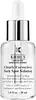
This brightening treatment is formulated around 3-O-Ethyl Ascorbic Acid and Salicylic Acid to fade the look of dark spots and brighten dull-looking skin.
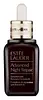
This barrier-repair serum is formulated around Bifida Ferment Lysate to strengthen the skin barrier.

What's inside
What's inside
 Key Ingredients
Benefits
Concerns
Ingredients Side-by-side
Water
Skin ConditioningPropylene Glycol
Humectant


Glycerin
Humectant

Alcohol Denat.
Antimicrobial


PEG/PPG/Polybutylene Glycol-8/5/3 Glycerin
HumectantHydroxypropyl Tetrahydropyrantriol
Skin Conditioning3-O-Ethyl Ascorbic Acid
Skin Conditioning




PPG-6-Decyltetradeceth-30
EmulsifyingPhenoxyethanol
Preservative
Salicylic Acid
Masking


Xanthan Gum
EmulsifyingHydroxyethylcellulose
Emulsion StabilisingPotassium Hydroxide
BufferingCitric Acid
Buffering
Sodium Citrate
BufferingTocopheryl Acetate
Antioxidant

Lavandula Angustifolia Oil
Masking



Disodium EDTA
Adenosine
Skin Conditioning

Linalool
Perfuming
Butylene Glycol
Humectant
Tocopherol
Antioxidant
Citrus Aurantium Tachibana Peel Extract
HumectantPaeonia Suffruticosa Root Extract
Skin ProtectingWater, Propylene Glycol, Glycerin, Alcohol Denat., PEG/PPG/Polybutylene Glycol-8/5/3 Glycerin, Hydroxypropyl Tetrahydropyrantriol, 3-O-Ethyl Ascorbic Acid, PPG-6-Decyltetradeceth-30, Phenoxyethanol, Salicylic Acid, Xanthan Gum, Hydroxyethylcellulose, Potassium Hydroxide, Citric Acid, Sodium Citrate, Tocopheryl Acetate, Lavandula Angustifolia Oil, Disodium EDTA, Adenosine, Linalool, Butylene Glycol, Tocopherol, Citrus Aurantium Tachibana Peel Extract, Paeonia Suffruticosa Root Extract
Water
Skin ConditioningBifida Ferment Lysate
Skin Conditioning
Methyl Gluceth-20
Humectant
PEG-75
HumectantBis-PEG-18 Methyl Ether Dimethyl Silane
EmollientButylene Glycol
Humectant
Propanediol
Solvent
Cola Acuminata Seed Extract
Skin ConditioningHydrolyzed Algin
Pantethine
EmollientCaffeine
Skin Conditioning
Lecithin
Emollient
Tripeptide-32
Skin Conditioning
Ethylhexylglycerin
Skin ConditioningSodium Rna
Skin ConditioningBisabolol
Antioxidant
Glycereth-26
Humectant
Squalane
Emollient
Sodium Hyaluronate
Humectant
Oleth-3 Phosphate
SurfactantCaprylyl Glycol
Emollient
Lactobacillus Ferment
Skin Conditioning
Oleth-3
Emulsifying

Oleth-5
Emulsifying
Anthemis Nobilis Flower Extract
Masking
Faex Extract
Skin ConditioningCholeth-24
EmulsifyingHydrogenated Lecithin
Emulsifying
Ceteth-24
CleansingTocopheryl Acetate
Antioxidant
Ethylhexyl Methoxycinnamate
UV Absorber

Hexylene Glycol
EmulsifyingCarbomer
Emulsion StabilisingTriethanolamine
BufferingTrisodium EDTA
BHT
Antioxidant
Xanthan Gum
EmulsifyingPhenoxyethanol
Preservative
CI 14700
Cosmetic ColorantCI 19140
Cosmetic ColorantWater, Bifida Ferment Lysate, Methyl Gluceth-20, PEG-75, Bis-PEG-18 Methyl Ether Dimethyl Silane, Butylene Glycol, Propanediol, Cola Acuminata Seed Extract, Hydrolyzed Algin, Pantethine, Caffeine, Lecithin, Tripeptide-32, Ethylhexylglycerin, Sodium Rna, Bisabolol, Glycereth-26, Squalane, Sodium Hyaluronate, Oleth-3 Phosphate, Caprylyl Glycol, Lactobacillus Ferment, Oleth-3, Oleth-5, Anthemis Nobilis Flower Extract, Faex Extract, Choleth-24, Hydrogenated Lecithin, Ceteth-24, Tocopheryl Acetate, Ethylhexyl Methoxycinnamate, Hexylene Glycol, Carbomer, Triethanolamine, Trisodium EDTA, BHT, Xanthan Gum, Phenoxyethanol, CI 14700, CI 19140
Reviews
Ingredients Explained
These ingredients are found in both products.
Ingredients higher up in an ingredient list are typically present in a larger amount.
Butylene Glycol (or BG) is used within cosmetic products for a few different reasons:
Overall, Butylene Glycol is a safe and well-rounded ingredient that works well with other ingredients.
Though this ingredient works well with most skin types, some people with sensitive skin may experience a reaction such as allergic rashes, closed comedones, or itchiness.
Learn more about Butylene GlycolPhenoxyethanol is one of the most widely used preservatives in skincare (and for good reason!).
It has a large spectrum of antimicrobial activity and especially effective bacteria, yeast, and mold while only having a weak effect on your skin's natural microbiome.
On a cellular level, it disrupts the cell membranes of microbes by poking holes that make the cell leak. This shuts down the chemical reactions the microbe needs to make energy so it can no longer survive.
Another perk of this ingredient is that it stays functional across a wide pH range (3-10).
You'll often see it paired with boosters like Ethylhexylglycerin; one study showed that a 1:9 ratio of Ethylhexylglycerin to Phenoxyethanol damages bacterial membranes as effectively as doubling the Phenoxyethanol concentration on its own.
Typical use concentrations range from 0.3-1% depending on the formula, and this ingredient is capped at 1% int the EU.
Safety-wise, the fear mongering does not hold up to the evidence. The EU's Scientific Committee on Consumer Safety and FDA consider it safe as a preservative at up to 1%, including for children of all ages.
Adverse systemic effects only showed up in animal studies at exposures roughly 200x higher than what people get from cosmetics. And despite its very widespread use, this ingredient is a rare sensitizer and allergic reactions are uncommon.
Learn more about PhenoxyethanolTocopheryl Acetate is a stable, shelf-friendly form of vitamin E.
Formulators love it because plain vitamin E oxidizes quickly once it hits air. This acetate version stays stable and resists going off, helping to extend a product's shelf life.
It's actually inactive on its own and works like a slow-release "storage" form; the enzymes in your skin called esterases gradually convert it into active vitamin E over time.
One in vivo study showed 5% of the acetate in the living layer of the epidermis converted to vitamin E after 5 days of application. This study also found the skin gained protection against UV damage even though the conversion was slow and small.
Once converted, vitamin E acts as a skin's main fat-soluble antioxidant that fights free radicals to protect skin from damage.
Topical vitamin E generally boosts the skin's photoprotection, and it reduced UV-damage in animal models.
This ingredient has some brightening potential but it's more of a prevention ingredient than spot-fader. Cell studies show it can slow down melanin production but it's worth noting that it's not the most powerful brightener out there.
Overall, it has a pretty solid safety profile and has been found to be non-irritating and non-comedogenic. Allergic reactions may happen but stay rare due to how widely the ingredient gets used.
The concentration will vary depending on the formula; industry data shows 0.1% in baby lotions, 3% in lipsticks, and 5% in foot powders. You can also find this ingredient at 100% in a pure vitamin E oil.
Most leave-on skincare keeps it at the lower end, often between 0.5-1%.
Learn more about Tocopheryl AcetateWater. It's the most common cosmetic ingredient of all. You'll usually see it at the top of ingredient lists, meaning that it makes up the largest part of the product.
So why is it so popular? Water most often acts as a solvent - this means that it helps dissolve other ingredients into the formulation.
You'll also recognize water as that liquid we all need to stay alive. If you see this, drink a glass of water. Remember to stay hydrated!
Learn more about WaterXanthan gum is used as a stabilizer and thickener within cosmetic products. It helps give products a sticky, thick feeling - preventing them from being too runny.
On the technical side of things, xanthan gum is a polysaccharide - a combination consisting of multiple sugar molecules bonded together.
Xanthan gum is a pretty common and great ingredient. It is a natural, non-toxic, non-irritating ingredient that is also commonly used in food products.
Learn more about Xanthan Gum

