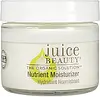
This barrier-repair moisturizer is formulated around Aloe Barbadensis Leaf Extract and Butyrospermum Parkii Butter to strengthen the skin barrier and hydrate skin.
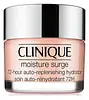
This barrier-repair moisturizer is formulated around Sodium Hyaluronate to strengthen the skin barrier and hydrate skin.

What's inside
What's inside
 Key Ingredients
Benefits
Concerns
Ingredients Side-by-side
Vitis Vinifera
MaskingAloe Barbadensis Leaf Extract
Emollient


Cetearyl Alcohol
Emollient






Butyrospermum Parkii Butter
Skin Conditioning
Glycerin
Humectant
Cetearyl Glucoside
Emulsifying
Simmondsia Chinensis Seed Oil
Emollient
Oenothera Biennis Oil
Emollient
Linum Usitatissimum Seed Oil
Perfuming
Borago Officinalis Seed Oil
Emollient
Limnanthes Alba Seed Oil
Skin Conditioning
Gluconolactone
Skin Conditioning






Sodium Benzoate
Masking
Sorbitan Stearate
Emulsifying
Magnesium Ascorbyl Phosphate
Antioxidant

Tocopherol
Antioxidant

Sodium Hyaluronate
Humectant
Calendula Officinalis Extract
Skin Conditioning
Chamomilla Recutita Extract
Skin Conditioning
Tilia Cordata Extract
RefreshingCoenochloris Signiensis Extract
Skin ConditioningPotassium Sorbate
Preservative
Copernicia Cerifera Cera
Emollient
Litsea Cubeba Fruit Oil
Masking

Cananga Odorata Flower Oil
Masking
Boswellia Carterii Oil
Masking
Commiphora Myrrha Oil
Masking
Vitis Vinifera, Aloe Barbadensis Leaf Extract, Cetearyl Alcohol, Butyrospermum Parkii Butter, Glycerin, Cetearyl Glucoside, Simmondsia Chinensis Seed Oil, Oenothera Biennis Oil, Linum Usitatissimum Seed Oil, Borago Officinalis Seed Oil, Limnanthes Alba Seed Oil, Gluconolactone, Sodium Benzoate, Sorbitan Stearate, Magnesium Ascorbyl Phosphate, Tocopherol, Sodium Hyaluronate, Calendula Officinalis Extract, Chamomilla Recutita Extract, Tilia Cordata Extract, Coenochloris Signiensis Extract, Potassium Sorbate, Copernicia Cerifera Cera, Litsea Cubeba Fruit Oil, Cananga Odorata Flower Oil, Boswellia Carterii Oil, Commiphora Myrrha Oil
Water
Skin ConditioningDimethicone
Emollient
Butylene Glycol
Humectant
Glycerin
Humectant
Trisiloxane
Skin Conditioning
Trehalose
Humectant
Sucrose
Humectant
Ammonium Acryloyldimethyltaurate/Vp Copolymer
Hydroxyethyl Urea
Humectant
Camellia Sinensis Leaf Extract
Antimicrobial
Silybum Marianum Extract
Skin Conditioning
Betula Alba Bark Extract
Masking
Saccharomyces Lysate Extract
Humectant
Aloe Barbadensis Leaf Water
MaskingThermus Thermophillus Ferment
Skin ConditioningCaffeine
Skin Conditioning
Sorbitol
Humectant
Palmitoyl Hexapeptide-12
Skin Conditioning
Sodium Hyaluronate
Humectant
Caprylyl Glycol
Emollient
Oleth-10
EmulsifyingSodium Polyaspartate
HumectantSaccharide Isomerate
Humectant
Hydrogenated Lecithin
Emulsifying
Tocopheryl Acetate
Antioxidant
Acrylates/C10-30 Alkyl Acrylate Crosspolymer
Emulsion StabilisingGlyceryl Polymethacrylate
Tromethamine
BufferingPEG-8
HumectantHexylene Glycol
EmulsifyingMagnesium Ascorbyl Phosphate
Antioxidant
Disodium EDTA
BHT
Antioxidant
Phenoxyethanol
Preservative
CI 14700
Cosmetic ColorantCI 19140
Cosmetic ColorantWater, Dimethicone, Butylene Glycol, Glycerin, Trisiloxane, Trehalose, Sucrose, Ammonium Acryloyldimethyltaurate/Vp Copolymer, Hydroxyethyl Urea, Camellia Sinensis Leaf Extract, Silybum Marianum Extract, Betula Alba Bark Extract, Saccharomyces Lysate Extract, Aloe Barbadensis Leaf Water, Thermus Thermophillus Ferment, Caffeine, Sorbitol, Palmitoyl Hexapeptide-12, Sodium Hyaluronate, Caprylyl Glycol, Oleth-10, Sodium Polyaspartate, Saccharide Isomerate, Hydrogenated Lecithin, Tocopheryl Acetate, Acrylates/C10-30 Alkyl Acrylate Crosspolymer, Glyceryl Polymethacrylate, Tromethamine, PEG-8, Hexylene Glycol, Magnesium Ascorbyl Phosphate, Disodium EDTA, BHT, Phenoxyethanol, CI 14700, CI 19140
Alternatives
Ingredients Explained
These ingredients are found in both products.
Ingredients higher up in an ingredient list are typically present in a larger amount.
Glycerin (or glycerol) is a compound naturally found in your skin. It's a powerhouse humectant that pulls water into the stratum corneum.
Topically, glycerin does several things at once:
Your skin makes glycerin on its own (mostly from sebaceous oil breakdown) and shuttles it to your outermost layer of skin, or your epidermis, via aquaporin-3.
Aquaporin-3 is a transporter that is essential for normal skin hydration, elasticity, and repair. Interestingly, mice lacking in AQP3 have dry and less elastic skin that can be fully corrected with glycerin.
This ingredient is non-irritating, plays well with almost every ingredient, and works across all skin types. Typical use is anywhere between 3-10% but can go up to 79% in some leave-on products.
Just know very high concentrations (>40%) can feel tacky in low humidity.
Glycerin is the name for this ingredient in American English. British English uses Glycerol/Glycerine.
Learn more about GlycerinMagnesium Ascorbyl Phosphate (MAP) is a water-soluble form of Vitamin C. It is used in skincare because it tends to be more formulation friendly than pure vitamin C (ascorbic acid).
According to research, MAP has three major benefits:
While MAP is gentler on the skin than ascorbic acid, it is thought to be less easily absorbed into the skin.
In a well-known absorption study, pure vitamin C increased skin vitamin C levels when formulated correctly, but derivatives like MAP did not in that experiment. This suggests MAP may not always convert into active vitamin C in the skin.
Due to MAP's stability up to a pH level of 7, it is more stable to air and sunlight exposure than ascorbic acid. The best pH range for MAP is between 5 and 6.
Learn more about Magnesium Ascorbyl PhosphateSodium Hyaluronate is the salt form of hyaluronic acid. It is a long sugar chain that is naturally found in your skin, joints, and connective tissue that maintains hydration and elasticity.
In skincare, it works as a humectant. It pulls water from the environment and deeper layers of skin and binds it to the surface.
Interestingly, the size of the molecule affects its behavior:
Some clinical evidence links low molecular weight versions to improved wrinkle depth, elasticity, anti-inflammatory effects, and barrier repair.
Many serums use a blend of both weights so you can get surface hydration plus longer-lasting and deeper effects.
You'll typically see concentrations between 0.1-2% for this ingredient.
Learn more about Sodium Hyaluronate


