
What's inside
What's inside
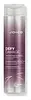 Key Ingredients
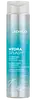
No key ingredients
Benefits
Concerns
Ingredients Side-by-side
Water
Skin ConditioningSodium C14-16 Olefin Sulfonate
Cleansing

Cocamidopropyl Betaine
Cleansing

Sodium Methyl Cocoyl Taurate
Cleansing
Sodium Lauroamphoacetate
CleansingLauryl Glucoside
CleansingDisodium Laureth Sulfosuccinate
CleansingBetaine
Humectant


Phenoxyethanol
Preservative
Sodium Lauryl Sulfoacetate
CleansingDimethicone Propyl Pg-Betaine
Cleansing
Arginine
Masking
Avena Sativa Peptide
Skin Conditioning
Phosphatidylcholine
EmulsifyingMoringa Oleifera Seed Oil
Emollient

Laurdimonium Hydroxypropyl Hydrolyzed Keratin
Skin ConditioningArginine Hcl
Skin ConditioningGlycol Distearate
Emollient
Guar Hydroxypropyltrimonium Chloride
Skin ConditioningIsostearamide Mipa
SurfactantPolyquaternium-47
Skin ConditioningCitric Acid
Buffering

Polyquaternium-7
Laureth-4
Emulsifying
PEG-120 Methyl Glucose Dioleate
Emulsifying
Dimethicone PEG-8 Meadowfoamate
Emollient
PEG-4 Laurate
Emulsifying
Quaternium-80
Methyl Gluceth-10
EmulsifyingMethoxy PEG/PPG-7/3 Aminopropyl Dimethicone
Tetrasodium EDTA
Glyceryl Laurate
Emollient
Tocopherol
Antioxidant




Rosa Canina Fruit Oil
Emollient
Dipropylene Glycol
Humectant

C10-40 Isoalkylamidopropylethyldimonium Ethosulfate

Sodium Hydroxide
BufferingIodopropynyl Butylcarbamate
Preservative
Citronellol
Perfuming
Parfum
Masking
Water, Sodium C14-16 Olefin Sulfonate, Cocamidopropyl Betaine, Sodium Methyl Cocoyl Taurate, Sodium Lauroamphoacetate, Lauryl Glucoside, Disodium Laureth Sulfosuccinate, Betaine, Phenoxyethanol, Sodium Lauryl Sulfoacetate, Dimethicone Propyl Pg-Betaine, Arginine, Avena Sativa Peptide, Phosphatidylcholine, Moringa Oleifera Seed Oil, Laurdimonium Hydroxypropyl Hydrolyzed Keratin, Arginine Hcl, Glycol Distearate, Guar Hydroxypropyltrimonium Chloride, Isostearamide Mipa, Polyquaternium-47, Citric Acid, Polyquaternium-7, Laureth-4, PEG-120 Methyl Glucose Dioleate, Dimethicone PEG-8 Meadowfoamate, PEG-4 Laurate, Quaternium-80, Methyl Gluceth-10, Methoxy PEG/PPG-7/3 Aminopropyl Dimethicone, Tetrasodium EDTA, Glyceryl Laurate, Tocopherol, Rosa Canina Fruit Oil, Dipropylene Glycol, C10-40 Isoalkylamidopropylethyldimonium Ethosulfate, Sodium Hydroxide, Iodopropynyl Butylcarbamate, Citronellol, Parfum
Water
Skin ConditioningSodium Laureth Sulfate
Cleansing
Cocamide Mipa
Emulsifying
Disodium Cocoamphodiacetate
CleansingGlycol Stearate
Emollient
Sodium Chloride
MaskingButyrospermum Parkii Butter
Skin Conditioning
Hydrolyzed Keratin
Humectant
Laurdimonium Hydroxypropyl Hydrolyzed Keratin
Skin ConditioningArginine Hcl
Skin ConditioningPhosphatidylcholine
EmulsifyingRosa Canina Fruit Oil
Emollient
Cocos Nucifera Liquid Endosperm
Hydrolyzed Algin
Maris Aqua
HumectantChlorella Vulgaris Extract
Skin ConditioningSodium Cetearyl Sulfate
Cleansing
Cocamidopropyl Betaine
Cleansing
Guar Hydroxypropyltrimonium Chloride
Skin ConditioningCetyl Alcohol
Emollient
Dimethicone
Emollient
Sodium Citrate
BufferingCitric Acid
Buffering
Polyquaternium-7
Sodium Gluconate
Skin ConditioningSodium Benzoate
Masking
Phenoxyethanol
Preservative
Sodium Hydroxide
BufferingLinalool
Perfuming
Limonene
Perfuming
Parfum
Masking
CI 42090
Cosmetic ColorantCI 60730
Cosmetic ColorantCI 19140
Cosmetic ColorantWater, Sodium Laureth Sulfate, Cocamide Mipa, Disodium Cocoamphodiacetate, Glycol Stearate, Sodium Chloride, Butyrospermum Parkii Butter, Hydrolyzed Keratin, Laurdimonium Hydroxypropyl Hydrolyzed Keratin, Arginine Hcl, Phosphatidylcholine, Rosa Canina Fruit Oil, Cocos Nucifera Liquid Endosperm, Hydrolyzed Algin, Maris Aqua, Chlorella Vulgaris Extract, Sodium Cetearyl Sulfate, Cocamidopropyl Betaine, Guar Hydroxypropyltrimonium Chloride, Cetyl Alcohol, Dimethicone, Sodium Citrate, Citric Acid, Polyquaternium-7, Sodium Gluconate, Sodium Benzoate, Phenoxyethanol, Sodium Hydroxide, Linalool, Limonene, Parfum, CI 42090, CI 60730, CI 19140
Ingredients Explained
These ingredients are found in both products.
Ingredients higher up in an ingredient list are typically present in a larger amount.
We don't have a description for Arginine Hcl yet.
Citric Acid is an alpha hydroxy acid (AHA) naturally found in citrus fruits like oranges, lemons, and limes.
Like other AHAs, citric acid can exfoliate skin by breaking down the bonds that hold dead skin cells together. This helps reveal smoother and brighter skin underneath.
However, this exfoliating effect only happens at high concentrations (20%) which can be hard to find in cosmetic products.
Due to this, citric acid is usually included in small amounts as a pH adjuster. This helps keep products slightly more acidic and compatible with skin's natural pH.
In skincare formulas, citric acid can:
While it can provide some skin benefits, research shows lactic acid and glycolic acid are generally more effective and less irritating exfoliants.
Most citric acid used in skincare today is made by fermenting sugars (usually from molasses). This synthetic version is identical to the natural citrus form but easier to stabilize and use in formulations.
Read more about some other popular AHA's here:
Learn more about Citric AcidCocamidopropyl Betaine is a fatty acid created by mixing similar compounds in coconut oil and dimethylaminopropylamine, a compound with two amino groups.
This ingredient is a surfactant and cleanser. It helps gather the dirt, pollutants, and other impurities in your skin to be washed away. It also helps thicken a product and make the texture more creamy.
Being created from coconut oil means Cocamidopropyl Betaine is hydrating for the skin.
While Cocamidopropyl Betaine was believed to be an allergen, a study from 2012 disproved this. It found two compounds in unpure Cocamidopropyl Betaine to be the irritants: aminoamide and 3-dimethylaminopropylamine. High-grade and pure Cocamidopropyl Betaine did not induce allergic reactions during this study.
Learn more about Cocamidopropyl BetaineThis ingredient is derived from guar gum. It is a skin conditioning agent that creates a thin, breathable film to reduce water loss during cleansing.
This leaves the skin feeling soft rather than stripped and also contributes to a creamier lather.
Due to the large molecule size, this ingredient is unlikely to penetrate skin.
Learn more about Guar Hydroxypropyltrimonium ChlorideWe don't have a description for Laurdimonium Hydroxypropyl Hydrolyzed Keratin yet.
Parfum is a catch-all term for an ingredient or more that is used to give a scent to products.
Also called "fragrance", this ingredient can be a blend of hundreds of chemicals or plant oils. This means every product with "fragrance" or "parfum" in the ingredients list is a different mixture.
For instance, Habanolide is a proprietary trade name for a specific aroma chemical. When used as a fragrance ingredient in cosmetics, most aroma chemicals fall under the broad labeling category of “FRAGRANCE” or “PARFUM” according to EU and US regulations.
The term 'parfum' or 'fragrance' is not regulated in many countries. In many cases, it is up to the brand to define this term.
For instance, many brands choose to label themselves as "fragrance-free" because they are not using synthetic fragrances. However, their products may still contain ingredients such as essential oils that are considered a fragrance by INCI standards.
One example is Calendula flower extract. Calendula is an essential oil that still imparts a scent or 'fragrance'.
Depending on the blend, the ingredients in the mixture can cause allergies and sensitivities on the skin. Some ingredients that are known EU allergens include linalool and citronellol.
Parfum can also be used to mask or cover an unpleasant scent.
The bottom line is: not all fragrances/parfum/ingredients are created equally. If you are worried about fragrances, we recommend taking a closer look at an ingredient. And of course, we always recommend speaking with a professional.
Learn more about ParfumPhenoxyethanol is one of the most widely used preservatives in skincare (and for good reason!).
It has a large spectrum of antimicrobial activity and especially effective bacteria, yeast, and mold while only having a weak effect on your skin's natural microbiome.
On a cellular level, it disrupts the cell membranes of microbes by poking holes that make the cell leak. This shuts down the chemical reactions the microbe needs to make energy so it can no longer survive.
Another perk of this ingredient is that it stays functional across a wide pH range (3-10).
You'll often see it paired with boosters like Ethylhexylglycerin; one study showed that a 1:9 ratio of Ethylhexylglycerin to Phenoxyethanol damages bacterial membranes as effectively as doubling the Phenoxyethanol concentration on its own.
Typical use concentrations range from 0.3-1% depending on the formula, and this ingredient is capped at 1% int the EU.
Safety-wise, the fear mongering does not hold up to the evidence. The EU's Scientific Committee on Consumer Safety and FDA consider it safe as a preservative at up to 1%, including for children of all ages.
Adverse systemic effects only showed up in animal studies at exposures roughly 200x higher than what people get from cosmetics. And despite its very widespread use, this ingredient is a rare sensitizer and allergic reactions are uncommon.
Learn more about PhenoxyethanolPhosphatidylcholine (PC) is a type of phospholipid, a class of molecule that makes up our own cell membranes.
It has a glycerol backbone, two fatty acid tails (mostly linoleic, palmitic, and oleic), and a phosphate-choline head group.
In skincare, PC pulls double duty:
The linoleic acid it carries gets incorporated into skin ceramides and helps reinforce the lipid matrix.
Interestingly, it can help top of the omega-6 fatty acid that's often low in acne-prone and atopic skin. There's a sizeable body of literature that supports its use in dry, barrier-impaired, and breakout-prone skin.
There are two kinds of PC you'll see on ingredient lists.
Use levels range from <1% as a liposomal carrier and between 20-40% in lamellar matrix sytems.
Learn more about PhosphatidylcholinePolyquaternium-7 is a light to clear colored liquid. It is commonly found in haircare products for its film-forming and anti-static properties.
According to a manufacturer, it is a non-paraben and specially developed for negatively charged surfactant systems. This makes it a great hairstyle holder and helps to improve wet hair detangling without adding buildup.
Rosa Canina Fruit Oil is a non-fragrant plant oil that has earned its skincare reputation through chemistry.
It's dominated by fatty acids like linoleic acid (~35-55%), alpha-linolenic acid (~17-27%), and oleic acid (~14-22%). This is the exact profile that supports skin barrier, locks in hydration, and calms inflammation.
A 2024 review found evidence for the Rosa canina species supports its use for scarring, hyperpigmentation, wrinkles, and atopic dermatitis; this was mostly credited to its vitamin C content and fatty acid composition as the primary active mechanisms.
You might see this ingredient marketed as a "natural retinol". Some rosehip seed oils contains traces of all-trans-retinoic acid but these trace amounts are far below biologically active levels.
The Cosmetic Ingredient Review Panel has deemed this ingredient safe and it's well-tolerated.
Fungal acne: The fatty acids of this oil fall into the C11-24 range that Malassezia yeast can metabolize, so this ingredient may not be fungal acne safe.
Learn more about Rosa Canina Fruit OilSodium Hydroxide is also known as lye or caustic soda. It is used to adjust the pH of products; many ingredients require a specific pH to be effective.
In small amounts, sodium hydroxide is considered safe to use. However, large amounts may cause chemical burns due to its high alkaline.
Your skin has a natural pH and acid mantle. This acid mantle helps prevent harmful bacteria from breaking through. The acid mantle also helps keep your skin hydrated.
"Alkaline" refers to a high pH level. A low pH level would be considered acidic.
Learn more about Sodium HydroxideWater. It's the most common cosmetic ingredient of all. You'll usually see it at the top of ingredient lists, meaning that it makes up the largest part of the product.
So why is it so popular? Water most often acts as a solvent - this means that it helps dissolve other ingredients into the formulation.
You'll also recognize water as that liquid we all need to stay alive. If you see this, drink a glass of water. Remember to stay hydrated!
Learn more about Water

