Jess Beauty Sun Drop SPF 50+ Sunscreen Oil Versus Hello Sunday The Matte One - Sebum Control Moisturiser SPF50
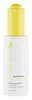
This chemical sunscreen covers most of the UV range, lighter on the deep UVA that drives aging.
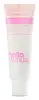
This oil-control moisturizer is formulated around Aluminum Starch Octenylsuccinate and Carnosine to balance excess oil.


What's inside
What's inside
 Key Ingredients
Benefits
Concerns
Ingredients Side-by-side
Butyl Methoxydibenzoylmethane 3%
UV Absorber
Homosalate 10%
Skin Conditioning
Ethylhexyl Salicylate 5%
UV Absorber
Octocrylene 10%
UV Absorber

Adansonia Digitata Oil
Emollient


Aloe Barbadensis Leaf Extract
Emollient


Bis-Vinyldimethicone

Butyloctyl Salicylate
Skin Conditioning
Camellia Sinensis Extract
Antioxidant

Caprylic/Capric Triglyceride
Masking

Cyclopentasiloxane
Emollient
Daucus Carota Sativa Extract
Perfuming
Dimethicone/Bis-Isobutyl PPG-20 Crosspolymer
Emollient
Helianthus Annuus Seed Oil
Emollient
Isododecane
EmollientSqualane
Emollient
Tocopherol
Antioxidant


Butyl Methoxydibenzoylmethane 3%, Homosalate 10%, Ethylhexyl Salicylate 5%, Octocrylene 10%, Adansonia Digitata Oil, Aloe Barbadensis Leaf Extract, Bis-Vinyldimethicone, Butyloctyl Salicylate, Camellia Sinensis Extract, Caprylic/Capric Triglyceride, Cyclopentasiloxane, Daucus Carota Sativa Extract, Dimethicone/Bis-Isobutyl PPG-20 Crosspolymer, Helianthus Annuus Seed Oil, Isododecane, Squalane, Tocopherol
Water
Skin ConditioningC12-15 Alkyl Benzoate
AntimicrobialDiisopropyl Adipate
EmollientBis-Ethylhexyloxyphenol Methoxyphenyl Triazine
UV Absorber
Butyl Methoxydibenzoylmethane
UV Absorber
Propanediol
Solvent
Aluminum Starch Octenylsuccinate
Absorbent
Methylene Bis-Benzotriazolyl Tetramethylbutylphenol
UV Filter
Sodium Polyacrylate
Absorbent
Glycerin
Humectant
C10-18 Triglycerides
Emollient
Diethylhexyl Butamido Triazone
UV Absorber
Phenylbenzimidazole Sulfonic Acid
UV Absorber
Trimethoxybenzylidene Pentanedione
Antioxidant
Silica
Abrasive
Ethylhexyl Triazone
UV Absorber
Glyceryl Stearate
Emollient
PEG-100 Stearate
Surfactant
Sodium Hydroxide
BufferingPotassium Cetyl Phosphate
EmulsifyingDecyl Glucoside
Cleansing
Phenoxyethanol
Preservative
Parfum
Masking
Tocopherol
Antioxidant
Carnosine
Skin Conditioning
Tetrasodium Glutamate Diacetate
ChelatingBoron Nitride
Absorbent
Acrylates/C10-30 Alkyl Acrylate Crosspolymer
Emulsion StabilisingChlorphenesin
Antimicrobial
Caprylic/Capric Triglyceride
Masking
Glyceryl Behenate
Emollient
Cannabis Sativa Seed Oil
Emollient
Lecithin
Emollient
Propylene Glycol
Humectant
Xanthan Gum
EmulsifyingTheobroma Cacao Seed Butter
Emollient

Benzyl Alcohol
Perfuming

Glyceryl Caprylate
EmollientGlyceryl Undecylenate
Emollient
Cannabidiol - Synthetically Produced
Antioxidant
Water, C12-15 Alkyl Benzoate, Diisopropyl Adipate, Bis-Ethylhexyloxyphenol Methoxyphenyl Triazine, Butyl Methoxydibenzoylmethane, Propanediol, Aluminum Starch Octenylsuccinate, Methylene Bis-Benzotriazolyl Tetramethylbutylphenol, Sodium Polyacrylate, Glycerin, C10-18 Triglycerides, Diethylhexyl Butamido Triazone, Phenylbenzimidazole Sulfonic Acid, Trimethoxybenzylidene Pentanedione, Silica, Ethylhexyl Triazone, Glyceryl Stearate, PEG-100 Stearate, Sodium Hydroxide, Potassium Cetyl Phosphate, Decyl Glucoside, Phenoxyethanol, Parfum, Tocopherol, Carnosine, Tetrasodium Glutamate Diacetate, Boron Nitride, Acrylates/C10-30 Alkyl Acrylate Crosspolymer, Chlorphenesin, Caprylic/Capric Triglyceride, Glyceryl Behenate, Cannabis Sativa Seed Oil, Lecithin, Propylene Glycol, Xanthan Gum, Theobroma Cacao Seed Butter, Benzyl Alcohol, Glyceryl Caprylate, Glyceryl Undecylenate, Cannabidiol - Synthetically Produced
Ingredients Explained
These ingredients are found in both products.
Ingredients higher up in an ingredient list are typically present in a larger amount.
Also known as Avobenzone, this ingredient is an oil-soluble used to absorb the full spectrum of UVA rays (peak 357 nm).
It's one of the most effective UVA filters available but has a major caveat of photostability: avobenzone is susceptible to photodegradation.
This means it can lose efficacy when exposed to sunlight without the help of a stabilizing agent.
Studies show antioxidants (like vitamin E or vitamin C) and some UV filters (like octocrylene and Tinosorb S) can meaningfully improve its stability in a formulation.
The maximum allowable concentration according to regulation is 3% in the US + Canada, and 5% in the EU, Australia, China, Korea, and ASEAN countries.
It has a well-support safety profile: a comprehensive 2025 review found minimal toxicity with no evidence of carcinogenicity.
Overall, avobenzone is a safe and regulated ingredient used in sunscreen for over 40 years.
Learn more about Butyl MethoxydibenzoylmethaneCaprylic/Capric Triglyceride (aka MCT Oil) is a lightweight emollient, solvent, and texture enhancer. It is considered a skin-softener by helping to prevent moisture loss.
Though it behaves like an oil, it is not technically one due to its chemical composition. One perk of this ingredient is that it is very stable, resistant to oxidation, and unlikely to go rancid.
In practice, that translates to a long shelf life and a consistently elegant skin feel.
While there is an assumption Caprylic Triglyceride can clog pores due to it being derived from coconut oil, there is no research supporting this. Just patch test if you have concerns.
Fractionated coconut oil and MCT Oil are both listed as Caprylic/Capric Triglyceride according to INCI. This is because INCI names are based on the ingredient’s final chemical composition and not its marketing name or source.
This ingredient is treated as the gold standard fungal acne safe oil. Even though it is coconut derived, the problematic lauric acid is stripped out.
This leaves just caprylic (C8) and capric (C10) acid. These chain lengths actually trend antifungal; a 2020 study found caprylic acid was enough to disrupt Malassezia furfur cell membrane, with a caprylic acid derivative damaging membrane structures at concentrations as low as 0.2%.
Learn more about Caprylic/Capric TriglycerideTocopherol is a fat-soluble antioxidant known as Vitamin E.
You'll find this ingredient in the vast majority of skincare (for good reason). It works to neutralize free radicals, or unstable molecules generated by UV exposure, pollution, and other environmental stressors, before they can cause oxidative damage to your skin cells.
Topically applied tocopherol has been shown to protect against UV damage by ramping up the skin's own natural defense enzymes.
It also acts as a skin conditioning agent; some studies show that regular topical use can improve the skin's water-binding capacity over 2-4 weeks.
This ingredient is especially loved for being a team player. When combined with Vitamin C, the photoprotective effect of both ingredients roughly doubles and the combo also helps reduce UV-induced DNA damage.
This ingredient has some brightening potential but it's more of a prevention ingredient than spot-fader. Cell studies show it can slow down melanin production but it's worth noting that it's not the most powerful brightener out there.
In formulations, it also serves as a stabilizer that helps protect other oxidation-prone ingredients from degrading.
Concentrations usually range from 0.1-1% in most leave-on products.
Learn more about Tocopherol

