iUNIK Beta-Glucan Lacto Barrier Milk Essence Versus Laneige Cream Skin Cerapeptide Toner & Moisturizer
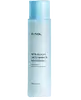
This barrier-repair essence is formulated around Lactobacillus Ferment Lysate and Panthenol to strengthen the skin barrier and hydrate skin.
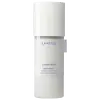
This hydrating toner is formulated around Limnanthes Alba Seed Oil and Ceramide NP to hydrate skin and strengthen the skin barrier.

What's inside
What's inside
 Key Ingredients
Benefits
Concerns
Ingredients Side-by-side
Lactobacillus Ferment Lysate
Skin Conditioning
Water
Skin ConditioningButylene Glycol
Humectant

Glycerin
Humectant
Isopentyldiol
Humectant
1,2-Hexanediol
Skin Conditioning
Limnanthes Alba Seed Oil
Skin Conditioning


Cetearyl Olivate
Sorbitan Olivate
Emulsifying
Glyceryl Glucoside
Humectant
Panthenol
Skin Conditioning
Polyglyceryl-10 Oleate
Skin Conditioning
Hydrogenated Lecithin
Emulsifying
Polyglyceryl-3 Methylglucose Distearate
Emulsifying
Acrylates/C10-30 Alkyl Acrylate Crosspolymer
Emulsion StabilisingArginine
Masking
Ammonium Acryloyldimethyltaurate/Vp Copolymer
Xanthan Gum
EmulsifyingDisodium EDTA
ChelatingBeta-Glucan
Skin Conditioning
Niacinamide
Smoothing







Adenosine
Skin Conditioning
Cynanchum Atratum Extract
Skin ConditioningCentella Asiatica Extract
Cleansing
Portulaca Oleracea Extract
Skin Conditioning
Lecithin
Emollient
Bakuchiol
Antimicrobial

Polyglyceryl-4 Caprate
EmulsifyingCaprylyl Glycol
Emollient
Sodium Phosphate
BufferingAcetyl Hexapeptide-8
Humectant
Copper Tripeptide-1
Skin Conditioning
Tripeptide-1
Skin Conditioning
Palmitoyl Tripeptide-1
Skin Conditioning
Palmitoyl Pentapeptide-4
Skin Conditioning
Hexapeptide-9
Skin Conditioning
Nonapeptide-1
Skin Conditioning
Sh-Oligopeptide-1
Skin Conditioning
Lactobacillus Ferment Lysate, Water, Butylene Glycol, Glycerin, Isopentyldiol, 1,2-Hexanediol, Limnanthes Alba Seed Oil, Cetearyl Olivate, Sorbitan Olivate, Glyceryl Glucoside, Panthenol, Polyglyceryl-10 Oleate, Hydrogenated Lecithin, Polyglyceryl-3 Methylglucose Distearate, Acrylates/C10-30 Alkyl Acrylate Crosspolymer, Arginine, Ammonium Acryloyldimethyltaurate/Vp Copolymer, Xanthan Gum, Disodium EDTA, Beta-Glucan, Niacinamide, Adenosine, Cynanchum Atratum Extract, Centella Asiatica Extract, Portulaca Oleracea Extract, Lecithin, Bakuchiol, Polyglyceryl-4 Caprate, Caprylyl Glycol, Sodium Phosphate, Acetyl Hexapeptide-8, Copper Tripeptide-1, Tripeptide-1, Palmitoyl Tripeptide-1, Palmitoyl Pentapeptide-4, Hexapeptide-9, Nonapeptide-1, Sh-Oligopeptide-1
Water
Skin ConditioningButylene Glycol
Humectant
Glycerin
Humectant
Limnanthes Alba Seed Oil
Skin Conditioning
Isopentyldiol
Humectant
1,2-Hexanediol
Skin Conditioning
Squalane
Emollient
Polyglyceryl-10 Stearate
Skin Conditioning
Glyceryl Stearate Citrate
Emollient
Sodium Stearoyl Glutamate
CleansingInulin Lauryl Carbamate
Emulsion StabilisingGlyceryl Caprylate
EmollientEthylhexylglycerin
Skin ConditioningPropanediol
Solvent
Disodium EDTA
ChelatingCarbomer
Emulsion StabilisingMannitol
Humectant
Acrylates/Stearyl Methacrylate Copolymer
Emulsion StabilisingTremella Fuciformis Sporocarp Extract
Antioxidant
Hyaluronic Acid
Humectant
Camellia Sinensis Leaf Extract
Antimicrobial
Xanthan Gum
EmulsifyingCeramide NP
Skin Conditioning
Camellia Japonica Flower Extract
EmollientTocopherol
Antioxidant
Acetyl Tetrapeptide-11
Skin Conditioning
Water, Butylene Glycol, Glycerin, Limnanthes Alba Seed Oil, Isopentyldiol, 1,2-Hexanediol, Squalane, Polyglyceryl-10 Stearate, Glyceryl Stearate Citrate, Sodium Stearoyl Glutamate, Inulin Lauryl Carbamate, Glyceryl Caprylate, Ethylhexylglycerin, Propanediol, Disodium EDTA, Carbomer, Mannitol, Acrylates/Stearyl Methacrylate Copolymer, Tremella Fuciformis Sporocarp Extract, Hyaluronic Acid, Camellia Sinensis Leaf Extract, Xanthan Gum, Ceramide NP, Camellia Japonica Flower Extract, Tocopherol, Acetyl Tetrapeptide-11
Reviews
Ingredients Explained
These ingredients are found in both products.
Ingredients higher up in an ingredient list are typically present in a larger amount.
1,2-Hexanediol is a synthetic liquid and another multi-functional powerhouse.
It is a:
- Humectant, drawing moisture into the skin
- Emollient, helping to soften skin
- Solvent, dispersing and stabilizing formulas
- Preservative booster, enhancing the antimicrobial activity of other preservatives
Butylene Glycol (or BG) is used within cosmetic products for a few different reasons:
Overall, Butylene Glycol is a safe and well-rounded ingredient that works well with other ingredients.
Though this ingredient works well with most skin types, some people with sensitive skin may experience a reaction such as allergic rashes, closed comedones, or itchiness.
Learn more about Butylene GlycolDisodium EDTA is a chelating agent. It grabs onto and deactivates metal ions that sneak into your products from water, packaging, or air.
This ingredient mainly works behind the scenes and helps with:
On top of that, this ingredient can counteract the effects of hard water by binding to the minerals in it.
One thing worth knowing is that Disodium EDTA has been shown to be a mild penetration enhancer. It can help other ingredients absorb into skin more effectively which can be a double-edged sword (great for actives, but can also make the active too strong if you have sensitive skin).
Clinical patch testing showed no significant skin irritation at typical use concentrations and minimal dermal absorption.
You'll most likely see this ingredient near the end of an ingredient list. It's typically found in concentrations less than 1%.
Learn more about Disodium EDTAGlycerin (or glycerol) is a compound naturally found in your skin. It's a powerhouse humectant that pulls water into the stratum corneum.
Topically, glycerin does several things at once:
Your skin makes glycerin on its own (mostly from sebaceous oil breakdown) and shuttles it to your outermost layer of skin, or your epidermis, via aquaporin-3.
Aquaporin-3 is a transporter that is essential for normal skin hydration, elasticity, and repair. Interestingly, mice lacking in AQP3 have dry and less elastic skin that can be fully corrected with glycerin.
This ingredient is non-irritating, plays well with almost every ingredient, and works across all skin types. Typical use is anywhere between 3-10% but can go up to 79% in some leave-on products.
Just know very high concentrations (>40%) can feel tacky in low humidity.
Glycerin is the name for this ingredient in American English. British English uses Glycerol/Glycerine.
Learn more about GlycerinIsopentyldiol is a synthetic solvent, humectant, and emollient.
Humectants have the ability to attract and hold water while emollients create a thin film to prevent water from evaporating. This combination keeps your skin and hair soft and hydrated. Plus, isopentyldiol does not leave a sticky feeling behind.
As a surfactant, isopentyldiol is a hydrotrope. Hydrotropes help surfactants (cleansing agents) dissolve into water.
According to the manufacturer, using this ingredient with sorbitol boosts skin hydration and helps close cuticles of damaged hair.
This ingredient is water-soluble.
Learn more about IsopentyldiolLimnanthes Alba Seed Oil is from the seeds of the meadowfoam plant. It is a skin conditioning agent and emollient that sits on top of skin to soften and hydrate it.
Over 98% of the oil is made up of long-chain fatty acids, mostly aachidic acid (61%), docosenoic acid (~16%), and docosadienoic acid (~18%).
This combination is not really found in any other plant oil and is the reason this is one of the most stable botanical oils available.
Some studies show it to be more stable than jojoba oil, helps a product resist going rancid, and can help extend the shelf life of a formula.
It also naturally contains vitamin E and phytosterols that give it a mild antioxidant benefit.
This ingredient is typically used from around 1% to fairly high levels since it's gentle; it's well-tolerated and low on the irritation scale.
Learn more about Limnanthes Alba Seed OilWater. It's the most common cosmetic ingredient of all. You'll usually see it at the top of ingredient lists, meaning that it makes up the largest part of the product.
So why is it so popular? Water most often acts as a solvent - this means that it helps dissolve other ingredients into the formulation.
You'll also recognize water as that liquid we all need to stay alive. If you see this, drink a glass of water. Remember to stay hydrated!
Learn more about WaterXanthan gum is used as a stabilizer and thickener within cosmetic products. It helps give products a sticky, thick feeling - preventing them from being too runny.
On the technical side of things, xanthan gum is a polysaccharide - a combination consisting of multiple sugar molecules bonded together.
Xanthan gum is a pretty common and great ingredient. It is a natural, non-toxic, non-irritating ingredient that is also commonly used in food products.
Learn more about Xanthan Gum

