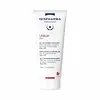
This lactic acid gel cleanser is formulated around Lactic Acid to exfoliate and smooth skin.
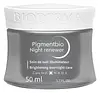
This brightening night moisturizer is formulated around Ascorbyl Glucoside and Niacinamide to fade the look of dark spots and refine skin texture.

What's inside
What's inside
 Key Ingredients
Benefits
Concerns
Ingredients Side-by-side
Water
Skin ConditioningUrea
Buffering



Disodium Laureth Sulfosuccinate
CleansingPEG-18 Glyceryl Oleate/Cocoate
Emulsifying




PEG-7 Glyceryl Cocoate
Emulsifying
Sodium Cocoamphoacetate
CleansingLaureth-2
CleansingLactic Acid
Buffering







Caprylyl Glycol
Emollient
Sodium Benzoate
Masking
Sodium Hydroxide
BufferingDipropylene Glycol
HumectantCitric Acid
Buffering
Potassium Sorbate
Preservative
Glycerin
Humectant
Glyceryl Caprylate
EmollientPseudoalteromonas Ferment Extract
Humectant
Xanthan Gum
EmulsifyingEthylhexylglycerin
Skin ConditioningAlanine
Masking
Proline
Skin Conditioning
Serine
Masking
Sodium Phosphate
BufferingWater, Urea, Disodium Laureth Sulfosuccinate, PEG-18 Glyceryl Oleate/Cocoate, PEG-7 Glyceryl Cocoate, Sodium Cocoamphoacetate, Laureth-2, Lactic Acid, Caprylyl Glycol, Sodium Benzoate, Sodium Hydroxide, Dipropylene Glycol, Citric Acid, Potassium Sorbate, Glycerin, Glyceryl Caprylate, Pseudoalteromonas Ferment Extract, Xanthan Gum, Ethylhexylglycerin, Alanine, Proline, Serine, Sodium Phosphate
Water
Skin ConditioningGlycerin
Humectant
Propanediol
Solvent
Squalane
Emollient
Ascorbyl Glucoside
Antioxidant

Dipropylene Glycol
HumectantNiacinamide
Smoothing


Butylene Glycol
Humectant
Polymethylsilsesquioxane

Hdi/Trimethylol Hexyllactone Crosspolymer
Carbomer
Emulsion StabilisingSodium Hydroxide
BufferingPentylene Glycol
Skin Conditioning
Tocopheryl Acetate
Antioxidant
C14-22 Alcohols
Emulsion Stabilising
1,2-Hexanediol
Skin Conditioning
Caprylyl Glycol
Emollient
Ammonium Acryloyldimethyltaurate/Vp Copolymer
Salicylic Acid
Masking
Sodium Citrate
BufferingLysine
Skin ConditioningAzelaic Acid
Buffering
C12-20 Alkyl Glucoside
EmulsifyingDisodium Phosphate
BufferingMannitol
Humectant
Xylitol
Humectant
Andrographis Paniculata Leaf Extract
AstringentRhamnose
HumectantSodium Metabisulfite
Antioxidant
Potassium Phosphate
BufferingSaccharide Isomerate
Humectant
Biosaccharide Gum-1
Humectant
Glycyrrhiza Glabra Root Extract
Bleaching
Glyceryl Caprylate
EmollientSodium Anisate
AntimicrobialSodium Levulinate
Skin ConditioningFructooligosaccharides
Humectant
Caprylic/Capric Triglyceride
Masking
Hexapeptide-2
Bleaching
Laminaria Ochroleuca Extract
Skin Conditioning
Parfum
Masking

Water, Glycerin, Propanediol, Squalane, Ascorbyl Glucoside, Dipropylene Glycol, Niacinamide, Butylene Glycol, Polymethylsilsesquioxane, Hdi/Trimethylol Hexyllactone Crosspolymer, Carbomer, Sodium Hydroxide, Pentylene Glycol, Tocopheryl Acetate, C14-22 Alcohols, 1,2-Hexanediol, Caprylyl Glycol, Ammonium Acryloyldimethyltaurate/Vp Copolymer, Salicylic Acid, Sodium Citrate, Lysine, Azelaic Acid, C12-20 Alkyl Glucoside, Disodium Phosphate, Mannitol, Xylitol, Andrographis Paniculata Leaf Extract, Rhamnose, Sodium Metabisulfite, Potassium Phosphate, Saccharide Isomerate, Biosaccharide Gum-1, Glycyrrhiza Glabra Root Extract, Glyceryl Caprylate, Sodium Anisate, Sodium Levulinate, Fructooligosaccharides, Caprylic/Capric Triglyceride, Hexapeptide-2, Laminaria Ochroleuca Extract, Parfum
Reviews
Ingredients Explained
These ingredients are found in both products.
Ingredients higher up in an ingredient list are typically present in a larger amount.
Caprylyl Glycol is a humectant, skin conditioner, emollient, and preservative booster derived from either caprylic acid or synthetically created.
Typical use levels vary from 0.3-1% as a preservative booster and go up to 2% to condition skin.
Because it is not a free-fatty acid, this ingredient is fungal acne safe (there's nothing for Malassezia to feed on).
Learn more about Caprylyl GlycolDipropylene Glycol is a synthetically created humectant, stabilizer, and solvent.
This ingredient helps:
Dipropylene glycol is technically an alcohol, but it belongs to the glycol family (often considered part of the ‘good’ alcohols). This means it is hydrating and gentle on skin unlike drying solvent alcohols like denatured alcohol.
As a masking agent, Dipropylene Glycol can be used to cover the smell of other ingredients. However, it does not have a scent.
Studies show Dipropylene Glycol is considered safe to use in skincare.
Learn more about Dipropylene GlycolGlycerin (or glycerol) is a compound naturally found in your skin. It's a powerhouse humectant that pulls water into the stratum corneum.
Topically, glycerin does several things at once:
Your skin makes glycerin on its own (mostly from sebaceous oil breakdown) and shuttles it to your outermost layer of skin, or your epidermis, via aquaporin-3.
Aquaporin-3 is a transporter that is essential for normal skin hydration, elasticity, and repair. Interestingly, mice lacking in AQP3 have dry and less elastic skin that can be fully corrected with glycerin.
This ingredient is non-irritating, plays well with almost every ingredient, and works across all skin types. Typical use is anywhere between 3-10% but can go up to 79% in some leave-on products.
Just know very high concentrations (>40%) can feel tacky in low humidity.
Glycerin is the name for this ingredient in American English. British English uses Glycerol/Glycerine.
Learn more about GlycerinGlyceryl Caprylate comes from glycerin and caprylic acid. It is an emollient, co-emulsifier, and preservative booster.
Its short C8 fatty acid chain makes it behave differently from its longer-chain emollient cousins like Glyceryl Stearate. It feels more lightweight, fast-absorbing, and silky instead of rich and waxy.
As a co-emulsifier, its "head" and "tail" sit at the oil-water interface. But overall, the short C8 tail and not being water soluble means it doesn't really have the muscle to emulsify a formula on its own. That's why you'll often see it paired with a primary emulsifier like Cetearyl Glucoside.
Interestingly, Glyceryl Caprylate acts as a preservative booster. This is because its fatty-acid backbone disrupts microbial lipid membranes. It shows excellent activity against bacteria and yeast but is weaker against mold.
Typical concentrations range from 0.5-1% and this ingredient is generally non-irritating.
Because this ingredient has a C8 fatty acid chain, it is outside the range that the Malassezia yeast metabolizes (making it fungal acne safe).
Learn more about Glyceryl CaprylateSodium Hydroxide is also known as lye or caustic soda. It is used to adjust the pH of products; many ingredients require a specific pH to be effective.
In small amounts, sodium hydroxide is considered safe to use. However, large amounts may cause chemical burns due to its high alkaline.
Your skin has a natural pH and acid mantle. This acid mantle helps prevent harmful bacteria from breaking through. The acid mantle also helps keep your skin hydrated.
"Alkaline" refers to a high pH level. A low pH level would be considered acidic.
Learn more about Sodium HydroxideWater. It's the most common cosmetic ingredient of all. You'll usually see it at the top of ingredient lists, meaning that it makes up the largest part of the product.
So why is it so popular? Water most often acts as a solvent - this means that it helps dissolve other ingredients into the formulation.
You'll also recognize water as that liquid we all need to stay alive. If you see this, drink a glass of water. Remember to stay hydrated!
Learn more about Water

