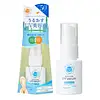
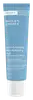
Ishizawa Labs Shigaisen Yohou Moisturizing UV Serum SPF 50+ Versus Paula's Choice Resist Youth-Extending Daily Hydrating Fluid SPF 50
This chemical sunscreen covers most of the UV range, lighter on the deep UVA that drives aging.
This hybrid sunscreen covers the full UV range and blocks ~98% of UVB at SPF 50.


What's inside
What's inside
 Key Ingredients
Benefits
Concerns
Ingredients Side-by-side
Water
Skin ConditioningEthylhexyl Methoxycinnamate
UV Absorber


Butylene Glycol
Humectant

Diethylamino Hydroxybenzoyl Hexyl Benzoate
UV Filter
Pentylene Glycol
Skin Conditioning
3-O-Ethyl Ascorbic Acid
Skin Conditioning





Ceramide AP
Skin Conditioning


Ceramide Ns
Skin Conditioning
Ceramide NP
Skin Conditioning
Alpha-Arbutin
Antioxidant


Citrus Grandis Fruit Extract
Astringent
Salvia Officinalis Extract
Antimicrobial
Sodium Acetylated Hyaluronate
Humectant
Scutellaria Baicalensis Root Extract
Astringent
Morus Alba Bark Extract
Skin ConditioningChamomilla Recutita Flower Extract
Masking
Malpighia Emarginata Fruit Extract
Skin ConditioningHydrolyzed Collagen
Emollient
Aloe Barbadensis Leaf Extract
Emollient
Citrus Aurantium Dulcis Peel Oil
Masking

Caprylic/Capric Triglyceride
Masking
Acrylates/C10-30 Alkyl Acrylate Crosspolymer
Emulsion StabilisingHydrogenated Poly(C6-20 Olefin)
Abrasive
Sodium Hydroxide
BufferingTocopherol
Antioxidant
Disodium EDTA
Hdi/Trimethylol Hexyllactone Crosspolymer
Phenoxyethanol
Preservative
Water, Ethylhexyl Methoxycinnamate, Butylene Glycol, Diethylamino Hydroxybenzoyl Hexyl Benzoate, Pentylene Glycol, 3-O-Ethyl Ascorbic Acid, Ceramide AP, Ceramide Ns, Ceramide NP, Alpha-Arbutin, Citrus Grandis Fruit Extract, Salvia Officinalis Extract, Sodium Acetylated Hyaluronate, Scutellaria Baicalensis Root Extract, Morus Alba Bark Extract, Chamomilla Recutita Flower Extract, Malpighia Emarginata Fruit Extract, Hydrolyzed Collagen, Aloe Barbadensis Leaf Extract, Citrus Aurantium Dulcis Peel Oil, Caprylic/Capric Triglyceride, Acrylates/C10-30 Alkyl Acrylate Crosspolymer, Hydrogenated Poly(C6-20 Olefin), Sodium Hydroxide, Tocopherol, Disodium EDTA, Hdi/Trimethylol Hexyllactone Crosspolymer, Phenoxyethanol
Butyl Methoxydibenzoylmethane 2%
UV Absorber
Ethylhexyl Methoxycinnamate 7.5%
UV Absorber
Ethylhexyl Salicylate 5%
UV Absorber
Octocrylene 2%
UV Absorber
Water
Skin ConditioningGlycerin
Humectant
Silica
Abrasive
Dimethicone
Emollient
Tocopherol
Antioxidant
Chamomilla Recutita Flower Extract
Masking
Vitis Vinifera Seed Extract
Antimicrobial
Camellia Sinensis Leaf Extract
Antimicrobial
Camellia Oleifera Leaf Extract
AstringentPeucedanum Graveolens Extract
TonicSambucus Nigra Fruit Extract
AstringentAvena Sativa Bran Extract
Abrasive
Punica Granatum Extract
AstringentLycium Barbarum Fruit Extract
Astringent
Hydrogenated Lecithin
Emulsifying
Titanium Dioxide
Cosmetic Colorant
Dimethicone/Vinyl Dimethicone Crosspolymer
Skin Conditioning
Diethylhexyl Syringylidenemalonate
Skin Protecting
Hydroxyethyl Acrylate/Sodium Acryloyldimethyl Taurate Copolymer
Emulsion StabilisingXanthan Gum
EmulsifyingSodium Carbomer
Emulsion StabilisingBenzyl Alcohol
Perfuming

Sodium Benzoate
Masking
Potassium Sorbate
Preservative
Phenoxyethanol
Preservative
Butyl Methoxydibenzoylmethane 2%, Ethylhexyl Methoxycinnamate 7.5%, Ethylhexyl Salicylate 5%, Octocrylene 2%, Water, Glycerin, Silica, Dimethicone, Tocopherol, Chamomilla Recutita Flower Extract, Vitis Vinifera Seed Extract, Camellia Sinensis Leaf Extract, Camellia Oleifera Leaf Extract, Peucedanum Graveolens Extract, Sambucus Nigra Fruit Extract, Avena Sativa Bran Extract, Punica Granatum Extract, Lycium Barbarum Fruit Extract, Hydrogenated Lecithin, Titanium Dioxide, Dimethicone/Vinyl Dimethicone Crosspolymer, Diethylhexyl Syringylidenemalonate, Hydroxyethyl Acrylate/Sodium Acryloyldimethyl Taurate Copolymer, Xanthan Gum, Sodium Carbomer, Benzyl Alcohol, Sodium Benzoate, Potassium Sorbate, Phenoxyethanol
Reviews
Ingredients Explained
These ingredients are found in both products.
Ingredients higher up in an ingredient list are typically present in a larger amount.
Chamomilla Recutita Flower Extract comes from the Chamomile flower.
Chamomile is rich in antioxidants and has anti-inflammatory properties. Several compounds found in chamomile help with soothing, such as bisbolol.
Antioxidant components in chamomile make it an effective ingredient to help slow the signs of aging. Antioxidants help fight free-radical molecules, or molecules that may damage your skin.
Essential oils from chamomile have been found to improve wound healing due to its antimicrobial properties.
Ancient Greeks and Egyptians used Chamomile to treat skin redness and dryness. Chamomile has also been used to help treat stomach issues.
Learn more about Chamomilla Recutita Flower ExtractThis ingredient is also known as Octinoxate and is one of the oldest and most widely used chemical UV filters in skincare.
It has a simple job: soap up UVB radiation (290-320 nm), the wavelengths responsible for sunburn and a big chunk of long-term sun damage.
In formulas, it's always paired with a separate UVA filter because octinoxate solely protects skin from UVB.
Because it's an oil-soluble liquid, it's easy to blend into the oil phase of lotions/creams and gives a cosmetically elegant feel.
The one quirk about formulating this ingredient is photostability; the molecule slowly changes shape into a less effective version when sunlight hits it. So the longer you're in the sun, the weaker its protection gets. The drop can be more than 30% in some formulas.
It also doesn't play nice with Avobenzone (the common UVA filter) since avobenzone destabilizes octinoxate and the two degrade each other. But don't worry: brands have solved this issue by adding photostabilizers like Tinosorb S to prevent degradation and keep SPF stable under heavy UV exposure.
The maximum allowed level is 10% in the EU and Australia, 7.5% in the US and Canada, and 20% in Japan.
The Cosmetic Ingredient Review Panel has concluded this ingredient to be safe in cosmetics up to 10%.
One last thing worth knowing for context:
Octinoxate has been the subject of ongoing review in Europe where the Scientific Committee on Consumer Safety's (SCCS) 2025 final opinion is that this ingredient is an endocrine-active substance.
Lab and animal studies suggest it can act a bit like a hormone in the body (mildly mimicking estrogen and slightly blocking male hormones). It's important to know this hasn't really been shown to happen in everyday human use.
This ingredient is also banned in Hawaii over coral reef concerns.
Learn more about Ethylhexyl MethoxycinnamatePhenoxyethanol is one of the most widely used preservatives in skincare (and for good reason!).
It has a large spectrum of antimicrobial activity and especially effective bacteria, yeast, and mold while only having a weak effect on your skin's natural microbiome.
On a cellular level, it disrupts the cell membranes of microbes by poking holes that make the cell leak. This shuts down the chemical reactions the microbe needs to make energy so it can no longer survive.
Another perk of this ingredient is that it stays functional across a wide pH range (3-10).
You'll often see it paired with boosters like Ethylhexylglycerin; one study showed that a 1:9 ratio of Ethylhexylglycerin to Phenoxyethanol damages bacterial membranes as effectively as doubling the Phenoxyethanol concentration on its own.
Typical use concentrations range from 0.3-1% depending on the formula, and this ingredient is capped at 1% int the EU.
Safety-wise, the fear mongering does not hold up to the evidence. The EU's Scientific Committee on Consumer Safety and FDA consider it safe as a preservative at up to 1%, including for children of all ages.
Adverse systemic effects only showed up in animal studies at exposures roughly 200x higher than what people get from cosmetics. And despite its very widespread use, this ingredient is a rare sensitizer and allergic reactions are uncommon.
Learn more about PhenoxyethanolTocopherol is a fat-soluble antioxidant known as Vitamin E.
You'll find this ingredient in the vast majority of skincare (for good reason). It works to neutralize free radicals, or unstable molecules generated by UV exposure, pollution, and other environmental stressors, before they can cause oxidative damage to your skin cells.
Topically applied tocopherol has been shown to protect against UV damage by ramping up the skin's own natural defense enzymes.
It also acts as a skin conditioning agent; some studies show that regular topical use can improve the skin's water-binding capacity over 2-4 weeks.
This ingredient is especially loved for being a team player. When combined with Vitamin C, the photoprotective effect of both ingredients roughly doubles and the combo also helps reduce UV-induced DNA damage.
This ingredient has some brightening potential but it's more of a prevention ingredient than spot-fader. Cell studies show it can slow down melanin production but it's worth noting that it's not the most powerful brightener out there.
In formulations, it also serves as a stabilizer that helps protect other oxidation-prone ingredients from degrading.
Concentrations usually range from 0.1-1% in most leave-on products.
Learn more about TocopherolWater. It's the most common cosmetic ingredient of all. You'll usually see it at the top of ingredient lists, meaning that it makes up the largest part of the product.
So why is it so popular? Water most often acts as a solvent - this means that it helps dissolve other ingredients into the formulation.
You'll also recognize water as that liquid we all need to stay alive. If you see this, drink a glass of water. Remember to stay hydrated!
Learn more about Water

