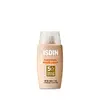
This chemical sunscreen covers the full UV range and blocks ~98% of UVB at SPF 50.
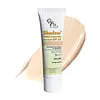
This hybrid sunscreen covers the full UV range and blocks ~98% of UVB at SPF 50.


What's inside
What's inside
 Key Ingredients
Benefits
Concerns
Ingredients Side-by-side
Water
Skin ConditioningDimethicone
Emollient

Dibutyl Adipate
EmollientEthylhexyl Salicylate
UV Absorber

Ethylhexyl Triazone
UV Absorber
Bis-Ethylhexyloxyphenol Methoxyphenyl Triazine
UV Absorber
CI 77891
Cosmetic ColorantButyl Methoxydibenzoylmethane
UV Absorber
Phenylbenzimidazole Sulfonic Acid
UV Absorber
Propanediol
Solvent

Arginine
Masking
Pentylene Glycol
Skin Conditioning
Glyceryl Oleate
Emollient



Glycerin
Humectant
Calcium Sodium Borosilicate
Hydroxyacetophenone
Antioxidant
Dimethicone/Vinyl Dimethicone Crosspolymer
Skin Conditioning
CI 77492
Cosmetic ColorantParfum
Masking

Caprylyl Glycol
Emollient
Hydrated Silica
Abrasive
Tocopheryl Acetate
Antioxidant

Polysorbate 60
Emulsifying
PEG-10 Dimethicone
Skin Conditioning
Aluminum Hydroxide
EmollientTetrasodium Glutamate Diacetate
ChelatingSclerotium Gum
Emulsion StabilisingSodium Hyaluronate
Humectant


CI 77491
Cosmetic ColorantPorphyridium Cruentum Extract
Skin ConditioningXanthan Gum
EmulsifyingCI 77499
Cosmetic ColorantSodium Lauroyl Glutamate
SurfactantLysine
Skin ConditioningMagnesium Chloride
Sodium Hydroxide
BufferingWater, Dimethicone, Dibutyl Adipate, Ethylhexyl Salicylate, Ethylhexyl Triazone, Bis-Ethylhexyloxyphenol Methoxyphenyl Triazine, CI 77891, Butyl Methoxydibenzoylmethane, Phenylbenzimidazole Sulfonic Acid, Propanediol, Arginine, Pentylene Glycol, Glyceryl Oleate, Glycerin, Calcium Sodium Borosilicate, Hydroxyacetophenone, Dimethicone/Vinyl Dimethicone Crosspolymer, CI 77492, Parfum, Caprylyl Glycol, Hydrated Silica, Tocopheryl Acetate, Polysorbate 60, PEG-10 Dimethicone, Aluminum Hydroxide, Tetrasodium Glutamate Diacetate, Sclerotium Gum, Sodium Hyaluronate, CI 77491, Porphyridium Cruentum Extract, Xanthan Gum, CI 77499, Sodium Lauroyl Glutamate, Lysine, Magnesium Chloride, Sodium Hydroxide
Octocrylene
UV Absorber
Water
Skin ConditioningSorbitol
Humectant
Butyl Methoxydibenzoylmethane
UV Absorber
Silica
Abrasive

Pvp
Emulsion StabilisingPhenoxyethanol
Preservative
Chlorphenesin
Antimicrobial
Disodium EDTA
ChelatingTalc
Abrasive
Titanium Dioxide
Cosmetic Colorant
CI 77499
Cosmetic ColorantCI 77491
Cosmetic ColorantCI 77492
Cosmetic ColorantCetearyl Alcohol
Emollient


Ceteareth-20
Cleansing
Dicaprylyl Carbonate
EmollientTocopheryl Acetate
Antioxidant
Butylene Glycol Cocoate
Emulsifying
Ethylhexylglycerin
Skin ConditioningPanthenol
Skin Conditioning
Parfum
Masking
Diethylhexyl Syringylidenemalonate
Skin Protecting
Caprylic/Capric Triglyceride
Masking
Octocrylene, Water, Sorbitol, Butyl Methoxydibenzoylmethane, Silica, Pvp, Phenoxyethanol, Chlorphenesin, Disodium EDTA, Talc, Titanium Dioxide, CI 77499, CI 77491, CI 77492, Cetearyl Alcohol, Ceteareth-20, Dicaprylyl Carbonate, Tocopheryl Acetate, Butylene Glycol Cocoate, Ethylhexylglycerin, Panthenol, Parfum, Diethylhexyl Syringylidenemalonate, Caprylic/Capric Triglyceride
Ingredients Explained
These ingredients are found in both products.
Ingredients higher up in an ingredient list are typically present in a larger amount.
Also known as Avobenzone, this ingredient is an oil-soluble used to absorb the full spectrum of UVA rays (peak 357 nm).
It's one of the most effective UVA filters available but has a major caveat of photostability: avobenzone is susceptible to photodegradation.
This means it can lose efficacy when exposed to sunlight without the help of a stabilizing agent.
Studies show antioxidants (like vitamin E or vitamin C) and some UV filters (like octocrylene and Tinosorb S) can meaningfully improve its stability in a formulation.
The maximum allowable concentration according to regulation is 3% in the US + Canada, and 5% in the EU, Australia, China, Korea, and ASEAN countries.
It has a well-support safety profile: a comprehensive 2025 review found minimal toxicity with no evidence of carcinogenicity.
Overall, avobenzone is a safe and regulated ingredient used in sunscreen for over 40 years.
Learn more about Butyl MethoxydibenzoylmethaneCi 77491 is also hydrated iron III oxide. It's sole purpose is to give a red/pink hue to products.
Iron III oxides are classified as inorganic chemicals for coloring.
Synthetically created Ci 77491 is considered safer than those naturally found. This is because the synthetically created version may contain less impurities. Iron oxides are generally non-toxic and non-allergenic.
Learn more about CI 77491CI 77492 is also hydrated iron III oxide. It's sole purpose is to give a yellow hue to products.
Iron III oxides are classified as inorganic chemicals for coloring.
Synthetically created CI 77492 is considered safer than those naturally found. This is because the synthetically created version may contain less impurities. Iron oxides are generally non-toxic and non-allergenic.
Learn more about CI 77492Ci 77499 is also hydrated iron III oxide. It is created from mixing red and black iron oxides. This helps give shades of darkness to a product.
Iron III oxides are classified as inorganic chemicals for coloring.
Parfum is a catch-all term for an ingredient or more that is used to give a scent to products.
Also called "fragrance", this ingredient can be a blend of hundreds of chemicals or plant oils. This means every product with "fragrance" or "parfum" in the ingredients list is a different mixture.
For instance, Habanolide is a proprietary trade name for a specific aroma chemical. When used as a fragrance ingredient in cosmetics, most aroma chemicals fall under the broad labeling category of “FRAGRANCE” or “PARFUM” according to EU and US regulations.
The term 'parfum' or 'fragrance' is not regulated in many countries. In many cases, it is up to the brand to define this term.
For instance, many brands choose to label themselves as "fragrance-free" because they are not using synthetic fragrances. However, their products may still contain ingredients such as essential oils that are considered a fragrance by INCI standards.
One example is Calendula flower extract. Calendula is an essential oil that still imparts a scent or 'fragrance'.
Depending on the blend, the ingredients in the mixture can cause allergies and sensitivities on the skin. Some ingredients that are known EU allergens include linalool and citronellol.
Parfum can also be used to mask or cover an unpleasant scent.
The bottom line is: not all fragrances/parfum/ingredients are created equally. If you are worried about fragrances, we recommend taking a closer look at an ingredient. And of course, we always recommend speaking with a professional.
Learn more about ParfumTocopheryl Acetate is a stable, shelf-friendly form of vitamin E.
Formulators love it because plain vitamin E oxidizes quickly once it hits air. This acetate version stays stable and resists going off, helping to extend a product's shelf life.
It's actually inactive on its own and works like a slow-release "storage" form; the enzymes in your skin called esterases gradually convert it into active vitamin E over time.
One in vivo study showed 5% of the acetate in the living layer of the epidermis converted to vitamin E after 5 days of application. This study also found the skin gained protection against UV damage even though the conversion was slow and small.
Once converted, vitamin E acts as a skin's main fat-soluble antioxidant that fights free radicals to protect skin from damage.
Topical vitamin E generally boosts the skin's photoprotection, and it reduced UV-damage in animal models.
This ingredient has some brightening potential but it's more of a prevention ingredient than spot-fader. Cell studies show it can slow down melanin production but it's worth noting that it's not the most powerful brightener out there.
Overall, it has a pretty solid safety profile and has been found to be non-irritating and non-comedogenic. Allergic reactions may happen but stay rare due to how widely the ingredient gets used.
The concentration will vary depending on the formula; industry data shows 0.1% in baby lotions, 3% in lipsticks, and 5% in foot powders. You can also find this ingredient at 100% in a pure vitamin E oil.
Most leave-on skincare keeps it at the lower end, often between 0.5-1%.
Learn more about Tocopheryl AcetateWater. It's the most common cosmetic ingredient of all. You'll usually see it at the top of ingredient lists, meaning that it makes up the largest part of the product.
So why is it so popular? Water most often acts as a solvent - this means that it helps dissolve other ingredients into the formulation.
You'll also recognize water as that liquid we all need to stay alive. If you see this, drink a glass of water. Remember to stay hydrated!
Learn more about Water

