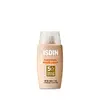
This chemical sunscreen covers the full UV range and blocks ~98% of UVB at SPF 50.
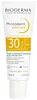
This chemical sunscreen covers the full UV range and blocks ~97% of UVB at SPF 30.


What's inside
What's inside
 Key Ingredients
Benefits
Concerns
Ingredients Side-by-side
Water
Skin ConditioningDimethicone
Emollient

Dibutyl Adipate
EmollientEthylhexyl Salicylate
UV Absorber

Ethylhexyl Triazone
UV Absorber
Bis-Ethylhexyloxyphenol Methoxyphenyl Triazine
UV Absorber
CI 77891
Cosmetic ColorantButyl Methoxydibenzoylmethane
UV Absorber
Phenylbenzimidazole Sulfonic Acid
UV Absorber
Propanediol
Solvent

Arginine
Masking
Pentylene Glycol
Skin Conditioning
Glyceryl Oleate
Emollient



Glycerin
Humectant
Calcium Sodium Borosilicate
Hydroxyacetophenone
Antioxidant
Dimethicone/Vinyl Dimethicone Crosspolymer
Skin Conditioning
CI 77492
Cosmetic ColorantParfum
Masking

Caprylyl Glycol
Emollient
Hydrated Silica
Abrasive
Tocopheryl Acetate
Antioxidant

Polysorbate 60
Emulsifying
PEG-10 Dimethicone
Skin Conditioning
Aluminum Hydroxide
EmollientTetrasodium Glutamate Diacetate
ChelatingSclerotium Gum
Emulsion StabilisingSodium Hyaluronate
Humectant


CI 77491
Cosmetic ColorantPorphyridium Cruentum Extract
Skin ConditioningXanthan Gum
EmulsifyingCI 77499
Cosmetic ColorantSodium Lauroyl Glutamate
SurfactantLysine
Skin ConditioningMagnesium Chloride
Sodium Hydroxide
BufferingWater, Dimethicone, Dibutyl Adipate, Ethylhexyl Salicylate, Ethylhexyl Triazone, Bis-Ethylhexyloxyphenol Methoxyphenyl Triazine, CI 77891, Butyl Methoxydibenzoylmethane, Phenylbenzimidazole Sulfonic Acid, Propanediol, Arginine, Pentylene Glycol, Glyceryl Oleate, Glycerin, Calcium Sodium Borosilicate, Hydroxyacetophenone, Dimethicone/Vinyl Dimethicone Crosspolymer, CI 77492, Parfum, Caprylyl Glycol, Hydrated Silica, Tocopheryl Acetate, Polysorbate 60, PEG-10 Dimethicone, Aluminum Hydroxide, Tetrasodium Glutamate Diacetate, Sclerotium Gum, Sodium Hyaluronate, CI 77491, Porphyridium Cruentum Extract, Xanthan Gum, CI 77499, Sodium Lauroyl Glutamate, Lysine, Magnesium Chloride, Sodium Hydroxide
Water
Skin ConditioningC12-15 Alkyl Benzoate
AntimicrobialMethylene Bis-Benzotriazolyl Tetramethylbutylphenol
UV Filter
Corn Starch Modified
AbsorbentDiethylamino Hydroxybenzoyl Hexyl Benzoate
UV Filter
Ethylhexyl Triazone
UV Absorber
Potassium Cetyl Phosphate
EmulsifyingBrassica Campestris/Aleurites Fordi Oil Copolymer
Skin Conditioning
Hydroxyethyl Acrylate/Sodium Acryloyldimethyl Taurate Copolymer
Emulsion Stabilising1,2-Hexanediol
Skin Conditioning
Bis-Ethylhexyloxyphenol Methoxyphenyl Triazine
UV Absorber
Silica
Abrasive

Decyl Glucoside
Cleansing
Glycolic Acid
Buffering



Boron Nitride
Absorbent
Salicylic Acid
Masking


Tocopheryl Acetate
Antioxidant
Propylene Glycol
Humectant
Xanthan Gum
EmulsifyingSodium Hydroxide
BufferingPolysorbate 60
Emulsifying
Sorbitan Isostearate
Emulsifying
Ectoin
Skin Conditioning

Mannitol
Humectant
Xylitol
Humectant
Rhamnose
HumectantGinkgo Biloba Leaf Extract
Skin Conditioning
Fructooligosaccharides
Humectant
Propyl Gallate
Antioxidant
Caprylic/Capric Triglyceride
Masking
Tocopherol
Antioxidant
Laminaria Ochroleuca Extract
Skin Conditioning
Parfum
Masking
Water, C12-15 Alkyl Benzoate, Methylene Bis-Benzotriazolyl Tetramethylbutylphenol, Corn Starch Modified, Diethylamino Hydroxybenzoyl Hexyl Benzoate, Ethylhexyl Triazone, Potassium Cetyl Phosphate, Brassica Campestris/Aleurites Fordi Oil Copolymer, Hydroxyethyl Acrylate/Sodium Acryloyldimethyl Taurate Copolymer, 1,2-Hexanediol, Bis-Ethylhexyloxyphenol Methoxyphenyl Triazine, Silica, Decyl Glucoside, Glycolic Acid, Boron Nitride, Salicylic Acid, Tocopheryl Acetate, Propylene Glycol, Xanthan Gum, Sodium Hydroxide, Polysorbate 60, Sorbitan Isostearate, Ectoin, Mannitol, Xylitol, Rhamnose, Ginkgo Biloba Leaf Extract, Fructooligosaccharides, Propyl Gallate, Caprylic/Capric Triglyceride, Tocopherol, Laminaria Ochroleuca Extract, Parfum
Reviews
Ingredients Explained
These ingredients are found in both products.
Ingredients higher up in an ingredient list are typically present in a larger amount.
This ingredient is better known as bemotrizinol or Tinosorb S and is one of the best broad-spectrum UV filters in modern sunscreen.
It works by absorbing UV light across a whole range (280-400 nm) with peaks around 310 nm (UVB) and 340-345 nm (UVA). This means it covers UVB plus the deeper UVA wavelengths that drive photoaging and pigmentation.
Another pro?
It's exceptionally photostable, barely degrades in sunlight, and acts as a "bodyguard" for less stable filters.
That's why you'll see it paired with avobenzone or octinoxate; this team up ensures they keep working through sun exposure.
Safety reviews have been reassuring across the board. This ingredient shows low absorption through the skin, rarely irritates, and lab studies found it doesn't act like a hormone in the body (a concern that's been raised about some older sunscreen filters).
On maximum concentrations:
In 2026, the US F.D.A finally added it as an OTC sunscreen ingredient at concentrations up to 6% for adults / children 6 months and older
Learn more about Bis-Ethylhexyloxyphenol Methoxyphenyl TriazineEthylhexyl Triazone (aka Octyl Triazone) is an oil-soluble organic UVB filter. It has peak absorption around 314 nm, right in the middle of the UVB range.
This ingredient is described as one of the most effective UVB filters available and small concentrations are enough to deliver a high SPF thanks to its strong UV absorbing power.
Formulators love it for its stability; its ability to filter UV stays practically unchanged even under intense radiation and it can also help boost the photostability of less stable filters like avobenzone.
It's also a great pick for water resistant products because it's insoluble in water and has a good affinity for keratin.
Because it's a big, heavy molecule, the European Scientific Committee has found to to have very low dermal penetration and negative results for allergenicity.
In vitro testing also showed a low absorption rate and clean results on irritation.
Typical use levels are 1-5% with 5% being the maximum in the EU, Japan, and other markets that allow it. However, this ingredient is not approved yet in the US or Canada.
Learn more about Ethylhexyl TriazoneParfum is a catch-all term for an ingredient or more that is used to give a scent to products.
Also called "fragrance", this ingredient can be a blend of hundreds of chemicals or plant oils. This means every product with "fragrance" or "parfum" in the ingredients list is a different mixture.
For instance, Habanolide is a proprietary trade name for a specific aroma chemical. When used as a fragrance ingredient in cosmetics, most aroma chemicals fall under the broad labeling category of “FRAGRANCE” or “PARFUM” according to EU and US regulations.
The term 'parfum' or 'fragrance' is not regulated in many countries. In many cases, it is up to the brand to define this term.
For instance, many brands choose to label themselves as "fragrance-free" because they are not using synthetic fragrances. However, their products may still contain ingredients such as essential oils that are considered a fragrance by INCI standards.
One example is Calendula flower extract. Calendula is an essential oil that still imparts a scent or 'fragrance'.
Depending on the blend, the ingredients in the mixture can cause allergies and sensitivities on the skin. Some ingredients that are known EU allergens include linalool and citronellol.
Parfum can also be used to mask or cover an unpleasant scent.
The bottom line is: not all fragrances/parfum/ingredients are created equally. If you are worried about fragrances, we recommend taking a closer look at an ingredient. And of course, we always recommend speaking with a professional.
Learn more about ParfumPolysorbate 60 is used to help stabilize products. It is a surfactant and emulsifier. These properties help keep ingredients together in a product. Surfactants help reduce surface tension between ingredients with different states, such as liquids and solids. Emulsifiers help prevent oils and waters from separating.
Polysorbate 60 is sorbitol-based and created from the ethoxylation of sorbitan. Ethoxylation is a chemical reaction used to add ethylene oxide. Sorbitan is a the dehydrated version of sorbitol, a sugar found in fruits.
In this case, the 60 comes from reacting 60 units of ethylene oxide with sorbitan.
Polysorbates are commonly used in medicine and foods.
Learn more about Polysorbate 60Sodium Hydroxide is also known as lye or caustic soda. It is used to adjust the pH of products; many ingredients require a specific pH to be effective.
In small amounts, sodium hydroxide is considered safe to use. However, large amounts may cause chemical burns due to its high alkaline.
Your skin has a natural pH and acid mantle. This acid mantle helps prevent harmful bacteria from breaking through. The acid mantle also helps keep your skin hydrated.
"Alkaline" refers to a high pH level. A low pH level would be considered acidic.
Learn more about Sodium HydroxideTocopheryl Acetate is a stable, shelf-friendly form of vitamin E.
Formulators love it because plain vitamin E oxidizes quickly once it hits air. This acetate version stays stable and resists going off, helping to extend a product's shelf life.
It's actually inactive on its own and works like a slow-release "storage" form; the enzymes in your skin called esterases gradually convert it into active vitamin E over time.
One in vivo study showed 5% of the acetate in the living layer of the epidermis converted to vitamin E after 5 days of application. This study also found the skin gained protection against UV damage even though the conversion was slow and small.
Once converted, vitamin E acts as a skin's main fat-soluble antioxidant that fights free radicals to protect skin from damage.
Topical vitamin E generally boosts the skin's photoprotection, and it reduced UV-damage in animal models.
This ingredient has some brightening potential but it's more of a prevention ingredient than spot-fader. Cell studies show it can slow down melanin production but it's worth noting that it's not the most powerful brightener out there.
Overall, it has a pretty solid safety profile and has been found to be non-irritating and non-comedogenic. Allergic reactions may happen but stay rare due to how widely the ingredient gets used.
The concentration will vary depending on the formula; industry data shows 0.1% in baby lotions, 3% in lipsticks, and 5% in foot powders. You can also find this ingredient at 100% in a pure vitamin E oil.
Most leave-on skincare keeps it at the lower end, often between 0.5-1%.
Learn more about Tocopheryl AcetateWater. It's the most common cosmetic ingredient of all. You'll usually see it at the top of ingredient lists, meaning that it makes up the largest part of the product.
So why is it so popular? Water most often acts as a solvent - this means that it helps dissolve other ingredients into the formulation.
You'll also recognize water as that liquid we all need to stay alive. If you see this, drink a glass of water. Remember to stay hydrated!
Learn more about WaterXanthan gum is used as a stabilizer and thickener within cosmetic products. It helps give products a sticky, thick feeling - preventing them from being too runny.
On the technical side of things, xanthan gum is a polysaccharide - a combination consisting of multiple sugar molecules bonded together.
Xanthan gum is a pretty common and great ingredient. It is a natural, non-toxic, non-irritating ingredient that is also commonly used in food products.
Learn more about Xanthan Gum

