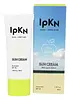
This hybrid sunscreen covers the full UV range and blocks ~98% of UVB at SPF 50.
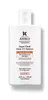
This chemical sunscreen covers most of the UV range, lighter on the deep UVA that drives aging.


What's inside
What's inside
 Key Ingredients
Benefits
Concerns
Ingredients Side-by-side
Water
Skin ConditioningCyclopentasiloxane
Emollient
Ethylhexyl Methoxycinnamate
UV Absorber


Glycerin
Humectant


Zinc Oxide
Cosmetic Colorant
Ethylhexyl Salicylate
UV Absorber
PEG-10 Dimethicone
Skin Conditioning
Cyclomethicone
Emollient
Titanium Dioxide
Cosmetic Colorant
Butyloctyl Salicylate
Skin Conditioning
Dipropylene Glycol
HumectantDisteardimonium Hectorite
StabilisingMagnesium Sulfate
Talc
Abrasive
Diphenyl Dimethicone/Vinyl Diphenyl Dimethicone/Silsesquioxane Crosspolymer
Pyrus Malus Fruit Extract
Skin Conditioning
Phenoxyethanol
Preservative
Dimethicone/Vinyl Dimethicone Crosspolymer
Skin Conditioning
Aluminum Hydroxide
EmollientAluminum Stearate
Cosmetic ColorantMethicone
Emollient
Caprylyl Glycol
Emollient
Parfum
Masking



Glyceryl Caprylate
EmollientDimethicone
Emollient
Opuntia Ficus-Indica Extract
Skin Conditioning
Polyglyceryl-6 Polyricinoleate
Emulsifying
Anthemis Nobilis Flower Extract
Masking

Foeniculum Vulgare Leaf Extract
HumectantLaurus Nobilis Leaf Extract
MaskingLavandula Angustifolia Flower/Leaf/Stem Extract
Masking
Mentha Piperita Extract
CleansingRosmarinus Officinalis Extract
AntimicrobialChromium Oxide Greens
Vaccinium Myrtillus Fruit Extract
Skin ConditioningSaccharum Officinarum Extract
MoisturisingCitrus Aurantium Dulcis Fruit Extract
MaskingCitrus Limon Fruit Extract
Masking
Acer Saccharum Extract
Skin ConditioningBellis Perennis Flower Extract
Skin ConditioningCitric Acid
Buffering

Thymus Vulgaris Oil
Masking

Vitis Vinifera Seed Extract
Antimicrobial
Ocimum Basilicum Leaf Extract
Skin ConditioningOriganum Majorana Leaf Extract
AntiseborrhoeicSalvia Officinalis Leaf Extract
CleansingWater, Cyclopentasiloxane, Ethylhexyl Methoxycinnamate, Glycerin, Zinc Oxide, Ethylhexyl Salicylate, PEG-10 Dimethicone, Cyclomethicone, Titanium Dioxide, Butyloctyl Salicylate, Dipropylene Glycol, Disteardimonium Hectorite, Magnesium Sulfate, Talc, Diphenyl Dimethicone/Vinyl Diphenyl Dimethicone/Silsesquioxane Crosspolymer, Pyrus Malus Fruit Extract, Phenoxyethanol, Dimethicone/Vinyl Dimethicone Crosspolymer, Aluminum Hydroxide, Aluminum Stearate, Methicone, Caprylyl Glycol, Parfum, Glyceryl Caprylate, Dimethicone, Opuntia Ficus-Indica Extract, Polyglyceryl-6 Polyricinoleate, Anthemis Nobilis Flower Extract, Foeniculum Vulgare Leaf Extract, Laurus Nobilis Leaf Extract, Lavandula Angustifolia Flower/Leaf/Stem Extract, Mentha Piperita Extract, Rosmarinus Officinalis Extract, Chromium Oxide Greens, Vaccinium Myrtillus Fruit Extract, Saccharum Officinarum Extract, Citrus Aurantium Dulcis Fruit Extract, Citrus Limon Fruit Extract, Acer Saccharum Extract, Bellis Perennis Flower Extract, Citric Acid, Thymus Vulgaris Oil, Vitis Vinifera Seed Extract, Ocimum Basilicum Leaf Extract, Origanum Majorana Leaf Extract, Salvia Officinalis Leaf Extract
Butyl Methoxydibenzoylmethane 3%
UV Absorber
Homosalate 15%
Skin Conditioning
Ethylhexyl Salicylate 5%
UV Absorber
Octocrylene 10%
UV Absorber
Water
Skin ConditioningDimethicone
Emollient
Alcohol Denat.
Antimicrobial

Silica
Abrasive
Styrene/Acrylates Copolymer
Butyloctyl Salicylate
Skin Conditioning
PEG-30 Dipolyhydroxystearate
Emulsifying
Polymethylsilsesquioxane
Tocopherol
Antioxidant


Phenoxyethanol
Preservative
PEG-8 Laurate
Emulsifying
Lauryl PEG/PPG-18/18 Methicone
Skin Conditioning
Sodium Chloride
MaskingCaprylyl Glycol
Emollient
Isostearyl Alcohol
Emollient
Poly C10-30 Alkyl Acrylate
Emulsion StabilisingP-Anisic Acid
MaskingPentaerythrityl Tetra-Di-T-Butyl Hydroxyhydrocinnamate
Antioxidant
Trisodium Ethylenediamine Disuccinate
ChelatingSodium Dodecylbenzenesulfonate
CleansingButyl Methoxydibenzoylmethane 3%, Homosalate 15%, Ethylhexyl Salicylate 5%, Octocrylene 10%, Water, Dimethicone, Alcohol Denat., Silica, Styrene/Acrylates Copolymer, Butyloctyl Salicylate, PEG-30 Dipolyhydroxystearate, Polymethylsilsesquioxane, Tocopherol, Phenoxyethanol, PEG-8 Laurate, Lauryl PEG/PPG-18/18 Methicone, Sodium Chloride, Caprylyl Glycol, Isostearyl Alcohol, Poly C10-30 Alkyl Acrylate, P-Anisic Acid, Pentaerythrityl Tetra-Di-T-Butyl Hydroxyhydrocinnamate, Trisodium Ethylenediamine Disuccinate, Sodium Dodecylbenzenesulfonate
Reviews
Ingredients Explained
These ingredients are found in both products.
Ingredients higher up in an ingredient list are typically present in a larger amount.
Butyloctyl Salicylate is a chemical UV filter structurally similar to octisalate. It is a photostabilizer, SPF booster, emollient and solvent. This ingredient helps evenly spread out ingredients.
According to a manufacturer, it is suitable for pairing with micro Titanium Dioxide, Zinc Oxide, and pigments.
Photostabilizers help stabilize UV-filters and prevents them from degrading quickly.
Learn more about Butyloctyl SalicylateCaprylyl Glycol is a humectant, skin conditioner, emollient, and preservative booster derived from either caprylic acid or synthetically created.
Typical use levels vary from 0.3-1% as a preservative booster and go up to 2% to condition skin.
Because it is not a free-fatty acid, this ingredient is fungal acne safe (there's nothing for Malassezia to feed on).
Learn more about Caprylyl GlycolDimethicone is a type of synthetic silicone created from natural materials such as quartz. It is also known as polydimethylsiloxane.
What it does:
Dimethicone comes in different viscosities:
Depending on the viscosity, dimethicone has different properties.
Ingredients lists don't always show which type is used, so we recommend reaching out to the brand if you have questions about the viscosity.
This ingredient is unlikely to cause irritation because it does not get absorbed into skin. However, people with silicone allergies should be careful about using this ingredient.
Note: Dimethicone may contribute to pilling. This is because it is not oil or water soluble, so pilling may occur when layered with products. When mixed with heavy oils in a formula, the outcome is also quite greasy.
Learn more about DimethiconeEthylhexyl Salicylate (also called Octisalate or Octyl Salicylate) is an oil-soluble organic UV filter that's been used in sunscreen since the 1950's.
It absorbs UVB light in the 280-320 nm range with a peak absorbance around 306 nm.
You'll often see it paired with other UV filters to boost overall SPF because octisalate is a fairly week filter on its own.
The reason you'll see it so often is because it can help solubilize and stabilize the trickier filters like oxybenzone and avobenzone.
Unlike these filters, octisalate has pretty good photostability and doesn't create skin-damaging free radicals when exposed to sunlight.
The fatty-alcohol part of the molecule also gives it a light, emollient feel so it doubles as a nice texture enhancer.
Usage levels vary around the world:
Safety-wise, this ingredient has a pretty reassuring track record. The EU's Scientific Committee on Consumer Products (SCCP) found very low skin penetration in human skin tests and negative results for irritation, phototoxicity, and photoallergy.
The real-world allergy risk is pretty low too; a 2012 European study of 1,031 people recorded only 2 reactions to it (a rate of 0.19%).
You might have seen scary headlines about sunscreen getting into your blood.
In 2019, the FDA found that several chemical filters can absorb through the skin and show up in the bloodstream at small but measurable levels.
Here's the important part: these tiny levels are just a cutoff the FDA uses to decide which ingredients need more testing and doesn't mean anything harmful was found.
The researchers were clear that the results are no reason to stop wearing sunscreen.
Learn more about Ethylhexyl SalicylatePhenoxyethanol is one of the most widely used preservatives in skincare (and for good reason!).
It has a large spectrum of antimicrobial activity and especially effective bacteria, yeast, and mold while only having a weak effect on your skin's natural microbiome.
On a cellular level, it disrupts the cell membranes of microbes by poking holes that make the cell leak. This shuts down the chemical reactions the microbe needs to make energy so it can no longer survive.
Another perk of this ingredient is that it stays functional across a wide pH range (3-10).
You'll often see it paired with boosters like Ethylhexylglycerin; one study showed that a 1:9 ratio of Ethylhexylglycerin to Phenoxyethanol damages bacterial membranes as effectively as doubling the Phenoxyethanol concentration on its own.
Typical use concentrations range from 0.3-1% depending on the formula, and this ingredient is capped at 1% int the EU.
Safety-wise, the fear mongering does not hold up to the evidence. The EU's Scientific Committee on Consumer Safety and FDA consider it safe as a preservative at up to 1%, including for children of all ages.
Adverse systemic effects only showed up in animal studies at exposures roughly 200x higher than what people get from cosmetics. And despite its very widespread use, this ingredient is a rare sensitizer and allergic reactions are uncommon.
Learn more about PhenoxyethanolWater. It's the most common cosmetic ingredient of all. You'll usually see it at the top of ingredient lists, meaning that it makes up the largest part of the product.
So why is it so popular? Water most often acts as a solvent - this means that it helps dissolve other ingredients into the formulation.
You'll also recognize water as that liquid we all need to stay alive. If you see this, drink a glass of water. Remember to stay hydrated!
Learn more about Water

