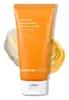
This wash off mask is made with Protease and 3-O-Ethyl Ascorbic Acid for a rinse-off brightening boost.
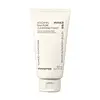
This salicylic acid foaming cleanser is formulated around Salicylic Acid to clear breakouts and unclog pores.

What's inside
What's inside
 Key Ingredients
Benefits
Concerns
Ingredients Side-by-side
Glycerin
Humectant


Water
Skin ConditioningSodium Cocoyl Isethionate
Cleansing
Olea Europaea Fruit Oil
Masking





Caprylic/Capric Triglyceride
Masking
Sorbeth-30 Tetraoleate
Emulsifying
Cetyl Ethylhexanoate
EmollientLauryl Hydroxysultaine
CleansingLauric Acid
Cleansing
Glycol Distearate
Emollient
Polyglyceryl-10 Diisostearate
Emulsifying
Polyglyceryl-10 Stearate
Skin Conditioning
Sodium Chloride
MaskingC14-22 Alcohols
Emulsion Stabilising
Disodium Cocoamphodiacetate
CleansingCitrus Aurantium Dulcis Peel Oil
Masking
Citrus Unshiu Fruit Water
Skin ConditioningButylene Glycol
Humectant
Citrus Limon Peel Oil
Masking


Polyquaternium-7
Citrus Aurantium Bergamia Fruit Oil
Masking
C12-20 Alkyl Glucoside
EmulsifyingProtease
Exfoliating


CI 77492
Cosmetic ColorantSodium Benzoate
Masking
1,2-Hexanediol
Skin Conditioning
3-O-Ethyl Ascorbic Acid
Skin Conditioning



Citric Acid
Buffering
Gluconolactone
Chelating



Citrus Unshiu Peel Extract
MaskingPropanediol
Solvent
Ethylhexylglycerin
Skin ConditioningCitrus Sphaerocarpa Peel Extract
Limonene
Perfuming
Citrus Aurantium Peel Oil
Citrus Aurantium Bergamia Peel Oil
Perfuming
Pinene
Masking
Linalyl Acetate
Masking
Linalool
Perfuming
Citral
Perfuming
Glycerin, Water, Sodium Cocoyl Isethionate, Olea Europaea Fruit Oil, Caprylic/Capric Triglyceride, Sorbeth-30 Tetraoleate, Cetyl Ethylhexanoate, Lauryl Hydroxysultaine, Lauric Acid, Glycol Distearate, Polyglyceryl-10 Diisostearate, Polyglyceryl-10 Stearate, Sodium Chloride, C14-22 Alcohols, Disodium Cocoamphodiacetate, Citrus Aurantium Dulcis Peel Oil, Citrus Unshiu Fruit Water, Butylene Glycol, Citrus Limon Peel Oil, Polyquaternium-7, Citrus Aurantium Bergamia Fruit Oil, C12-20 Alkyl Glucoside, Protease, CI 77492, Sodium Benzoate, 1,2-Hexanediol, 3-O-Ethyl Ascorbic Acid, Citric Acid, Gluconolactone, Citrus Unshiu Peel Extract, Propanediol, Ethylhexylglycerin, Citrus Sphaerocarpa Peel Extract, Limonene, Citrus Aurantium Peel Oil, Citrus Aurantium Bergamia Peel Oil, Pinene, Linalyl Acetate, Linalool, Citral
Water
Skin ConditioningGlycerin
Humectant
Myristic Acid
Cleansing
Stearic Acid
Cleansing
PEG-32
HumectantPotassium Hydroxide
BufferingButylene Glycol
Humectant
Palmitic Acid
Emollient
Lauric Acid
Cleansing
Cocamidopropyl Betaine
Cleansing
Hydrated Silica
Abrasive
Lauryl Glucoside
CleansingGlyceryl Stearate
Emollient
PEG-100 Stearate
Surfactant
Parfum
Masking
Sodium Chloride
MaskingSilica
Abrasive
Salicylic Acid
Masking
Polyquaternium-7
Zinc PCA
Humectant
Volcanic Ash
Abrasive
Sodium Metaphosphate
BufferingSodium Benzoate
Masking
Lactic Acid
Buffering
Lactic Acid/Glycolic Acid Copolymer
Skin ConditioningGlycolic Acid
Buffering
Madecassoside
Antioxidant
Citric Acid
Buffering
Polyquaternium-10
Water, Glycerin, Myristic Acid, Stearic Acid, PEG-32, Potassium Hydroxide, Butylene Glycol, Palmitic Acid, Lauric Acid, Cocamidopropyl Betaine, Hydrated Silica, Lauryl Glucoside, Glyceryl Stearate, PEG-100 Stearate, Parfum, Sodium Chloride, Silica, Salicylic Acid, Polyquaternium-7, Zinc PCA, Volcanic Ash, Sodium Metaphosphate, Sodium Benzoate, Lactic Acid, Lactic Acid/Glycolic Acid Copolymer, Glycolic Acid, Madecassoside, Citric Acid, Polyquaternium-10
Reviews
Alternatives
Ingredients Explained
These ingredients are found in both products.
Ingredients higher up in an ingredient list are typically present in a larger amount.
Butylene Glycol (or BG) is used within cosmetic products for a few different reasons:
Overall, Butylene Glycol is a safe and well-rounded ingredient that works well with other ingredients.
Though this ingredient works well with most skin types, some people with sensitive skin may experience a reaction such as allergic rashes, closed comedones, or itchiness.
Learn more about Butylene GlycolCitric Acid is an alpha hydroxy acid (AHA) naturally found in citrus fruits like oranges, lemons, and limes.
Like other AHAs, citric acid can exfoliate skin by breaking down the bonds that hold dead skin cells together. This helps reveal smoother and brighter skin underneath.
However, this exfoliating effect only happens at high concentrations (20%) which can be hard to find in cosmetic products.
Due to this, citric acid is usually included in small amounts as a pH adjuster. This helps keep products slightly more acidic and compatible with skin's natural pH.
In skincare formulas, citric acid can:
While it can provide some skin benefits, research shows lactic acid and glycolic acid are generally more effective and less irritating exfoliants.
Most citric acid used in skincare today is made by fermenting sugars (usually from molasses). This synthetic version is identical to the natural citrus form but easier to stabilize and use in formulations.
Rosacea skin has a lower threshold for acids generally, with 62.5% of rosacea subjects in one study reacting to lactic acid in a sting test. This is why we mark citric acid as a potential rosacea trigger.
However, this ingredient shows up as a pH adjuster or chelator at roughly 0.1-1% in many products. These low levels are unlikely to be an issue for rosacea skin and becomes a potential trigger at exfoliating concentrations (20%). Because everybody's skin is unique, we recommend a patch test if you are unsure.
Learn more about Citric AcidGlycerin (or glycerol) is a compound naturally found in your skin. It's a powerhouse humectant that pulls water into the stratum corneum.
Topically, glycerin does several things at once:
Your skin makes glycerin on its own (mostly from sebaceous oil breakdown) and shuttles it to your outermost layer of skin, or your epidermis, via aquaporin-3.
Aquaporin-3 is a transporter that is essential for normal skin hydration, elasticity, and repair. Interestingly, mice lacking in AQP3 have dry and less elastic skin that can be fully corrected with glycerin.
This ingredient is non-irritating, plays well with almost every ingredient, and works across all skin types. Typical use is anywhere between 3-10% but can go up to 79% in some leave-on products.
Just know very high concentrations (>40%) can feel tacky in low humidity.
Glycerin is the name for this ingredient in American English. British English uses Glycerol/Glycerine.
Learn more about GlycerinLauric Acid is a saturated fatty acid naturally found in coconut oil, palm kernel oil, and even breast milk.
In cosmetics, it is an:
Lab studies have found that lauric acid is surprisingly good at killing acne-causing bacteria. However, these tests were done on bacteria in a petri dish and not on real skin, so we can't say for certain it works the same in a formulation on a real face.
The comedogenic rating of 4 comes from the 1972 rabbit ear model using undiluted ingredients. Comedogenicity is highly individual and one comedogenic ingredient cannot predict how a formula will behave on skin.
This ingredient is not fungal acne safe and research has confirmed Malassezia can use it as a food source. Even though "fungal acne" has the word "acne" in it, they are completely different. Regular acne is driven by a bacteria called Cutibacterium acnes, clogged pores, and excess oil. Fungal acne isn't really acne; it's caused by an overgrowth of a yeast called Malassezia that already lives on everyone's skin. Because one is bacterial and the other is fungal, they respond to different ingredients.
Learn more about Lauric AcidPolyquaternium-7 is a light to clear colored liquid. It is commonly found in haircare products for its film-forming and anti-static properties.
According to a manufacturer, it is a non-paraben and specially developed for negatively charged surfactant systems. This makes it a great hairstyle holder and helps to improve wet hair detangling without adding buildup.
Sodium Benzoate is a preservative. It's used in both cosmetic and food products to inhibit the growth of mold and bacteria. It is typically produced synthetically.
Both the US FDA and EU Health Committee have approved the use of sodium benzoate. In the US, levels of 0.1% (of the total product) are allowed.
Sodium benzoate works as a preservative by inhibiting the growth of bacteria inside of cells. It prevents the cell from fermenting a type of sugar using an enzyme called phosphofructokinase.
It is the salt of benzoic acid. Foods containing sodium benzoate include soda, salad dressings, condiments, fruit juices, wines, and snack foods.
Studies for using ascorbic acid and sodium benzoate in cosmetics are lacking, especially in skincare routines with multiple steps.
We always recommend speaking with a professional, such as a dermatologist, if you have any concerns.
Learn more about Sodium BenzoateChances are, you eat sodium chloride every day. Sodium Chloride is also known as table salt. This ingredient has many purposes in skincare: thickener, emulsifier, and exfoliator.
You'll most likely find this ingredient in cleansers where it is used to create a gel-like texture. As an emulsifier, it also prevents ingredients from separating.
You might see people debate whether Sodium Chloride is comedogenic, but there actually haven't been any comedogenic tests done on it. Either way, the overall formulation of a product matters a lot more than any single ingredient.
You might see this ingredient used in scrubs as a primary exfoliating ingredient.
Learn more about Sodium ChlorideWater. It's the most common cosmetic ingredient of all. You'll usually see it at the top of ingredient lists, meaning that it makes up the largest part of the product.
So why is it so popular? Water most often acts as a solvent - this means that it helps dissolve other ingredients into the formulation.
You'll also recognize water as that liquid we all need to stay alive. If you see this, drink a glass of water. Remember to stay hydrated!
Learn more about Water

