

What's inside
What's inside
 Key Ingredients
Benefits
Concerns
Ingredients Side-by-side
Water
Skin ConditioningGlycerin
Humectant


Propanediol
Solvent
Niacinamide
Smoothing









Dibutyl Adipate
EmollientButylene Glycol
Humectant
Caprylic/Capric Triglyceride
Masking
1,2-Hexanediol
Skin Conditioning
Hydrogenated Lecithin
Emulsifying
Ammonium Acryloyldimethyltaurate/Vp Copolymer
Helianthus Annuus Seed Oil
Emollient


Cholesterol
Emollient
Allantoin
Skin Conditioning
Glycine Soja Oil
Emollient


Tocopherol
Antioxidant

Tocopheryl Acetate
Antioxidant
Sodium Methyl Stearoyl Taurate
CleansingDaucus Carota Sativa Root Extract
Skin Conditioning
Pentylene Glycol
Skin Conditioning
Ethylhexylglycerin
Skin ConditioningAdenosine
Skin Conditioning
Asiaticoside
Antioxidant
Madecassic Acid
Skin Conditioning
Camellia Sinensis Seed Extract
Humectant
Asiatic Acid
Skin Conditioning
Retinol
Skin Conditioning

Stearyl Glycyrrhetinate
Skin ConditioningHyaluronic Acid
Humectant
Mannitol
Humectant
Ceramide NP
Skin Conditioning
Carbomer
Emulsion StabilisingBeta-Glucan
Skin Conditioning
Beta-Carotene
Skin ConditioningPhytosphingosine
Skin Conditioning
Salicylic Acid
Masking


Acacia Senegal Gum
MaskingAcetyl Tetrapeptide-11
Skin Conditioning
Propylene Glycol Alginate
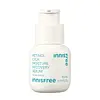
Water, Glycerin, Propanediol, Niacinamide, Dibutyl Adipate, Butylene Glycol, Caprylic/Capric Triglyceride, 1,2-Hexanediol, Hydrogenated Lecithin, Ammonium Acryloyldimethyltaurate/Vp Copolymer, Helianthus Annuus Seed Oil, Cholesterol, Allantoin, Glycine Soja Oil, Tocopherol, Tocopheryl Acetate, Sodium Methyl Stearoyl Taurate, Daucus Carota Sativa Root Extract, Pentylene Glycol, Ethylhexylglycerin, Adenosine, Asiaticoside, Madecassic Acid, Camellia Sinensis Seed Extract, Asiatic Acid, Retinol, Stearyl Glycyrrhetinate, Hyaluronic Acid, Mannitol, Ceramide NP, Carbomer, Beta-Glucan, Beta-Carotene, Phytosphingosine, Salicylic Acid, Acacia Senegal Gum, Acetyl Tetrapeptide-11, Propylene Glycol Alginate
Water
Skin ConditioningCaprylic/Capric Triglyceride
Masking
Oleyl Erucate
Emollient
Glycerin
Humectant
Triheptanoin
Skin ConditioningCetearyl Olivate
Sorbitan Olivate
Emulsifying
Cyclodextrin
AbsorbentHydroxyethyl Acrylate/Sodium Acryloyldimethyl Taurate Copolymer
Emulsion StabilisingBiosaccharide Gum-1
Humectant
Allantoin
Skin Conditioning
Retinal
Skin Conditioning
Rubus Chamaemorus Seed Oil
Skin Conditioning
Panthenol
Skin Conditioning
Citric Acid
Buffering
Tocopheryl Acetate
Antioxidant
Disodium EDTA
Pentylene Glycol
Skin Conditioning
Lonicera Japonica Flower Extract
Skin ConditioningLonicera Caprifolium Flower Extract
Perfuming
Ethylhexylglycerin
Skin ConditioningPhenoxyethanol
Preservative
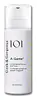
Water, Caprylic/Capric Triglyceride, Oleyl Erucate, Glycerin, Triheptanoin, Cetearyl Olivate, Sorbitan Olivate, Cyclodextrin, Hydroxyethyl Acrylate/Sodium Acryloyldimethyl Taurate Copolymer, Biosaccharide Gum-1, Allantoin, Retinal, Rubus Chamaemorus Seed Oil, Panthenol, Citric Acid, Tocopheryl Acetate, Disodium EDTA, Pentylene Glycol, Lonicera Japonica Flower Extract, Lonicera Caprifolium Flower Extract, Ethylhexylglycerin, Phenoxyethanol
Reviews
Ingredients Explained
These ingredients are found in both products.
Ingredients higher up in an ingredient list are typically present in a larger amount.
Allantoin is a soothing ingredient known for its protective and moisturizing properties; it's basically a quiet workhorse ingredient you can find in a huge range of cosmetics.
Though it can be derived from the comfrey plant, allantoin is produced synthetically for cosmetic products to ensure purity.
Research shows it can encourage your skin cells to turn over and renew by stimulating keratinocyte and fibroblast proliferation.
It also has mild keratolytic properties to help loosen and shed dead skin cells without being harsh.
Studies also suggest allantoin can help calm inflammation by dialing down some of the chemical signals your skin sends out when it is irritated.
This ingredient is typically used in the 0.1-0.5% range, and the FDA recognizes it as a skin protectant in OTC products up to 2%.
Overall, allantoin is a wonderful addition to most routines; it is stable across a wide pH range (~4-8), works well with other ingredients, and is considered non-sensitizing/non-irritating.
Fun fact: Allantoin is naturally occurring in comfrey root, beets, chamomile, and wheat sprouts. Our bodies even produce it as a byproduct of uric acid metabolism.
Learn more about AllantoinCaprylic/Capric Triglyceride (aka MCT Oil) is a lightweight emollient, solvent, and texture enhancer. It is considered a skin-softener by helping to prevent moisture loss.
Though it behaves like an oil, it is not technically one due to its chemical composition. One perk of this ingredient is that it is very stable, resistant to oxidation, and unlikely to go rancid.
In practice, that translates to a long shelf life and a consistently elegant skin feel.
While there is an assumption Caprylic Triglyceride can clog pores due to it being derived from coconut oil, there is no research supporting this. Just patch test if you have concerns.
Fractionated coconut oil and MCT Oil are both listed as Caprylic/Capric Triglyceride according to INCI. This is because INCI names are based on the ingredient’s final chemical composition and not its marketing name or source.
This ingredient is treated as the gold standard fungal acne safe oil. Even though it is coconut derived, the problematic lauric acid is stripped out.
This leaves just caprylic (C8) and capric (C10) acid. These chain lengths actually trend antifungal; a 2020 study found caprylic acid was enough to disrupt Malassezia furfur cell membrane, with a caprylic acid derivative damaging membrane structures at concentrations as low as 0.2%.
Learn more about Caprylic/Capric TriglycerideEthylhexylglycerin is created from glycerin. It is a multitasker ingredient that:
The CIR Expert Panel found minimal skin absorption or sensitization of any kind in a safety assessment. Though this ingredient is considered well-tolerated, a small number of cases of allergic dermatitis have been published since 2002. Just be sure to patch test if you are unsure.
Industry-reported use ranges from 8% in rinse-off products and 2% in leave-on formulations.
Learn more about EthylhexylglycerinGlycerin (or glycerol) is a compound naturally found in your skin. It's a powerhouse humectant that pulls water into the stratum corneum.
Topically, glycerin does several things at once:
Your skin makes glycerin on its own (mostly from sebaceous oil breakdown) and shuttles it to your outermost layer of skin, or your epidermis, via aquaporin-3.
Aquaporin-3 is a transporter that is essential for normal skin hydration, elasticity, and repair. Interestingly, mice lacking in AQP3 have dry and less elastic skin that can be fully corrected with glycerin.
This ingredient is non-irritating, plays well with almost every ingredient, and works across all skin types. Typical use is anywhere between 3-10% but can go up to 79% in some leave-on products.
Just know very high concentrations (>40%) can feel tacky in low humidity.
Glycerin is the name for this ingredient in American English. British English uses Glycerol/Glycerine.
Learn more about GlycerinPentylene Glycol (1,2-pentanediol) is a multitasking little diol with three main roles in a formula:
Research on alkanediols (the family pentylene glycol belongs to) show they work by disrupting microbial cell membranes. This disruption helps the primary preservative system in a product work more effectively at lower doses.
On the safety side, the Cosmetic Ingredient Review Expert Panel has concluded this ingredient to be safe as used in current cosmetic practices + concentrations.
Typical use levels in a formula run about 1-5%.
Learn more about Pentylene GlycolTocopheryl Acetate is a stable, shelf-friendly form of vitamin E.
Formulators love it because plain vitamin E oxidizes quickly once it hits air. This acetate version stays stable and resists going off, helping to extend a product's shelf life.
It's actually inactive on its own and works like a slow-release "storage" form; the enzymes in your skin called esterases gradually convert it into active vitamin E over time.
One in vivo study showed 5% of the acetate in the living layer of the epidermis converted to vitamin E after 5 days of application. This study also found the skin gained protection against UV damage even though the conversion was slow and small.
Once converted, vitamin E acts as a skin's main fat-soluble antioxidant that fights free radicals to protect skin from damage.
Topical vitamin E generally boosts the skin's photoprotection, and it reduced UV-damage in animal models.
This ingredient has some brightening potential but it's more of a prevention ingredient than spot-fader. Cell studies show it can slow down melanin production but it's worth noting that it's not the most powerful brightener out there.
Overall, it has a pretty solid safety profile and has been found to be non-irritating and non-comedogenic. Allergic reactions may happen but stay rare due to how widely the ingredient gets used.
The concentration will vary depending on the formula; industry data shows 0.1% in baby lotions, 3% in lipsticks, and 5% in foot powders. You can also find this ingredient at 100% in a pure vitamin E oil.
Most leave-on skincare keeps it at the lower end, often between 0.5-1%.
Learn more about Tocopheryl AcetateWater. It's the most common cosmetic ingredient of all. You'll usually see it at the top of ingredient lists, meaning that it makes up the largest part of the product.
So why is it so popular? Water most often acts as a solvent - this means that it helps dissolve other ingredients into the formulation.
You'll also recognize water as that liquid we all need to stay alive. If you see this, drink a glass of water. Remember to stay hydrated!
Learn more about Water

