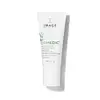
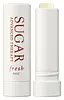
IMAGE skincare Ormedic Balancing Lip Enhancement Complex Versus Fresh Sugar Advanced Therapy Treatment Lip Balm
This anti-aging lip moisturizer is formulated around Persea Gratissima Oil and Palmitoyl Tripeptide-1 to soften the look of wrinkles and hydrate lips.
This barrier-repair lip moisturizer is formulated around Simmondsia Chinensis Seed Oil and Vitis Vinifera Seed Oil to strengthen the lip barrier and hydrate lips.

What's inside
What's inside
 Key Ingredients
Benefits
Concerns
Ingredients Side-by-side
Hydrogenated Polyisobutene
EmollientEthylene/Propylene/Styrene Copolymer
Persea Gratissima Oil
Skin Conditioning



Phenyl Trimethicone
Skin Conditioning
Pentaerythrityl Tetraisostearate
Emollient
Ethylhexyl Palmitate
Emollient


PPG-12/Smdi Copolymer
EmollientTribehenin
Emollient
Butylene/Ethylene/Styrene Copolymer
Diisopropyl Dimer Dilinoleate
Emollient
Aroma


Tocopheryl Acetate
Antioxidant


Limonene
Perfuming

Silica Dimethyl Silylate
EmollientSorbitan Isostearate
Emulsifying
Butylene Glycol
Humectant
Pentylene Glycol
Skin Conditioning
Sodium Chondroitin Sulfate
Skin ConditioningPentaerythrityl Tetra-Di-T-Butyl Hydroxyhydrocinnamate
Antioxidant
Mica
Cosmetic ColorantCI 77891
Cosmetic ColorantAtelocollagen
Skin Conditioning
Tocopherol
Antioxidant

Linalool
Perfuming
Citral
Perfuming
Palmitoyl Tripeptide-1
Skin Conditioning


Oryzanol
Skin ConditioningUbiquinone
Antioxidant
Hydrogenated Polyisobutene, Ethylene/Propylene/Styrene Copolymer, Persea Gratissima Oil, Phenyl Trimethicone, Pentaerythrityl Tetraisostearate, Ethylhexyl Palmitate, PPG-12/Smdi Copolymer, Tribehenin, Butylene/Ethylene/Styrene Copolymer, Diisopropyl Dimer Dilinoleate, Aroma, Tocopheryl Acetate, Limonene, Silica Dimethyl Silylate, Sorbitan Isostearate, Butylene Glycol, Pentylene Glycol, Sodium Chondroitin Sulfate, Pentaerythrityl Tetra-Di-T-Butyl Hydroxyhydrocinnamate, Mica, CI 77891, Atelocollagen, Tocopherol, Linalool, Citral, Palmitoyl Tripeptide-1, Oryzanol, Ubiquinone
Cera Alba
Emollient
Simmondsia Chinensis Seed Oil
Emollient
Hydrogenated Olive Oil Decyl Esters
Emulsion Stabilising
Hydrogenated Palm Kernel Glycerides
EmollientRicinus Communis Seed Oil
Masking
Vitis Vinifera Seed Oil
Emollient
Ethylhexyl Palmitate
Emollient
Parfum
Masking
Hydrogenated Palm Glycerides
Emollient
Theobroma Grandiflorum Seed Butter
Skin Conditioning
Prunus Domestica Seed Oil
Skin Conditioning
Copernicia Cerifera Wax
Limnanthes Alba Seed Oil
Skin Conditioning
Hydrogenated Vegetable Oil
Emollient
Passiflora Incarnata Seed Oil
Skin Protecting
Sucrose Tetrastearate Triacetate
Emollient
Crithmum Maritimum Extract
Skin ConditioningCommiphora Mukul Resin Extract
Skin ConditioningRibes Nigrum Seed Oil
Emollient
Tocopherol
Antioxidant
Ascorbyl Tetraisopalmitate
Antioxidant
Tocopheryl Acetate
Antioxidant
Ascorbyl Palmitate
Antioxidant
PEG-6 Isostearate
Emulsifying
Caprylic/Capric Triglyceride
Masking
Ammonium Glycyrrhizate
MaskingTrihydroxystearin
Skin Conditioning
Hesperetin Laurate
Antioxidant
Vanillin
Masking
Butylene Glycol
Humectant
BHT
Antioxidant
Caprylyl Glycol
Emollient
Sodium Hyaluronate
Humectant
Hexylene Glycol
EmulsifyingPhenoxyethanol
Preservative
Limonene
Perfuming
Citral
Perfuming
Benzyl Alcohol
Perfuming
Linalool
Perfuming
Geraniol
Perfuming
Cera Alba, Simmondsia Chinensis Seed Oil, Hydrogenated Olive Oil Decyl Esters, Hydrogenated Palm Kernel Glycerides, Ricinus Communis Seed Oil, Vitis Vinifera Seed Oil, Ethylhexyl Palmitate, Parfum, Hydrogenated Palm Glycerides, Theobroma Grandiflorum Seed Butter, Prunus Domestica Seed Oil, Copernicia Cerifera Wax, Limnanthes Alba Seed Oil, Hydrogenated Vegetable Oil, Passiflora Incarnata Seed Oil, Sucrose Tetrastearate Triacetate, Crithmum Maritimum Extract, Commiphora Mukul Resin Extract, Ribes Nigrum Seed Oil, Tocopherol, Ascorbyl Tetraisopalmitate, Tocopheryl Acetate, Ascorbyl Palmitate, PEG-6 Isostearate, Caprylic/Capric Triglyceride, Ammonium Glycyrrhizate, Trihydroxystearin, Hesperetin Laurate, Vanillin, Butylene Glycol, BHT, Caprylyl Glycol, Sodium Hyaluronate, Hexylene Glycol, Phenoxyethanol, Limonene, Citral, Benzyl Alcohol, Linalool, Geraniol
Ingredients Explained
These ingredients are found in both products.
Ingredients higher up in an ingredient list are typically present in a larger amount.
Butylene Glycol (or BG) is used within cosmetic products for a few different reasons:
Overall, Butylene Glycol is a safe and well-rounded ingredient that works well with other ingredients.
Though this ingredient works well with most skin types, some people with sensitive skin may experience a reaction such as allergic rashes, closed comedones, or itchiness.
Learn more about Butylene GlycolCitral is the molecule responsible for the fresh lemon scent in lemon, lime, and lemongrass. It is a fragrance ingredient that can be created from plant essential oils or synthetically.
Though Citral has documented antimicrobial activity against acne bacteria (which is where the marketing claims about it being good for acne-prone skin originate), real formulas use it at fragrance-level concentrations under 1% so there's likely no skin benefit.
You should know this ingredient is a known EU fragrance allergen.
Animal studies classifies this ingredient as a weak-to-moderate skin sensitizer and clinical patch testing on eczema patients confirmed it to be both a contact allergen and irritant.
The term 'citral' is a collective term for two geometric isomers: geranial/Citral A and neral/Citral B.
The term 'fragrance' is not regulated in many countries. In many cases, it is up to the brand to define this term. For instance, many brands choose to label themselves as "fragrance-free" because they are not using synthetic fragrances. However, their products may still contain ingredients such as essential oils that are considered a fragrance.
Learn more about CitralEthylhexyl Palmitate, also known as octyl palmitate, is created from 2-ethylhexyl alcohol and palmitic acid.
In cosmetics, it plays many roles:
One thing worth noting: a controlled study found this ingredient applied under occlusion to acne-prone subjects increased microcomedones. Just keep in mind this was under occlusive conditions and don't reflect how most products are used day-to-day.
For most people, this is a well-tolerated and lightweight ingredient.
This ingredient may not be fungal acne safe because it is an ester of palmitic acid, a C16 fatty acid that falls within the C11-24 range that Malassezia can metabolize.
Learn more about Ethylhexyl PalmitateLimonene is a fragrance that adds scent and taste to a formulation.
It's found in the peel oil of citrus fruits and other plants such as lavender and eucalyptus. The scent of limonene is generally described as "sweet citrus".
Limonene acts as an antioxidant, meaning it helps neutralize free radicals.
When exposed to air, oxidized limonene may sensitize the skin. Because of this, limonene is often avoided by people with sensitive skin.
The term 'fragrance' is not regulated in many countries. In many cases, it is up to the brand to define this term. For instance, many brands choose to label themselves as "fragrance-free" because they are not using synthetic fragrances. However, their products may still contain ingredients such as essential oils that are considered a fragrance.
Learn more about LimoneneLinalool is a fragrance and helps add scent to products. It's derived from common plants such as cinnamon, mint, citrus, and lavender.
Like Limonene, this ingredient oxidizes when exposed to air. Oxidized linalool can cause allergies and skin sensitivity.
This ingredient has a scent that is floral, spicy tropical, and citrus-like.
Learn more about LinaloolTocopherol is a fat-soluble antioxidant known as Vitamin E.
You'll find this ingredient in the vast majority of skincare (for good reason). It works to neutralize free radicals, or unstable molecules generated by UV exposure, pollution, and other environmental stressors, before they can cause oxidative damage to your skin cells.
Topically applied tocopherol has been shown to protect against UV damage by ramping up the skin's own natural defense enzymes.
It also acts as a skin conditioning agent; some studies show that regular topical use can improve the skin's water-binding capacity over 2-4 weeks.
This ingredient is especially loved for being a team player. When combined with Vitamin C, the photoprotective effect of both ingredients roughly doubles and the combo also helps reduce UV-induced DNA damage.
This ingredient has some brightening potential but it's more of a prevention ingredient than spot-fader. Cell studies show it can slow down melanin production but it's worth noting that it's not the most powerful brightener out there.
In formulations, it also serves as a stabilizer that helps protect other oxidation-prone ingredients from degrading.
Concentrations usually range from 0.1-1% in most leave-on products.
Learn more about TocopherolTocopheryl Acetate is a stable, shelf-friendly form of vitamin E.
Formulators love it because plain vitamin E oxidizes quickly once it hits air. This acetate version stays stable and resists going off, helping to extend a product's shelf life.
It's actually inactive on its own and works like a slow-release "storage" form; the enzymes in your skin called esterases gradually convert it into active vitamin E over time.
One in vivo study showed 5% of the acetate in the living layer of the epidermis converted to vitamin E after 5 days of application. This study also found the skin gained protection against UV damage even though the conversion was slow and small.
Once converted, vitamin E acts as a skin's main fat-soluble antioxidant that fights free radicals to protect skin from damage.
Topical vitamin E generally boosts the skin's photoprotection, and it reduced UV-damage in animal models.
This ingredient has some brightening potential but it's more of a prevention ingredient than spot-fader. Cell studies show it can slow down melanin production but it's worth noting that it's not the most powerful brightener out there.
Overall, it has a pretty solid safety profile and has been found to be non-irritating and non-comedogenic. Allergic reactions may happen but stay rare due to how widely the ingredient gets used.
The concentration will vary depending on the formula; industry data shows 0.1% in baby lotions, 3% in lipsticks, and 5% in foot powders. You can also find this ingredient at 100% in a pure vitamin E oil.
Most leave-on skincare keeps it at the lower end, often between 0.5-1%.
Learn more about Tocopheryl Acetate

