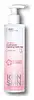
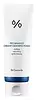
Icon Skin SkinBiom Pro & Prebiotic Cleansing Cream-Gel Versus Dr.Ceuracle Pro Balance Creamy Cleansing Foam
This mild cream cleanser is made to cleanse while respecting your skin barrier.


What's inside
What's inside
 Key Ingredients
Benefits
Concerns
Ingredients Side-by-side
Water
Skin ConditioningSqualane
Emollient


PEG-6 Caprylic/Capric Glycerides
EmulsifyingMacadamia Seed Oil Glycereth-8 Esters
Surfactant
Glycerin
Humectant
Coco-Glucoside
Cleansing
Aloe Barbadensis Leaf Juice
Skin Conditioning

Cocamidopropyl Betaine
Cleansing


Algin
MaskingAmmonium Acryloyldimethyltaurate/Vp Copolymer
Inulin
Skin Conditioning
Panthenol
Skin Conditioning
Tocopheryl Acetate
Antioxidant


Lactobacillus Ferment Lysate
Skin Conditioning
Taraxacum Officinale Leaf Extract
Skin ConditioningAllantoin
Skin Conditioning
Centella Asiatica Extract
Cleansing
Urea
Buffering
Sodium Hyaluronate
Humectant
Phenoxyethanol
Preservative
Parfum
Masking

Ethylhexylglycerin
Skin ConditioningSodium Benzoate
Masking
Potassium Sorbate
Preservative
Butylene Glycol
Humectant
1,2-Hexanediol
Skin Conditioning
Water, Squalane, PEG-6 Caprylic/Capric Glycerides, Macadamia Seed Oil Glycereth-8 Esters, Glycerin, Coco-Glucoside, Aloe Barbadensis Leaf Juice, Cocamidopropyl Betaine, Algin, Ammonium Acryloyldimethyltaurate/Vp Copolymer, Inulin, Panthenol, Tocopheryl Acetate, Lactobacillus Ferment Lysate, Taraxacum Officinale Leaf Extract, Allantoin, Centella Asiatica Extract, Urea, Sodium Hyaluronate, Phenoxyethanol, Parfum, Ethylhexylglycerin, Sodium Benzoate, Potassium Sorbate, Butylene Glycol, 1,2-Hexanediol
Water
Skin ConditioningMyristic Acid
Cleansing

Glycerin
Humectant
Potassium Hydroxide
BufferingLauric Acid
Cleansing
Palmitic Acid
Emollient
Stearic Acid
Cleansing
Glyceryl Glucoside
Humectant
Lauryl Betaine
CleansingPolyglyceryl-2 Stearate
Emulsifying
Beeswax
Emulsion Stabilising
Glyceryl Stearate
Emollient
Stearyl Alcohol
Emollient
Citrus Aurantium Dulcis Peel Oil
Masking
Citrus Paradisi Peel Oil
Masking

Citrus Aurantium Bergamia Fruit Oil
Masking
Butylene Glycol
Humectant
Glucose
Humectant
Disodium EDTA
ChelatingMelaleuca Alternifolia Leaf Oil
Antioxidant

Hydrolyzed Hyaluronic Acid
Humectant
Citrus Limon Fruit Extract
Masking
Hippophae Rhamnoides Fruit Extract
Skin Conditioning
Citrus Aurantium Dulcis Fruit Extract
MaskingGlycyrrhiza Glabra Root Extract
Bleaching
Lactobacillus Ferment Lysate
Skin Conditioning
1,2-Hexanediol
Skin Conditioning
Sodium Hyaluronate
Humectant
Candida Bombicola/Glucose/Methyl Rapeseedate Ferment
AntimicrobialLactobacillus Ferment
Skin Conditioning
Lactococcus Ferment Lysate
Skin Conditioning
Bifida Ferment Filtrate
Skin Conditioning
Bifida Ferment Lysate
Skin Conditioning
Saccharomyces Ferment Filtrate
Humectant
Water, Myristic Acid, Glycerin, Potassium Hydroxide, Lauric Acid, Palmitic Acid, Stearic Acid, Glyceryl Glucoside, Lauryl Betaine, Polyglyceryl-2 Stearate, Beeswax, Glyceryl Stearate, Stearyl Alcohol, Citrus Aurantium Dulcis Peel Oil, Citrus Paradisi Peel Oil, Citrus Aurantium Bergamia Fruit Oil, Butylene Glycol, Glucose, Disodium EDTA, Melaleuca Alternifolia Leaf Oil, Hydrolyzed Hyaluronic Acid, Citrus Limon Fruit Extract, Hippophae Rhamnoides Fruit Extract, Citrus Aurantium Dulcis Fruit Extract, Glycyrrhiza Glabra Root Extract, Lactobacillus Ferment Lysate, 1,2-Hexanediol, Sodium Hyaluronate, Candida Bombicola/Glucose/Methyl Rapeseedate Ferment, Lactobacillus Ferment, Lactococcus Ferment Lysate, Bifida Ferment Filtrate, Bifida Ferment Lysate, Saccharomyces Ferment Filtrate
Reviews
Ingredients Explained
These ingredients are found in both products.
Ingredients higher up in an ingredient list are typically present in a larger amount.
1,2-Hexanediol is a synthetic liquid and another multi-functional powerhouse.
It is a:
- Humectant, drawing moisture into the skin
- Emollient, helping to soften skin
- Solvent, dispersing and stabilizing formulas
- Preservative booster, enhancing the antimicrobial activity of other preservatives
Butylene Glycol (or BG) is used within cosmetic products for a few different reasons:
Overall, Butylene Glycol is a safe and well-rounded ingredient that works well with other ingredients.
Though this ingredient works well with most skin types, some people with sensitive skin may experience a reaction such as allergic rashes, closed comedones, or itchiness.
Learn more about Butylene GlycolGlycerin (or glycerol) is a compound naturally found in your skin. It's a powerhouse humectant that pulls water into the stratum corneum.
Topically, glycerin does several things at once:
Your skin makes glycerin on its own (mostly from sebaceous oil breakdown) and shuttles it to your outermost layer of skin, or your epidermis, via aquaporin-3.
Aquaporin-3 is a transporter that is essential for normal skin hydration, elasticity, and repair. Interestingly, mice lacking in AQP3 have dry and less elastic skin that can be fully corrected with glycerin.
This ingredient is non-irritating, plays well with almost every ingredient, and works across all skin types. Typical use is anywhere between 3-10% but can go up to 79% in some leave-on products.
Just know very high concentrations (>40%) can feel tacky in low humidity.
Glycerin is the name for this ingredient in American English. British English uses Glycerol/Glycerine.
Learn more about GlycerinLactobacillus Ferment Lysate is a postbiotic with skin soothing properties. Postbiotics are inactive molecules produced by probiotic bacteria that provide skin benefits.
This ingredient comes from the secretion of the bacteria, Lactobacillus.
Studies show this ingredient can help calm redness and may help treat the signs of photoaging; however, the evidence is inconclusive and further studies are needed.
Lactobacillus Ferment is generally considered safe for fungal-acne prone skin. The key thing to understand is that it comes from bacteria, not yeast or fungus.
Yeast-derived ferments (like galactomyces) have been shown to activate a protein that's linked to Malassezia-related skin issues whereas lactobacillus doesn't have that problem.
Its byproducts also don't contain the types of fatty acids (C11-24 chain lengths) that Malassezia feeds on.
Learn more about Lactobacillus Ferment LysateSodium Hyaluronate is the salt form of hyaluronic acid. It is a long sugar chain that is naturally found in your skin, joints, and connective tissue that maintains hydration and elasticity.
In skincare, it works as a humectant. It pulls water from the environment and deeper layers of skin and binds it to the surface.
Interestingly, the size of the molecule affects its behavior:
Some clinical evidence links low molecular weight versions to improved wrinkle depth, elasticity, anti-inflammatory effects, and barrier repair.
Many serums use a blend of both weights so you can get surface hydration plus longer-lasting and deeper effects.
You'll typically see concentrations between 0.1-2% for this ingredient.
Learn more about Sodium HyaluronateWater. It's the most common cosmetic ingredient of all. You'll usually see it at the top of ingredient lists, meaning that it makes up the largest part of the product.
So why is it so popular? Water most often acts as a solvent - this means that it helps dissolve other ingredients into the formulation.
You'll also recognize water as that liquid we all need to stay alive. If you see this, drink a glass of water. Remember to stay hydrated!
Learn more about Water

